Inquiry
Form loading...
0%

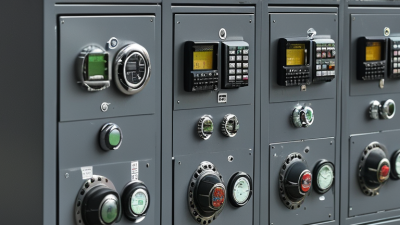
You might think a control cabinet is just a steel box, but in reality, it’s the protector of all the components that keep your production line running smoothly. Inside, you’ve got circuit breakers, drives, relays, terminals—you name it—all working together, despite the heat, dust, vibrations, and electrical noise they face daily. Small design details really matter here. If a cabinet isn’t easy to access, maintenance becomes a nightmare. And poor thermal management? That can cut down the lifespan of your critical parts. So, choosing the right manufacturer isn’t just about grabbing a shell; you want a partner who offers real engineering support, uses quality materials, ensures reliable assembly, and provides clear documentation.

Now, let’s talk about why this really matters in today’s world. Market research shows that industry investment in automation is skyrocketing. For instance, MarketsandMarkets estimates that the global industrial automation market jumped to around USD 206 billion in 2022 and is expected to almost double to about USD 395 billion by 2029. And Deloitte’s 2024 Smart Manufacturing Survey found that a whopping 86% of manufacturers believe smart solutions will become a key part of staying competitive in just a few years. Of course, these are broad trends and don’t guarantee anything for your specific setup. But they definitely set the tone — the industry is demanding more reliable, integrated control systems.

This guide will go over seven key manufacturers of control cabinets, focusing on practical factors like customization options, enclosure protection levels, thermal cooling, certifications, lead times, and after-sales support. Just having a slick website doesn’t mean they’re the right fit. Always ask for technical drawings, material specs, and examples of similar projects they’ve handled. Take your time to review these carefully. Even well-known suppliers aren’t always perfect for every project, and those marketing claims should be checked. The best choice depends on your site’s conditions, how you operate, and what kind of support you’ll need once everything’s up and running.
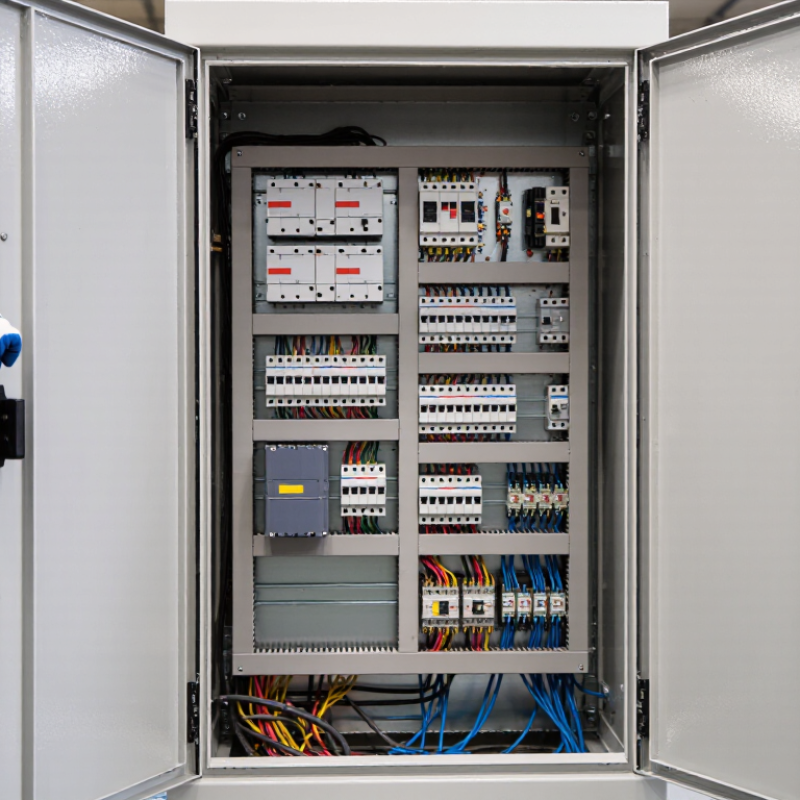
What Are the 7 Best Control Cabinet Manufacturers

What Control Cabinets Are and How They Work

What Are the 7 Best Control Cabinet Manufacturers?

Before comparing manufacturers, understand what a control cabinet does. It is the machine’s protected command center. Inside, breakers, relays, programmable controllers, terminals, and power supplies manage electrical signals. Operators send a start command. The controller processes it, then activates motors, valves, or safety circuits. Clear wiring makes this sequence easier to inspect.

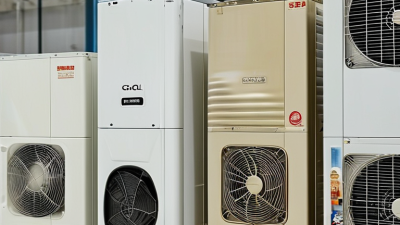
Cabinet performance depends on heat, dust, moisture, and electrical load. A sealed enclosure protects components, but it can also trap heat. Control Cabinet Ac Units remove that heat when passive ventilation cannot cope. According to Grand View Research’s Industrial Automation Market report, the global market reached about USD 211.3 billion in 2023. It also forecasts strong growth through 2030. That expansion increases demand for organized, serviceable control systems. However, bigger demand does not guarantee better engineering. I have seen crowded cabinets delay fault finding by hours. That detail deserves more attention.

Tips: Leave spare terminal capacity and label every wire at both ends. Check ambient temperature, short-circuit ratings, and enclosure protection before selecting components. IEC 61439 provides a useful framework for low-voltage assembly verification. Still, compliance paperwork cannot replace a practical heat test. Measure temperatures during peak operation, not only during commissioning. A small oversight can become a costly shutdown.

Key Factors for Evaluating Control Cabinet Manufacturers

Choosing among the 7 best control cabinet manufacturers starts with how well each one understands your application. A reliable supplier asks about motor loads, operating temperature, dust, moisture, and available floor space before proposing a design. Look for clear drawings, component lists, and documented inspection steps. Specific answers matter.

Check engineering capability, not just enclosure appearance. An Electrical Control Cabinet may need heat calculations, careful cable routing, separation between power and signal wiring, and room for future maintenance. Ask how the manufacturer verifies wiring against the approved schematic. A test record should identify what was checked, such as protective bonding, terminal connections, and functional operation. Details count.

Experience with similar installations can reveal practical judgment. Ask for examples involving comparable voltage levels, process conditions, or production demands, and confirm what support is available after delivery. Response times, spare-part guidance, and troubleshooting documentation can reduce downtime. Inspect workmanship when possible: labels should be readable, wire bends neat, and doors should open without obstructing nearby equipment. Small clues. They are not proof on their own, though, and a polished cabinet can still hide weak documentation. Compare quotations line by line, including testing, packing, delivery, and change handling. I would also ask who approves design revisions; that point is easy to overlook, and sometimes it stays vague.

What Are the 7 Best Control Cabinet Manufacturers? Key Evaluation Factors

Suggested weighting for comparing manufacturers. These percentages are a practical evaluation framework, not independently measured company ratings.

Prioritize standards compliance, engineering capability, and build quality, then adapt the weightings to your project’s technical requirements, operating environment, and budget.

Seven Leading Control Cabinet Manufacturers

Seven Leading Control Cabinet Manufacturers

Choosing among seven leading control cabinet manufacturers means comparing more than enclosure dimensions. Strong candidates include global automation suppliers, enclosure specialists, certified panel builders, regional custom shops, harsh-environment fabricators, modular-system makers, and firms focused on retrofit work. Each serves different needs. A food-processing line may require washdown-resistant surfaces, while a dusty workshop may prioritize sealed cable entries and easy filter replacement. Ask for drawings, component schedules, thermal calculations, and clear documentation of testing.

Industry data helps explain why these details matter. The International Energy Agency’s Electricity 2024 report says global electricity demand grew 2.2% in 2023 and projects average annual growth of 3.4% from 2024 to 2026. More electrified processes increase the importance of dependable distribution and control equipment. Yet market growth alone does not prove a supplier’s quality. Review relevant project experience, traceability of components, wiring workmanship, and support after commissioning. Ask how the manufacturer handles design changes; small revisions can cause real delays.

Inspect a comparable finished cabinet, if possible. Look for clean wire routing, readable labels, accessible terminals, and enough space for maintenance hands. Test documentation matters. So does the response time when a fault appears at night. A polished quotation can still hide weak engineering, and even careful buyers sometimes overlook serviceability. Compare suppliers against the same specification, then verify their claims with references and sample records.

What Are the 7 Best Control Cabinet Manufacturers? — Seven Leading Manufacturer Profiles

Profile Typical Strength Key Selection Checks Relevant Standards Common Applications
Custom industrial integrator Builds cabinets around project-specific electrical schematics, components, and site requirements. Design review process, wiring documentation, inspection records, and support for design changes. IEC 61439; UL 508A where applicable Factory machinery, production lines, and engineered-to-order equipment
High-volume panel builder Focuses on repeatable production, standardized layouts, and consistent assembly processes. Production capacity, configuration control, traceability, and quality-control procedures. IEC 61439; UL 508A where applicable OEM equipment and projects requiring multiple similar cabinets
Outdoor-enclosure specialist Designs cabinet assemblies for exposure to weather, dust, or washdown conditions. Required enclosure rating, material suitability, corrosion protection, and installation environment. IEC 60529; NEMA 250 Utilities, outdoor process equipment, and infrastructure installations
Machine-control cabinet builder Integrates control, protection, and operator-interface components for machinery. Electrical schematics, protective-device coordination, wiring identification, and machine interface requirements. IEC 60204-1; IEC 61439 Packaging, material handling, and industrial machinery
Power-distribution cabinet specialist Assembles distribution systems with attention to current ratings, protection, and heat management. Rated current, prospective short-circuit conditions, protective-device selection, and temperature rise. IEC 61439; UL 508A where applicable Commercial facilities, industrial plants, and power distribution
Process-industry panel builder Provides cabinet assemblies for instrumentation, process control, and demanding plant environments. Environmental conditions, segregation requirements, documentation, and project-specific hazardous-area requirements. IEC 61439; IEC 60529 Water treatment, energy, and process facilities
Regional project-support manufacturer Offers local engineering coordination, installation assistance, and service support. Delivery coverage, applicable local codes, spare-parts availability, and after-sales response. Applicable local regulations; IEC 61439 or UL 508A as required Projects where commissioning and ongoing local support are important

Core Products and Capabilities of Each Manufacturer

Control cabinet manufacturers differ in the systems they build and the engineering support they provide. A custom panel specialist designs cabinets around project drawings, component lists, and site conditions. Its work may include layout planning, wiring, labeling, and factory testing. A standard-enclosure maker focuses on modular boxes, backplates, cooling options, and mounting accessories. This suits repeat installations, though unusual dimensions can limit flexibility.

A process-automation builder integrates programmable controllers, operator screens, drives, and instrument connections.

A motor-control specialist concentrates on starters, variable-frequency drives, protection devices, and grouped motor circuits.

A power-distribution cabinet maker handles incoming supplies, circuit protection, busbars, and metering. These products need careful thermal and fault-current coordination.

Details matter. A machine-tool cabinet supplier may prioritize compact layouts, vibration resistance, and accessible service points. An industrial networking specialist builds cabinets for switches, gateways, and communications equipment, often with attention to cable routing and heat removal.

Compare the seventh type: a systems integrator that combines control hardware, software configuration, documentation, and commissioning support. Capabilities vary widely, so verify drawings, test records, material traceability, and after-sales response before ordering. Ask how the cabinet will be checked under realistic load conditions. A neat door layout looks reassuring, but it cannot prove reliable operation. I would also question optimistic delivery promises; custom engineering often changes the schedule.

How the Manufacturers Compare Across Industries

Choosing among the seven best control cabinet manufacturers depends less on a ranking and more on the conditions each must handle. A cabinet serving a food-processing line may face washdown moisture and frequent cleaning. A unit beside a steel furnace needs to withstand heat, dust, and vibration. Different environments expose different weaknesses.

Manufacturers with industrial automation experience often offer flexible layouts, clear wiring documentation, and enclosures suited to factory-floor use. That matters when technicians need to trace a circuit during a short maintenance window.

For outdoor power installations, corrosion-resistant materials and dependable sealing deserve closer attention. In compact machinery, space is tight. Component access still matters. A neat cabinet that is difficult to service can become an expensive mistake.

Cooling choices also vary by application. A Control Cabinet Air Conditioner may help protect sensitive drives in hot environments, while filtered fans can suit cleaner spaces with lower heat loads. Ask how the manufacturer estimates thermal demand; a rough guess is not enough. Compare testing records, customization support, and the availability of replacement parts, not just the initial quotation. Specifications can look convincing on paper. I would still verify how cable entry, door clearance, and maintenance access work in the actual installation. Some comparisons miss that detail. Industry fit is practical, and sometimes imperfect.

How to Choose a Control Cabinet Manufacturer

Choosing a control cabinet manufacturer starts with the job the cabinet must do. List the installed components, heat load, operating environment, and required protection rating. Then ask how the manufacturer verifies enclosure dimensions, wiring access, and thermal performance before delivery. Grand View Research’s Control Panel Market report estimated the global market at about USD 7.4 billion in 2023, reflecting broad demand across industrial applications. Market growth alone, however, does not prove a supplier can meet your exact specifications.

Request drawings, material details, inspection records, and references from projects with similar conditions. Check whether the team can explain its design choices clearly, respond to engineering changes, and provide support after installation. For hot rooms or tightly packed enclosures, ask how a Control Cabinet Cooling Air Conditioner will be selected and tested against actual heat loads. A polished sample is useful, but it cannot replace evidence from a comparable installation. Some details may still be missed.

Tips: Share a component list and site temperatures early. Ask for a documented heat-load calculation, clear delivery milestones, and a sample inspection plan. Compare quotations line by line, not by price alone.

How to Choose a 300W–1500W Industrial Cabinet Air Conditioner for CNC Machines

Choosing a 300W–1500W cabinet air conditioner for a CNC machine starts with the cabinet’s actual heat load—not the machine’s rated spindle power. Include heat from drives, power supplies, PLCs, and other components, then account for ambient temperature, enclosure size, ventilation, and duty cycle. The U.S. Department of Energy’s *Improving Motor and Drive System Performance: A Sourcebook for Industry* reports that motor-driven systems account for about 54% of U.S. manufacturing electricity use, underscoring how much electrical equipment can contribute to industrial energy demand. For sizing, compare the unit’s rated cooling capacity under conditions close to your plant’s operating environment, and allow a suitable margin for peak loads.

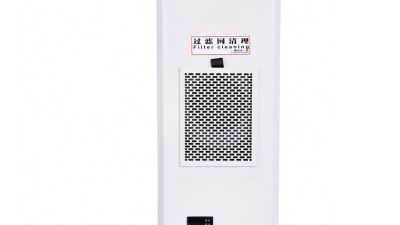
For smaller or lower-heat cabinets, 300W or 400W models may be appropriate; 600W and 800W units suit higher loads, while 1500W can serve demanding applications when the heat calculation supports it. Our range uses R134a refrigerant and reliable compressors, with IP33/IP34 protection, low-noise operation, and energy-efficient cooling. These units are designed for electrical and PLC control cabinets, automation equipment, and CNC machine tools, helping maintain stable conditions for sensitive electronics.

Before ordering, confirm mounting space, airflow clearance, power supply, ambient temperature range, and whether the cabinet needs side-, door-, or other installation. Multiple installation methods and customization options can match different CNC layouts and operating requirements. Select protection and cooling capacity for the actual environment, especially where dust, moisture, or continuous operation may affect performance.

FAQS

What should I compare when choosing a control cabinet manufacturer?

Compare engineering experience, component traceability, wiring quality, testing records, and support after commissioning. Cabinet dimensions are only part of the decision.

Which cabinet type suits a food-processing line?

Look for washdown-resistant surfaces and suitable cable entries. Ask the supplier to show how the design handles cleaning and moisture.

What details matter in a dusty workshop?

Check sealing around cable entries and access for filter replacement. A practical cabinet should be easy to maintain.

What products do custom panel specialists provide?

They design and wire cabinets around project drawings, component lists, and site conditions. Services may include labeling, layout planning, and factory testing.

How do process-automation and motor-control cabinets differ?

Process-automation cabinets may integrate controllers, operator screens, drives, and instrument connections. Motor-control cabinets focus on starters, drives, protection devices, and motor circuits.

What should I check in a power-distribution cabinet?

Review incoming supply arrangements, circuit protection, busbars, metering, and thermal coordination. Ask for relevant design calculations.

How can I assess a finished cabinet?

Look for tidy wire routing, readable labels, accessible terminals, and enough room for maintenance. Small details count.

Does a polished quotation prove a supplier is reliable?

No. Request drawings, test records, references, and traceable material details. A neat door layout alone proves little.

Why ask about realistic load testing and delivery schedules?

Load checks help show how the cabinet performs under expected conditions. Custom changes can delay delivery, so optimistic dates deserve a closer look.

Conclusion

This article explains what a Control Cabinet is, how it organizes and protects electrical components, and how it supports the safe, reliable operation of industrial equipment. It outlines the key factors to consider when evaluating manufacturers, including engineering expertise, product quality, customization, certifications, technical support, and delivery capabilities.

The article also compares seven leading manufacturers by their core products, capabilities, and suitability for different industries, highlighting how their strengths may vary across applications and project requirements. It concludes with practical guidance for choosing a manufacturer, encouraging readers to assess system needs, operating conditions, budget, and long-term service expectations before making a decision.
Sophia

Sophia

Sophia is a dedicated marketing professional at a leading manufacturing enterprise specializing in sheet metal cabinets and related products. With a strong focus on research and development, production, and sales, she plays a crucial role in bridging the gap between innovative solutions and the......
Previous How to Choose Electronic Housings in 2026?