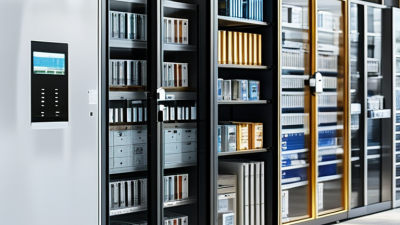
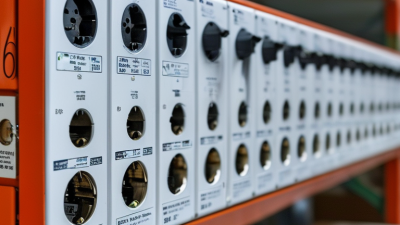
Whenever you're diving into industrial automation, picking the right Control Cabinet really matters. I mean, it might sound straightforward, but it’s pretty crucial. As expert John Smith from Tech Solutions puts it, “A Control Cabinet isn’t just a box — it’s basically the beating heart of your electrical system.” That kind of hits home, right? It highlights just how important it is to choose carefully.
Control Cabinets are basically the homes for all your electrical parts, and they do a good job shielding everything from dust, moisture, and other environmental stuff. But here's the thing—if you pick a cabinet that doesn’t match your needs, you could run into all kinds of trouble, like system failures or costly downtime. So, paying attention to specs like size, material, and cooling isn’t just nerd stuff — it’s essential. Every project has its own quirks, so you’ve gotta consider those carefully.
Honestly, a lot of folks rush into buying a Control Cabinet without really thinking it through. They skip this step or don’t properly assess what they need, which often ends up causing more hassle later on. Taking your time, weighing your options, and understanding what truly fits your application — that’s what makes all the difference. A good control cabinet isn’t just a box; it’s a key part of your project’s success. So yeah, don’t rush — make smart choices from the get-go.
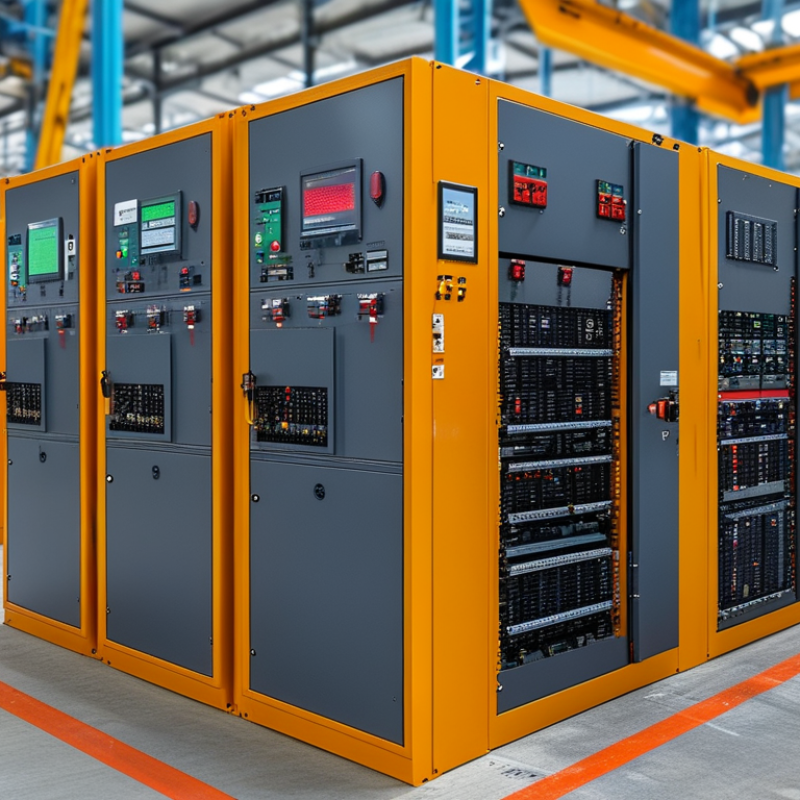
Understanding Control Cabinets: Definition and Purpose
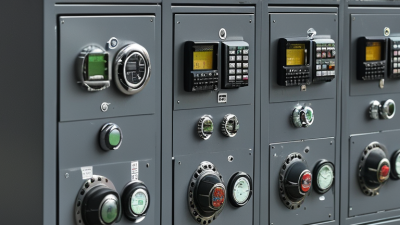
Control cabinets play a crucial role in modern industrial environments. They house electrical components and manage power distribution, ensuring safe operations. By protecting sensitive gear, control cabinets enhance system reliability. Understanding their purpose aids in selecting the right type for your needs.
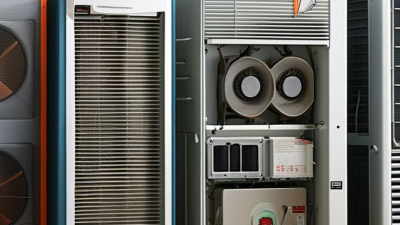
Control Cabinet Ac Units are essential for maintaining optimal temperatures. Heat can affect equipment performance and lifespan. Proper ventilation and cooling ensure that components function effectively. When choosing a cabinet, consider the environment and the heat generated by equipment inside.
While many overlook the importance of size, it significantly impacts efficiency. A poorly sized cabinet can lead to overheating or underutilization of space. Always assess your current and future needs. Balancing size and functionality is key for optimal performance and reliability. This reflection can enhance decision-making.
Key Features to Look for When Buying Control Cabinets
When considering control cabinets, key features can significantly impact performance. Look for robust construction materials. Steel or aluminum cabinets offer strength and resistance to environmental factors. A 2023 report shows that cabinets made from high-quality metals reduce damage risk by 30% compared to lower-grade options.
Another essential aspect is space optimization. Control cabinets should provide enough room for components without overcrowding. Industry standards recommend leaving at least 20% extra space. This ensures proper airflow and simplifies maintenance tasks. Additionally, cabinets with modular designs offer flexibility for future upgrades.
Cable management is also crucial. Poor management can lead to overheating and safety hazards. Reports indicate that well-organized cable systems reduce failures by 25%. Opt for cabinets with built-in cable trays and management features. These little details can enhance reliability and longevity.
Reflecting on these necessities, buyers need to balance price and quality. It’s tempting to choose cheaper options, but long-term performance matters. Inadequate cabinets can lead to unexpected costs. Therefore, weigh the pros and cons carefully before making a decision.
2026 Best Control Cabinet Buying Guide for Global Buyers
| Feature |
Description |
Importance |
Recommended Standards |
| Material |
The type of material used impacts durability and corrosion resistance. |
High |
IEC 61439 |
| Ingress Protection Rating (IP) |
Indicates the level of protection against dust and water. |
Critical |
IP66 or higher |
| Size and Dimensions |
The internal and external dimensions should suit installation needs. |
Moderate |
N/A |
| Cooling Options |
Ventilation features to manage temperature and humidity. |
High |
N/A |
| Accessibility |
Ease of access for maintenance and inspections. |
Moderate |
N/A |
Types of Control Cabinets: Selecting the Right One for Your Needs
When selecting a control cabinet, understanding its types is crucial. Control cabinets are essential in housing electrical components and protecting them from environmental factors. According to market research, over 50% of factories indicate a preference for custom Electrical Control Cabinets. This trend shows a growing need for tailored solutions in various industries.
There are several types of control cabinets, including wall-mounted, freestanding, and outdoor cabinets. Wall-mounted cabinets are popular for limited space, while freestanding models offer more versatility. Outdoor cabinets provide additional protection from weather, sustaining up to IP67 ratings. However, many users overlook nuances such as heat dissipation and cable management. Neglecting these factors can lead to inefficiencies and increased operational costs.
Moreover, the choice of material is also significant. Steel cabinets are durable but heavier, while aluminum cabinets are lighter and resistant to corrosion. Understanding these materials can enhance decision-making. Furthermore, a recent report highlighted that poorly designed cabinets can lead to failures in 15% of installations. This statistic underscores the importance of careful selection and design to meet both functional and environmental needs effectively.
Material Considerations for Durability and Performance
When selecting control cabinets, material choice plays a crucial role in durability and performance. A robust cabinet can withstand harsh environments, temperature variations, and humidity. Steel is a common choice for its strength and resistance to impact. Aluminum, though lighter, offers excellent corrosion resistance. Consider the application when choosing the material.
Tips: Assess your environment. If your cabinet will face moisture, opt for materials with rust-resistant coatings. For outdoor applications, ensure the material can resist UV rays.
Plastics are another option, lighter and often more affordable. However, they may lack the strength of metal. It's essential to evaluate load requirements. Some plastics may warp under high-stress conditions, impacting their effectiveness.
Tips: Always test materials in real conditions. Don’t solely rely on specifications. User experiences can reveal hidden weaknesses in various materials. This reflection can guide you toward a more informed choice.
Compliance Standards for Control Cabinets Globally
When purchasing control cabinets, compliance with global standards is essential. Different countries have various regulations affecting design and functionality. For instance, the IEC (International Electrotechnical Commission) standards are widely recognized in Europe, while UL (Underwriters Laboratories) sets expectations in North America. Ignoring these compliance measures can lead to significant penalties or product recalls.
Control cabinets must meet specific thermal management requirements. Installing a Control Cabinet Air Conditioner can help maintain optimal operating temperatures, ultimately extending equipment life. A report by MarketsandMarkets indicates that the global market for industrial cooling solutions is expected to grow at a CAGR of 8.2% between 2021 and 2026. Properly maintaining temperature control contributes to safer operations and increased equipment reliability.
Tips: Always verify certifications before purchasing. Compliance isn’t just documentation; it ensures safety. Assessing your local regulations and adapting designs accordingly can prevent future setbacks. Remember that unforeseen challenges can arise, requiring manufacturers to adjust their compliance strategies. Ensuring ongoing training for staff involved in cabinet assembly can foster a culture of compliance and operational excellence.
Tips for Choosing the Right Supplier or Manufacturer
When selecting a supplier for control cabinets, experience matters. Look for manufacturers with a proven track record. Their established processes can ensure higher quality. Check for industry certifications; these can indicate reliability. A well-rated supplier usually maintains good customer service. Communication is vital. You want a partner who listens to your needs.
Evaluate the supplier's product range. Diverse options allow for customization. You may require specific features, like a Control Cabinet Cooling Air Conditioner. Suppliers with focus on innovation can offer modern solutions. Research their materials and manufacturing methods. Transparency reveals their commitment to quality.
Consider customer reviews. These insights can highlight strengths and weaknesses of the supplier. Not all suppliers will meet your expectations. Be aware that price alone shouldn’t guide your choice. Sometimes, cheaper options lead to long-term issues. Trust your instincts; experience can help identify red flags.
Budgeting and Pricing: What to Expect in Your Purchase
When budgeting for a control cabinet, understanding pricing trends is crucial. Industry reports indicate that prices can vary significantly based on customization and materials used. For example, the average cost of a standard cabinet ranges from $500 to $2,000. Specialized cabinets, meant for harsh environments, may cost even more.
Components such as breakers, wiring, and cooling systems can add 20-30% to the base price. Buyers should assess their specific needs carefully. Overlooking essential specifications could lead to unexpected costs. Research indicates that 40% of buyers did not account for installation expenses, which can surge their overall budget.
Many manufacturers provide detailed pricing guides. However, not all are transparent with their costs. Some may offer low initial quotes that exclude crucial features. It’s essential to request comprehensive quotes. Engaging with industry experts can shed light on hidden costs. Reliable sources highlight frequent pricing fluctuations due to supply chain dynamics. Monitoring these trends can aid in making informed purchasing decisions.
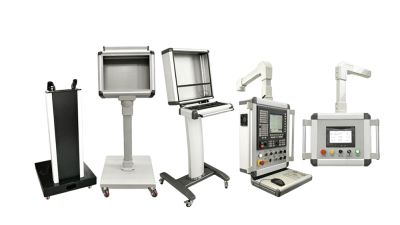
Innovative Solutions for Industrial Applications: Rittal-Style Aluminum Cantilever Enclosure & Arm System Insights
The innovative Rittal-style aluminum cantilever enclosure is specifically designed to meet the rigorous demands of industrial applications. Constructed from high-strength aluminum alloy, this enclosure offers exceptional durability and robust protection for critical components such as HMIs, control panels, and machinery operation interfaces. Its IP54 rating ensures that it is well-suited for challenging environments, shielding internal systems from dust and water exposure.
One of the standout features of this enclosure is its heavy-duty swing arm and support arm system. This modular structure allows for easy installation and flexible positioning, enabling users to adjust the enclosure to achieve the most ergonomic viewing and operating angles. Operators can effortlessly reposition the enclosure to enhance accessibility, optimizing their workflow and improving operational efficiency. The design’s compatibility with standard mounting dimensions ensures seamless integration with existing systems, making it an ideal choice for varied industrial settings.
FAQS
: Control cabinets house electrical components and manage power distribution. They ensure safe operations in industrial settings.
Optimal temperatures protect equipment performance and lifespan. Cooling systems help maintain effective functioning.
A poorly sized cabinet can cause overheating or wasted space. Balancing size with functionality is crucial for reliability.
Compliance with local standards is essential. Different regions have specific regulations that affect cabinet design and functionality.
The base price ranges from $500 to $2,000, with additional components adding 20-30%. Installation costs can be significant too.
Valid certifications ensure safety and compliance. Ignoring them can lead to serious penalties or recalls.
Buyers often overlook essential specifications and installation expenses, leading to budget overruns.
Customization, materials used, and supply chain dynamics heavily affect pricing. Monitoring these trends is advisable.
Request comprehensive quotes and engage with industry experts. Some quotes may lack crucial features.
Training fosters a culture of compliance. It helps staff adapt to unforeseen challenges in cabinet assembly.
Conclusion
When purchasing a Control Cabinet, it's essential to understand its definition and purpose, as these elements are critical to ensuring the cabinet serves its intended function effectively. Key features, such as size, configuration, and accessibility, should be prioritized to match your specific requirements. Additionally, selecting the right type of Control Cabinet is vital; options may vary based on application, environment, and available space.
Material considerations play a significant role in the durability and performance of Control Cabinets. It's crucial to ensure that the cabinet complies with global standards to guarantee safety and reliability. Furthermore, when choosing a supplier or manufacturer, look for credentials and customer reviews to ensure quality service. Lastly, budgeting for your Control Cabinet purchase requires an understanding of pricing trends in the market to make an informed decision while staying within your financial plans.