Inquiry
Form loading...
0%

Picking the right Explosion Proof Box isn’t just about comparing prices or looking at glossy product photos. You really need to dig a bit deeper. Things like certifications, what material it's made of, how well it keeps out dust and moisture, temperature limits, how the cables get in, and how easy it is to service—the details matter. If you’re installing a box next to a chemical pump, it’s facing vibration, humidity, heat, and potentially corrosive vapors—so those small things become pretty important, you know?

Trevor Kletz, a well-respected guy in process safety, once said, “If you think safety is expensive, try ignorance.” Honestly, that quote still hits home today, especially when you’re looking at explosion proof enclosures for stuff like oil and gas plants, pharma facilities, grain mills, or industrial workshops. The right enclosure should safeguard the internal parts and cut down on the risk of sparks or ignition in hazardous spots. And don’t forget—make sure the product checks all the right certification boxes like IECEx, ATEX, UL, or whatever applies locally. Certifications aren’t all the same everywhere, so local approval is still a big deal.

This guide looks at ten different Explosion Proof Boxes to help global buyers out. We’ve considered real-world concerns like choosing between stainless steel or aluminum, gasket durability, door hinges strength, space for wiring, and how easy it is to replace parts later on. Brands like R. STAHL, Eaton, Pepperl+Fuchs, and Hubbell all have their own takes, but honestly, no one-size-fits-all solution exists—that’s the tricky part.

Now, some specs might sound impressive at first glance, but they don’t tell you much about what it takes to keep things running smoothly long-term. Sometimes, a lower-priced option means less documentation or a more complicated installation process. So, before buying, always ask for certificates, drawings, test reports, and clear operating limits. We might overlook a detail in a quick comparison, especially as standards and regulations keep evolving in different regions. So, consider this guide a solid starting point, not your final authority. The best choice is always the one that matches your environment, installation setup, and verified compliance standards—that’s the safest bet.
10 Best Explosion Proof Box Options for Global Buyers?

What Is an Explosion Proof Box and How Does It Work?

What Is an Explosion Proof Box and How Does It Work?

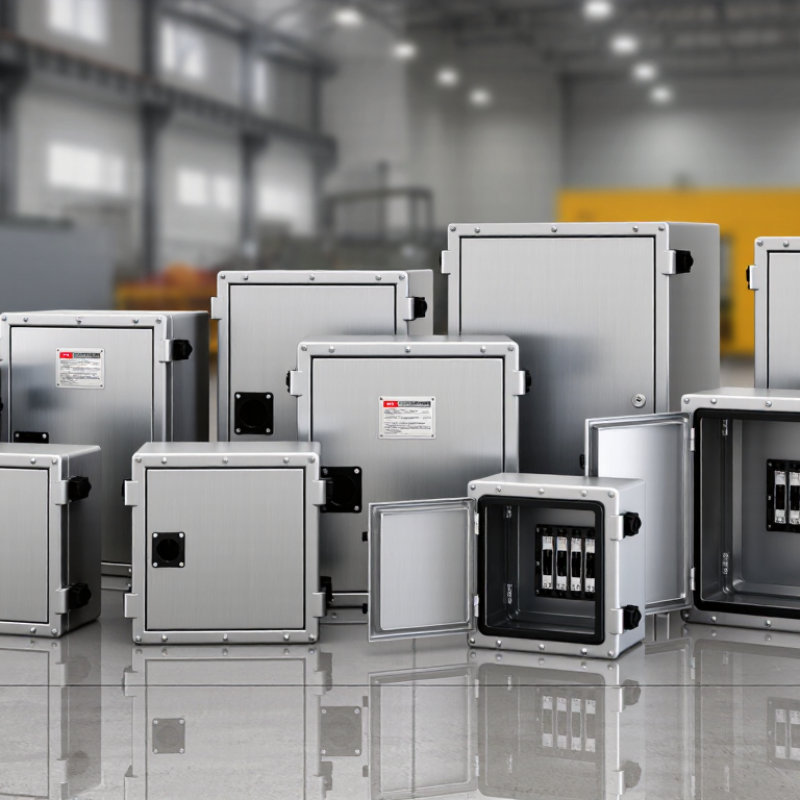
An explosion proof box is a protective enclosure for electrical equipment in hazardous areas. It does not stop an internal explosion from happening. Instead, it contains the ignition and limits flame escape through carefully engineered joints. Strong metal walls, threaded covers, and certified cable entries help protect nearby gas, vapor, or dust from ignition.

Inside, terminals, switches, sensors, or control devices may produce heat or sparks. The enclosure controls these risks by resisting pressure and cooling escaping gases. Its design also reduces the chance of flames reaching the surrounding atmosphere. However, a box is not automatically safe because it looks heavy. Certification, temperature rating, enclosure size, and approved cable glands must match the installation. A common mistake is checking only the IP rating. IP protection mainly addresses dust and water, not explosion containment.

Tips: Confirm the hazardous-area classification before purchase. Check gas or dust group, temperature class, ambient temperature, and maximum internal heat. Inspect threads and seals during maintenance. Damaged surfaces can weaken flame paths. Field technicians often notice another issue: oversized internal components create excessive heat. That detail is easy to miss. Local certification rules also vary, so qualified engineers should review the complete installation. Even experienced teams can overlook a small cable-entry mismatch.

Which Explosion Proof Standards Apply in Different Global Markets?

Explosion proof box requirements change with the market, hazardous zone, gas group, and temperature class. A box suitable for a chemical plant may fail approval elsewhere.

In Europe, equipment usually follows the ATEX Directive and harmonized EN 60079 standards. The European zone system covers gases, vapors, dust, and mining risks. The United Kingdom applies its own Ex regulations and designated standards. Certification documents should match the installation location, not just the product description.

North American projects commonly use the NEC and CEC systems. They classify hazardous areas by Classes, Divisions, or Zones, depending on the project design. Enclosures may require testing to recognized product standards, such as those covering explosion-proof construction. Canada can apply additional certification rules through local approval bodies. Check the electrical authority early.

Other markets often reference the IEC 60079 series. IECEx certification is widely accepted, but local registration may still be required. Australia and New Zealand commonly use AS/NZS 60079 standards. China may require GB/T 3836 compliance and market-specific certification. Middle Eastern projects often accept IECEx or ATEX, subject to local authorities and oil-and-gas specifications.

A practical detail matters: verify cable entries, thread types, gasket materials, and grounding points before shipment. I have seen technically correct enclosures delayed because the cable glands were wrong. Certification is not installation approval. That distinction is easy to overlook. Always confirm the latest national rules with a qualified engineer or certification authority.

How to Compare the 10 Best Explosion Proof Box Options

Comparing the 10 best explosion proof box options requires more than checking price and enclosure size. Start with the hazardous-area classification, gas or dust group, temperature class, and required protection method. IEC 60079-0 and IEC 60079-1 provide essential requirements for construction and flameproof protection. A suitable Explosion Proof Junction Box should also match local certification needs, such as IECEx or ATEX, where applicable.

Build a comparison sheet for all ten options. Record enclosure material, IP rating, cable-entry range, terminal capacity, ambient temperature, and maintenance access. Stainless steel suits corrosive coastal or chemical areas, while coated aluminum can reduce weight. Look closely at the gasket and fasteners. Small weaknesses become expensive problems.

Fortune Business Insights estimated the global explosion-proof equipment market at about USD 8.51 billion in 2023, with continued growth expected through 2030. That growth increases choice, but not necessarily quality.

Field experience shows that cable glands often decide installation success. Check thread type, sealing range, and spare capacity before ordering. Review temperature data beside the site’s highest operating temperature, not the average. Also compare inspection time and replacement-part availability across regions.

My first comparison focused too heavily on certification. I missed torque access and internal wiring space. That was a practical mistake. A lower purchase price may create longer installation work, especially when technicians need special tools or imported parts.

Use test certificates, dimensional drawings, and traceable inspection records before approving any option.

What Materials and Enclosure Designs Improve Safety and Durability?

An Explosion Proof Electrical Box needs more than a strong outer shell. Its material and enclosure design must control heat, sparks, moisture, and mechanical impact. Stainless steel, especially 316L, resists salt spray, cleaning chemicals, and outdoor corrosion. It suits coastal plants and humid processing areas. Aluminum alloy is lighter and easier to install. However, it may need protective treatment in aggressive environments. Glass-reinforced polyester offers good corrosion resistance and electrical insulation. It can become brittle after prolonged ultraviolet exposure, so buyers should verify its outdoor rating.

Small gaps matter. A properly machined flame path can limit the escape of internal ignition energy. Threaded covers, bolted joints, and accurately fitted lids improve enclosure integrity. Compression gaskets help block dust and water, but they require suitable temperature and chemical resistance. An IP66 or IP67 rating supports demanding conditions, yet it does not replace hazardous-area certification. Check the required protection method, temperature class, and cable entry requirements for the installation region.

Good designs also manage heat. Thick walls improve durability, while internal spacing prevents terminals from crowding and overheating. Drainage features can reduce condensation, but poorly positioned drains may weaken protection. That choice is imperfect. During inspections, technicians should check gasket compression, cover threads, corrosion, and cable gland tightness. A box that looks intact may still have damaged sealing surfaces. Practical installation records and material traceability make maintenance decisions more reliable.

How Do Size, Cable Entry, and Mounting Options Affect Selection?

Choosing the right Explosion Proof Enclosure starts with its working environment, not its appearance. Measure the internal space carefully, including terminals, bends, and future wiring. A box that looks generous may become crowded after cable glands are installed. Crowding can increase heat and complicate inspection.

Cable entry deserves equal attention. Count every power, signal, and grounding cable before ordering. Select entries that match cable diameter, sealing needs, and the enclosure’s certified design. Unused openings require suitable plugs, not improvised covers. Small details matter. A poorly matched gland can weaken protection against dust or moisture. In humid areas, drainage and corrosion resistance also deserve review.

Mounting options influence service life and maintenance. Wall brackets suit fixed installations, while pole or skid mounts may better serve remote equipment. Check the surface strength, vibration level, and access for tools. Door clearance is often overlooked. A cabinet may fit on paper but fail when the door meets a pipe or handrail. I would also question whether a larger enclosure is truly better; extra volume can increase cost, weight, and heat management demands. Certification, temperature limits, ingress ratings, and regional requirements should be verified with qualified professionals before purchase. Field conditions are rarely perfect, so leave practical room for cable movement and future inspection.

Which Explosion Proof Box Features Suit Different Industrial Environments?

Choosing an explosion proof box starts with the atmosphere, not the product photograph. A grain-processing room may contain combustible dust, while a solvent area presents vapor risks. The box needs a certified protection method suited to that hazard class. Check gas or dust group, temperature class, ambient temperature, and installation zone. These details are easy to overlook. They should not be.

For outdoor chemical sites, a corrosion-resistant enclosure, sealed cable glands, and suitable ingress protection help prevent moisture and chemical damage. A coastal plant may need marine-grade hardware and drainage control. In cold storage, verify gasket flexibility and operating temperature. In hot areas, inspect heat dissipation and internal component limits. Transparent inspection windows can reduce opening frequency, but they must preserve the enclosure’s protection rating. An oversized box is not automatically safer. Poor cable routing can still create a weak point.

Maintenance access matters in dusty factories. Hinges, fasteners, terminals, and grounding points should remain usable with gloves. Fit matters. Select certified accessories together with the box, rather than mixing parts casually. Local approval requirements may differ, even for similar hazards. Ask for test reports, marking details, installation instructions, and traceable material information. One practical lesson is uncomfortable: a well-built enclosure can fail when installation discipline is weak.

How Can Global Buyers Verify Quality, Certification, and Supplier Reliability?

Global buyers should verify Explosion Proof Boxes Electrical through documents, not polished photographs. The IECEx online certificate system allows buyers to check certificate numbers, equipment markings, and certified protection concepts. Compare every marking with the quotation, including gas or dust group, temperature class, ambient range, and ingress rating.

Small discrepancies matter.

The International Labour Organization reported 2.93 million work-related deaths in 2019. That figure reinforces why certification cannot be treated as paperwork. Ask for the latest test reports, declaration of conformity, material specifications, and routine inspection records. A box may look strong while its cable entries, hinges, or gasket fail under heat and dust.

Supplier reliability needs evidence. Request production photos showing serial-number plates, enclosure machining, grounding points, and gasket compression. Review an independent factory audit, calibration certificates, corrective-action records, and sample-testing procedures. ISO’s Survey of Certifications provides useful context: quality-system certification is widespread, but certification alone does not prove product performance. I would also check whether the supplier can explain a failed test without evasive language. That conversation is revealing.

Before ordering ten options, test one unit under the intended cable layout and mounting position. Confirm wall thickness, closure torque, terminal spacing, and temperature rise. Some buyers, including experienced teams, overlook installation conditions. That is worth reconsidering. Ask for spare-gasket availability and documented change control. A silent component substitution can weaken an otherwise valid certification.

Heavy-Duty Cantilever Control Boxes for HMI: Insights from IFR and MarketsandMarkets Reports

Industrial automation is placing greater demands on human–machine interface (HMI) equipment, particularly in machine tools, production lines, and equipment-monitoring stations. The International Federation of Robotics (IFR) reported that more than 541,000 industrial robots were installed worldwide in 2023, while the global operational stock exceeded 4 million units. As automated systems become denser and more connected, operators need control stations that provide clear access, ergonomic positioning, and dependable protection in demanding factory environments.

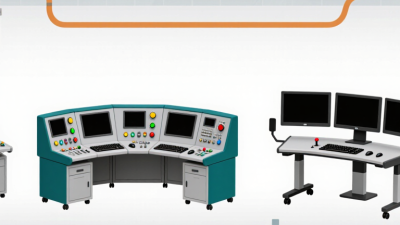
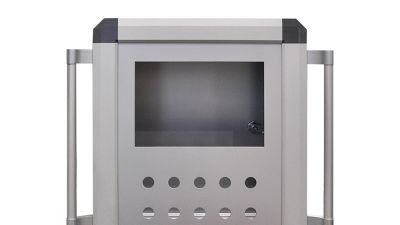
A heavy-duty cantilever control box addresses these requirements with a structure made from high-strength aluminum alloy profiles and die-cast components. Its adjustable cantilever supports flexible placement of HMI panels, PLC interfaces, touch screens, and control buttons, helping operators maintain comfortable working positions around large equipment. MarketsandMarkets identifies industrial automation as a continuing growth sector, driven by smart manufacturing, connected machinery, and the wider adoption of industrial control technologies. These trends increase the importance of adaptable enclosures that can accommodate evolving control layouts.

Available in multiple series specifications, this control box provides IP65 protection against dust and water jets for suitable industrial applications. Internal wiring space, flexible installation options, and customizable dimensions simplify integration with different machines and global engineering requirements. Its robust construction supports reliable operation where vibration, frequent use, and challenging environmental conditions are part of daily production.

FAQS

What is an explosion proof box?

It is a protective enclosure for electrical equipment in hazardous areas. It contains internal ignition and limits flame escape. It does not prevent every internal explosion. Strong walls, threaded covers, and certified cable entries are essential.

How does the enclosure reduce ignition risks?

Internal switches, terminals, and sensors may create sparks or heat. The enclosure contains pressure and cools escaping gases. Carefully designed joints reduce flame movement toward nearby gas, vapor, or dust. Small gaps matter.

Is a heavy-looking box automatically safe?

No. Safety depends on certification, temperature rating, enclosure size, and approved cable entries. A heavy box can still be unsuitable. Appearance proves very little.

Does an IP rating confirm explosion protection?

No. IP ratings mainly address dust and water resistance. They do not confirm explosion containment. Check the hazardous-area classification and the enclosure’s complete certification.

How should the correct enclosure size be selected?

Measure terminals, cable bends, and planned future wiring. Include space used by cable glands. Crowded components can increase heat and obstruct inspection. Bigger is not always better.

Why are cable entries important?

Count power, signal, and grounding cables before ordering. Match each entry to the cable diameter and sealing requirements. Unused openings need suitable certified plugs. Improvised covers can weaken protection.

Which mounting details deserve attention?

Review wall strength, vibration, door clearance, and tool access. Wall brackets suit fixed installations. Pole or skid mounts may help remote equipment. A cabinet can fit on paper but hit a pipe when opened.

What should maintenance teams inspect?

Inspect threads, seals, cable entries, and enclosure surfaces. Look for dents, corrosion, and damaged flame paths. Check internal heat from oversized components. Even experienced teams miss small mismatches sometimes. That deserves reflection.

Which conditions should professionals verify before purchase?

Confirm the gas or dust group, temperature class, ambient temperature, and internal heat. Review ingress protection, certification, and regional requirements. Qualified engineers should assess the complete installation. Field conditions are rarely perfect.

Conclusion

Choosing the right Explosion Proof Box is essential for protecting electrical connections and equipment in hazardous industrial environments. This guide explains how these enclosures contain internal sparks or heat and reduce the risk of ignition around flammable gases, vapors, or dust. It also reviews the certification systems and protection standards commonly used in different global markets, helping buyers understand why regional compliance matters. A practical comparison of ten leading option types considers enclosure materials, sealing methods, corrosion resistance, impact protection, and thermal performance.

The guide also shows how box dimensions, cable entry arrangements, mounting methods, and access requirements influence installation and maintenance. Different environments may require specialized features such as high ingress protection, chemical resistance, reinforced construction, or temperature-rated components. Finally, global buyers will learn how to verify test documentation, certification validity, manufacturing consistency, inspection procedures, warranty terms, and supplier reliability before making a purchase. By evaluating both technical performance and sourcing transparency, buyers can select a safe, durable, and application-appropriate solution.
Amara

Amara

Amara is a dedicated marketing professional at a leading manufacturing enterprise specializing in the integration of research and development, production, and sales within the electrical equipment industry. With a strong focus on creating high-quality, customized, and reliable sheet metal cabinets,......
Previous Why Choose a Weatherproof Junction Box?