Picking the right wholesale junction box can actually be quite a headache. There are so many types and specs out there, it’s easy to get overwhelmed. And let’s be honest—just because a junction box seems suitable doesn’t mean it’s the perfect fit for your project. Knowing exactly what you need is super important.
When you’re choosing a junction box, don’t forget to think about the material and design. The quality can really vary from one manufacturer to another. Big names like Hager tend to be more dependable, though they might be a bit pricier. Make sure the box you pick is appropriate for your specific purpose—whether it’s for electrical wiring, industrial stuff, or outdoor use.
Also, don’t just go for the lowest price without some research. It’s wise to check out reviews and get a feel for the company’s reputation. A reliable supplier will usually offer some kind of tech support or advice, which can be a lifesaver. Picking a trustworthy supplier can seriously impact how smoothly your project goes. So, don’t overlook these little details—they matter big time when you're trying to find the right junction box.
Understanding the Purpose of Junction Boxes in Electrical Systems
Junction boxes are essential components in electrical systems, serving as protective enclosures for electrical connections. They help safeguard wires and connections from environmental factors. Understanding their purpose is crucial for making informed choices when selecting wholesale junction boxes.
One important aspect is the material of the junction box. Options vary from plastic to metal. Each material serves different environments. For instance, plastic is lightweight and corrosion-resistant, while metal provides better durability. Choose based on where the box will be installed.
Tips: Always ensure the junction box meets safety standards. Consider the size and volume of wiring. A box too small can lead to overheating. Check your local codes to confirm compliance. Inspect the sealing mechanism; it prevents moisture ingress, which is crucial in outdoor settings.
Not all junction boxes are created equal. It’s easy to overlook the importance of proper installation. A poorly installed box can lead to malfunctions or hazards. Regular inspections help identify potential issues early. Evaluate the layout of your electrical system to determine the right placement for each junction box.
Key Features to Consider When Selecting a Wholesale Junction Box
When choosing a wholesale junction box, several key features should influence your decision.
Material is crucial. Options typically include plastic and metal, which each have unique advantages.
For example, plastic boxes are lightweight and corrosion-resistant, perfect for less harsh environments.
Metal boxes, while heavier, offer superior durability and better protection against electromagnetic interference.
Another important factor is the ingress protection (IP) rating. This rating indicates how well the box resists dust and water.
An IP65 rating, for instance, ensures that the junction box is dust-tight and protected against water jets.
According to a recent industry report, products with higher IP ratings tend to outperform in longevity and user satisfaction.
Consider the number of entries and exits required for your specific application. Proper assessments can reveal common pitfalls.
For instance, choosing a box with insufficient entry points may lead to complex installations.
The size of the junction box matters too; a box that is too small can lead to overcrowding and heat issues.
Tip: Always verify certifications and compliance with industry standards.
This ensures reliability and safety. Manufacturers often provide documentation that can be essential for audits.
Additionally, consider future needs. Anticipating growth can save costs and time in the long run.
Materials and Durability: What to Look for in Junction Boxes
When selecting a wholesale China junction box, materials and durability are key factors. The choice of materials directly impacts the box's longevity and performance. Common options include plastic and metal. Plastic junction boxes are lightweight and resistant to corrosion. They are suitable for indoor use. However, they may not withstand harsh environmental conditions. Metal boxes are sturdier and provide superior protection. They can endure extreme temperatures and are often used outdoors.
Durability is another crucial aspect to consider. Look for junction boxes with high IP ratings. An IP rating indicates the level of protection against dust and moisture. A higher rating means better durability. Additionally, consider the thickness of the box's walls. Thicker walls generally offer better protection. It's essential to assess how the box will be used. Will it face vibration, impact, or exposure to chemicals? Each factor plays a role in determining the best junction box for your needs.
Not all junction boxes are created equal. Some might perform well in one environment but fail in another. Understanding your specific requirements is vital. Take time to research and evaluate options. This process may reveal gaps in the available products. Be open to reassessing your choices to find the right balance between cost and quality. Quality Junction Boxes can make a significant difference in your installations.
Durability Ratings of Different Junction Box Materials
This chart displays the durability ratings of various materials commonly used in junction boxes. It helps in choosing the best wholesale China junction box based on material strength and resilience.
Sizing Your Junction Box: How to Determine the Right Dimensions
When sizing your Junction Box,
accurate dimensions are crucial. A poorly sized junction box can lead to overheating or inadequate space for wiring.
According to industry reports, the National Electrical Code (NEC) provides clear guidelines on box sizing based on wire fill capacity.
For instance, a box must accommodate at least 2 cubic inches per wire. This ensures safe and efficient electrical connections.
Consider your specific project needs. Measure the number of conductors that will enter the box. Each entry adds to the required volume.
Furthermore, if you use larger gauge wires, ensure your junction box can handle the increased space needed.
Many professionals recommend leaving extra space to allow future wiring modifications. This foresight can save time and resources later.
Many overlook the importance of material choices in conjunction with size. For example, plastic junction boxes are lightweight but may not hold up under certain conditions.
Metal boxes provide sturdiness but require careful sizing to prevent overheating. Balancing size with material is often challenging yet essential for safe installations.
Always think critically about your selections.
Comparing Different Types of Junction Boxes for Various Applications
When selecting a junction box for specific applications, understanding the variations is crucial. Junction boxes come in various types including plastic, metal, and fiberglass, each offering unique advantages. A report by MarketsandMarkets indicates the global junction box market is projected to reach $XX billion by 2025, reflecting their integral role in electrical installations.
Plastic junction boxes are lightweight and resistant to corrosion, making them ideal for outdoor use. Metal junction boxes provide superior protection against impact, making them suitable for industrial applications. Fiberglass options offer both durability and chemical resistance, which is beneficial in harsh environments. Understanding these distinctions can greatly influence your decision.
Tip: Consider the environmental conditions where the junction box will be installed. This will ensure longevity and effectiveness.
Additionally, it’s important to recognize potential shortcomings. For instance, while plastic boxes are cost-effective, they may not withstand high temperatures. On the other hand, metal boxes can pose grounding challenges if not properly treated. Feedback from field professionals often highlights these operational issues.
Tip: Always review product specifications and installation guidelines to avoid future complications in your projects.
Evaluating Suppliers: How to Choose a Reliable Wholesale Partner
When selecting a wholesale supplier for junction boxes, reliability is key. Focus on suppliers who have a strong track record. Look for reviews and testimonials online. This can provide insight into their service quality. A reliable partner should also offer clear communication. This ensures that your inquiries are answered promptly.
Consider the supplier’s experience in the industry. A supplier with a long history often understands market demands better. They can suggest the appropriate specifications for products like a 4 Junction Box. Don't hesitate to ask for their product certifications. This information reflects their commitment to quality and safety standards.
It's also wise to request samples before placing large orders. Testing the products can reveal potential issues. If a supplier hesitates to provide samples, it may be a red flag. Frequent communication helps build a strong partnership. However, if responses are slow or vague, you might reconsider. Collaborating with the right supplier can save you time and money in the long run.
Cost Considerations: Balancing Quality and Budget for Your Purchase
When selecting a wholesale China junction box, cost consideration is crucial. A survey from the Global Market Insights reports that the junction box market is projected to reach $8 billion by 2028. This growth emphasizes the importance of balancing quality and budget. Spending less may lead to long-term costs, especially if the product fails to meet safety standards.
One common misconception is that higher prices always guarantee better quality. This isn't always true. For example, an inexpensive junction box may still have the necessary Junction Box Ip rating for your specific application. Research the materials used in manufacturing. Many affordable options use less durable plastics, which might not withstand harsh conditions.
Tip: Always verify the supplier's certifications and product specifications. Look for products that comply with IEC standards for reliability. Gathering feedback from previous buyers can provide essential insights into performance and potential issues. Choosing a junction box is not merely a cost-driven decision; it's vital to consider long-term value and functionality.
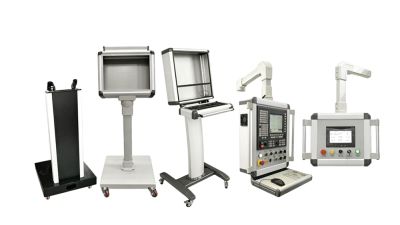
Exploring the Benefits of Rittal-Style Aluminum Cantilever Enclosure for Arm Systems and Swing Arm Control Boxes
The aluminum cantilever enclosure offers a robust solution for industrial control systems, making it an essential component for HMI and machine operation environments. With its heavy-duty swing arm and support arm system, this versatile enclosure ensures flexibility and adaptability. The design allows for optimal positioning of control panels and electrical components, enhancing accessibility and user comfort. Operators can easily adjust the viewing and working angles, which is crucial for maintaining efficiency during machine operation.
Constructed from high-strength aluminum alloy, the enclosure not only provides excellent durability but also features an IP54 protection rating, safeguarding its contents from dust and splashes of water. The modular structure and standard mounting dimensions facilitate seamless integration with existing systems, ensuring compatibility with various setups. This combination of features makes the aluminum cantilever enclosure an ideal choice for those seeking a reliable and effective solution to house human-machine interfaces, buttons, and other critical electrical elements.
FAQS
: You can choose between plastic and metal. Plastic is lightweight and corrosion-resistant, while metal offers greater durability.
The IP rating indicates how well the box resists dust and water. A higher rating usually means better longevity and user satisfaction.
Assess your needs carefully. Insufficient entry points can complicate installations and create problems down the line.
Choose a size that prevents overcrowding. A small box can lead to heat issues and other complications.
Verify certifications and compliance with industry standards. This is crucial for both safety and reliability.
Not necessarily. Sometimes, lower-cost options meet safety standards without compromising quality in the right contexts.
Anticipating future needs can save costs and time. It’s wise to think ahead to avoid frequent replacements.
Look into the materials used in manufacturing. Ensure they can handle your application’s specific conditions.
Feedback provides insights into performance and potential issues. It can guide you to make a more informed decision.
Many believe that spending less always leads to lower quality, but that’s not always the case. Quality varies.
Conclusion
Choosing the best wholesale junction box involves understanding its crucial role in electrical systems, which is to protect connections and distribute power safely. When selecting a junction box, it’s essential to consider key features such as durability, material quality, and sizing to ensure it meets your specific requirements. Evaluating different types of junction boxes is also important, as their applications can vary widely.
Additionally, finding a reliable wholesale partner ensures you receive quality products that align with your budget. Balancing cost with product quality is vital to making a worthwhile investment. By following these guidelines, you can effectively choose a junction box that fits your needs while ensuring safety and efficiency in your electrical systems.