Inquiry
Form loading...
0%

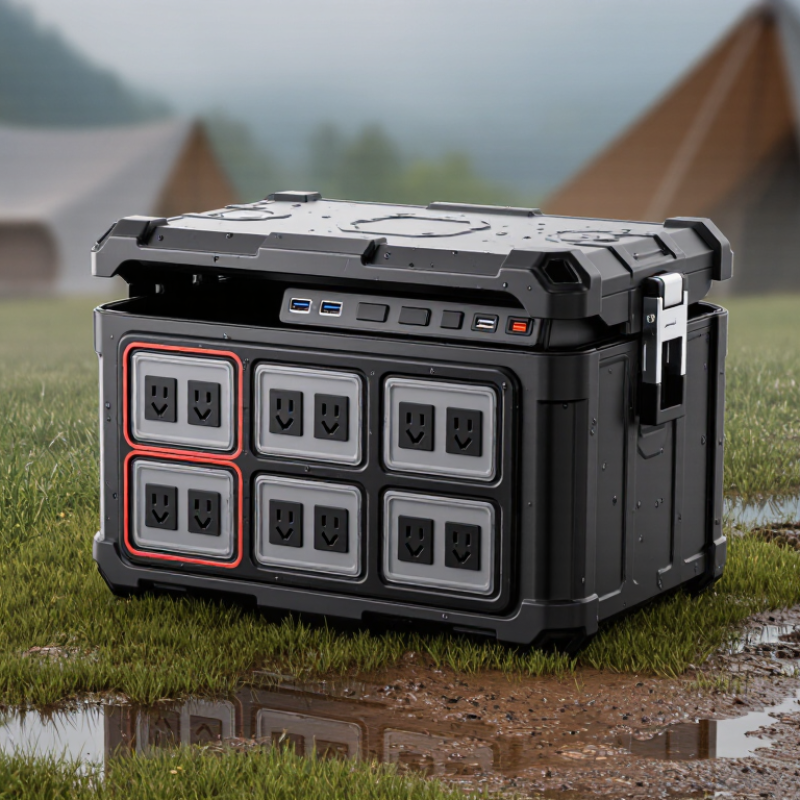
Picking the best Waterproof Power Box isn't just about comparing battery capacities or getting dazzled by sleek product images. If you’re out there camping, hiking, or just need power during a roadside emergency, reliability is everything—especially when you’re surrounded by wet grass, muddy boots, or sudden rainstorms. A solid enclosure should really be able to fend off water, dust, impacts, heat, and even those clumsy moments we all have. Sure, the IEC 60529 standard sets IP ratings, but let’s be honest, an IP number isn’t a magic shield—you can’t rely on it alone, since testing conditions don’t always match real-life scenarios like camping trips.

Market data actually shows why this stuff matters. According to Grand View Research, the market for portable power stations is booming, thanks to people camping more, needing emergency backups, and working off-grid. Fortune Business Insights even predicts this growth will keep going strong through 2032. But hold up—just because the market’s hot doesn’t mean every product is top quality. Some units brag about huge capacities but don’t really tell you what kind of usable power they give, how fast they charge, what kind of battery chemistry they use, or what their limits are.

Battery expert M. Stanley Whittingham once said, “Safety is the most important thing.” That’s a rule of thumb you should keep in mind when comparing Waterproof Power Boxes. Look for things like clear IP details, thermal protection, overload safeguards, certified chargers, and solid warranties. Also, see if the outlets stay protected when the lid is open—tiny details, but they really matter. Double-check whether the IP rating covers rain, splashes, or even brief immersion—because not all ratings are created equal.

I wouldn’t just judge a box by watt-hours alone. A heavier, sturdier unit might be more protected, but if it’s a pain to carry around, that’s a real downside. On the flip side, a smaller, more compact model might fit in your vehicle just right, but could let you down during longer outages. The ideal choice is somewhere in the middle: a product with verified sealing, safe and reliable batteries, decent power output, good support, and honest specs. Sadly, some websites still keep things vague or seem vague on purpose—that’s when you really need to step back, compare carefully, and ask questions. Better safe than sorry, right?
How to Choose the Best Waterproof Power Box?

Understanding Waterproof Power Box Functions and Applications

How to Choose the Best Waterproof Power Box?

A waterproof power box protects energy equipment from rain, splashes, dust, and accidental spills. Its value depends on function, not appearance. The IEC 60529 standard defines IP ratings for enclosure protection.

An IP54 unit resists limited dust and water splashes.

An IP67 unit offers stronger dust protection and temporary immersion resistance.

However, IP67 does not mean unlimited underwater use.

A practical inspection should cover battery capacity, output ports, charging speed, and thermal control. Look for clear watt-hour data and overload protection.

A 500Wh unit may run a small refrigerator for several hours, depending on startup demand and efficiency.

USB-C, AC, and DC outputs support phones, cameras, medical devices, and field sensors.

In wet outdoor work, sealed covers matter. Cable openings remain weak points. A higher rating is not automatically safer if the cover is poorly closed.

Market data also shows growing demand. Grand View Research estimates the global portable power station market reached about USD 545 million in 2023. It projects an 8.1% compound annual growth rate from 2024 to 2030.

Applications include camping, emergency backup, remote maintenance, and outdoor events.

The Global E-waste Monitor 2024 reported 62 million tonnes of electronic waste in 2022, with only 22.3% formally collected and recycled. This makes repairable housings and replaceable components worth considering.

I would not choose the largest battery by default. Weight, charging time, storage temperature, and real weather exposure can change the decision.

Assessing Power Capacity, Output Types, and Runtime Requirements

Choosing the best Waterproof Box starts with realistic power calculations, not the largest battery rating. Estimate each device’s wattage and daily operating hours, then multiply them.

A 60-watt light used for five hours needs about 300 watt-hours. Add a 20% reserve for cold weather, conversion losses, and battery aging. Real conditions are less tidy.

Output types matter just as much. USB-C ports suit phones, tablets, and compact laptops, while USB-A supports older accessories. DC outputs can power routers, lights, or small pumps efficiently. An AC outlet offers flexibility, but it usually wastes more energy through inversion.

Check continuous wattage and surge wattage before connecting equipment. A refrigerator may draw modest power normally, yet require a sharp startup surge. Runtime estimates often look optimistic. Test the box with your actual devices for one evening.

Tips: Keep a simple load list beside the Waterproof Box. Record device wattage, runtime, and remaining battery percentage. Choose sealed connectors and inspect gaskets after dusty trips. Do not assume “waterproof” means submersible; verify the enclosure’s protection rating and the manufacturer’s testing conditions. I would also leave spare capacity, because real usage rarely matches the first estimate.

Comparing Waterproof Ratings, Materials, and Structural Protection

Choosing a Waterproof Plug Box requires more than reading one impressive number. IEC 60529 classifies IP ratings by protection against solids and water. An IP65 enclosure is dust-tight and resists water jets. IP67 adds temporary immersion, generally up to one metre for 30 minutes under test conditions. IP68 is not automatically stronger; its depth and duration depend on the manufacturer’s declared specification. That detail is easy to miss.

Materials and structure matter just as much. Polycarbonate can provide good impact resistance and lighter handling, while stainless steel suits harsher, corrosive locations. ABS may be practical indoors, but ultraviolet exposure can weaken some grades over time. IEC 62262 separately rates impact protection through IK codes, proving that IP and impact performance are different tests. NEMA 250 also evaluates enclosure protection, but its classifications should not be directly substituted for IP codes. Field inspections often reveal the same weakness: a strong box with a poorly tightened cable gland still admits moisture.

Tips: Check the complete assembly, not only the lid. Confirm gasket compression, cable-gland size, drainage, UV exposure, and mounting stress. Test the hinge and latch after installation. Small gaps matter.

I would also question laboratory confidence. A clean 30-minute immersion does not represent freezing rain, dust, vibration, or repeated opening. Choose the rating from the real environment, then verify the test method and maintenance requirements.

How to Choose the Best Waterproof Power Box? — Comparing Waterproof Ratings, Materials, and Structural Protection

Protection Category Common Rating or Feature What It Protects Against Typical Material or Construction Strengths Limitations and Selection Notes Suitable Use Conditions
Basic Splash Protection IP54 Limited dust ingress and water splashes from any direction. Sealed thermoplastic or coated metal enclosure with a formed gasket. Good for light outdoor exposure and sheltered areas. Not intended for water jets, heavy rain directed at seals, or immersion. Covered patios, workshops, utility rooms, and temporary installations away from standing water.
Dust-Tight and Water-Jet Protection IP65 Complete protection against dust and protection from water jets from any direction. UV-stabilized polycarbonate, ABS, fiberglass-reinforced polyester, or powder-coated steel with continuous sealing. A practical general-purpose level for many outdoor power enclosures. A water-jet rating does not automatically mean the enclosure can be submerged. Outdoor walls, construction areas, gardens, and locations exposed to rain and routine washdown.
Powerful Water-Jet Protection IP66 Complete dust protection and protection from powerful water jets. Rigid enclosure with compression latches, a continuous elastomer gasket, and protected cable entries. Better resistance to driving rain and high-pressure cleaning than IP65. The enclosure should remain closed and correctly latched during washing; cable glands must match the rating. Industrial washdown zones, exposed service areas, and locations with strong rain or hose cleaning.
Temporary Immersion Protection IP67 Complete dust protection and temporary immersion in water up to 1 meter for up to 30 minutes under the test conditions. Impact-resistant plastic or corrosion-resistant metal enclosure with a carefully compressed gasket system. Useful where accidental flooding or brief submersion is possible. IP67 does not automatically include protection against powerful water jets; a product may need a separate IP66/IP67 declaration. Low-lying outdoor installations, flood-prone areas, and equipment that may be briefly dropped into water.
Extended or Continuous Immersion IP68 Protection during continuous immersion under conditions specified by the enclosure manufacturer. Heavy-duty molded enclosure, robust gasket, sealed fasteners, and rated cable glands or connectors. Best choice when the enclosure may remain underwater for longer than a temporary immersion test. Depth, duration, and test conditions are not universal; verify the manufacturer’s stated limits before installation. Submersible equipment, drainage systems, marine-related applications, and installations with predictable prolonged flooding.
Rain and Sleet Protection NEMA 3R Outdoor protection against falling rain, sleet, and formation of external ice. Galvanized or painted steel, aluminum, or molded polymer with a rain-shedding design. Suitable for basic outdoor electrical protection where hose-directed water is not expected. NEMA classifications and IP ratings are different systems and should not be treated as direct equivalents. Outdoor electrical service areas, covered equipment zones, and locations with ordinary weather exposure.
Outdoor Water Protection NEMA 4 Protection against windblown dust, rain, splashing water, hose-directed water, and external ice formation. Sealed steel, stainless steel, aluminum, polycarbonate, or fiberglass-reinforced polyester. A strong choice for outdoor and industrial environments with frequent water exposure. It is not automatically suitable for immersion; select a submersion-rated enclosure when flooding is expected. Industrial facilities, outdoor power distribution, washdown areas, and exposed service equipment.
Outdoor Water and Corrosion Protection NEMA 4X NEMA 4 protection plus increased resistance to corrosion. Stainless steel, nonmetallic fiberglass-reinforced polyester, polycarbonate, or corrosion-resistant coated metal. Well suited to salt air, chemical exposure, food-processing environments, and humid locations. Corrosion resistance depends on the specific material, coating, fasteners, cleaning chemicals, and exposure level. Coastal areas, wastewater facilities, chemical-processing zones, and hygienic washdown environments.
Impact Protection Impact rating such as IK08–IK10 Resistance to mechanical impact according to the enclosure’s declared impact class. Thick polycarbonate, reinforced ABS, fiberglass-reinforced polyester, aluminum, or steel with structural ribs. Reduces the risk of enclosure cracking or deformation from tools, equipment, or accidental knocks. Impact resistance does not prove waterproofing; the enclosure also needs an appropriate IP or NEMA rating. Construction sites, workshops, public areas, transport facilities, and equipment exposed to mechanical abuse.
UV and Weather Resistance UV-stabilized polymer or weather-resistant coating Helps reduce cracking, fading, and loss of mechanical performance caused by sunlight and weathering. UV-stabilized polycarbonate, ASA, fiberglass-reinforced polyester, stainless steel, or outdoor-rated powder coating. Improves service life in direct sunlight and changing outdoor temperatures. UV resistance does not define water protection; confirm the complete enclosure rating and temperature range. Rooftops, solar installations, exterior walls, roadside equipment, and exposed outdoor locations.
Temperature and Condensation Control Gasketed enclosure with drain, breather, heater, or ventilation accessory Helps manage condensation, pressure changes, heat buildup, and internal moisture in sealed boxes. Sealed enclosure combined with a pressure-equalizing vent, drain plug, thermal management device, or anti-condensation heater. Supports reliable operation where daily temperature swings or humidity are significant. Adding vents or cable entries can reduce the original water-protection level unless the accessories are properly rated. Outdoor installations with large temperature changes, humid climates, and equipment that generates heat.
Structural and Installation Protection Reinforced body, captive hardware, compression latches, mounting points, and cable-gland support Protects internal components from vibration, cable strain, enclosure distortion, and installation damage. Reinforced polymer, fiberglass-reinforced polyester, aluminum, or steel with internal mounting plates and ribs. Improves mechanical stability and helps preserve gasket compression over time. A high waterproof rating can be compromised by drilled holes, loose latches, damaged gaskets, or unsupported cables. Mobile equipment, industrial machinery, vibration-prone areas, and installations requiring frequent maintenance.

Selection note: Choose the rating according to the actual hazard—dust, rain, water jets, immersion, corrosion, impact, temperature, and cable-entry conditions. IP and NEMA classifications use different test methods, so the exact declaration, installation instructions, and accessory ratings should always be checked together.

Checking Portability, Mounting Options, and Operating Conditions

Choosing a Waterproof Metal Box starts with the route it must travel.

A field technician may carry it across gravel, lift it into a service vehicle, and install it under a narrow control panel. Check the empty weight, handle clearance, and balance after adding batteries and cables. The International Energy Agency reported that global battery storage additions reached about 42 GW in 2023, showing how quickly portable energy equipment is entering practical field use. A heavy box can become a daily nuisance.

Mounting options deserve equal attention. Look for reinforced wall holes, removable brackets, and enough internal clearance for cable bends. Slotted mounts help when existing holes do not align. I once underestimated this detail; the box fitted the wall, but the cable gland faced a sharp edge. That mistake was avoidable. Leave space for airflow and inspection, rather than forcing a compact installation.

Operating conditions define real protection. IEC 60529 testing identifies IP65 as dust-tight with protection from water jets, while IP67 includes temporary immersion up to one metre for 30 minutes. These ratings describe laboratory conditions, not every storm, vibration, or chemical exposure. The U.S. National Electrical Manufacturers Association also warns that enclosure ratings require proper installation and maintenance. Check temperature limits, condensation risk, sunlight, salt spray, and impact exposure. Wet is not the only problem. A sealed Waterproof Metal Box can still overheat when parked in direct summer sun.

Reviewing Safety Features, Charging Methods, and Battery Performance

Choosing the best waterproof power box starts with safety, not capacity. Look for an ingress-protection rating, sealed ports, temperature control, short-circuit protection, and a battery-management system. IEC 62133-2 provides a useful reference for rechargeable lithium battery safety. UL 2743 is also relevant for portable power packs. Certification helps, but it is not a magic shield. Check the test scope carefully.

Charging methods reveal practical value. A wall charger is usually fastest, while solar charging depends on panel wattage, sunlight, and the box’s maximum input. USB-C Power Delivery can efficiently charge small devices, but it may not replace a dedicated input for a large battery. The International Energy Agency reported that global battery demand in the energy sector reached about 750 GWh in 2023, increasing roughly 40% from 2022. That growth supports better technology, yet quality still varies widely. I would compare charging time under stated conditions, not optimistic advertisements.

Battery performance needs simple arithmetic. A 1,000 Wh battery may deliver less usable energy after inverter losses and reserve protection. Test results should show cycle life, operating temperature, and remaining capacity after repeated use. The U.S. Department of Energy’s Energy Storage Grand Challenge stresses safety, durability, and lifecycle performance. My checklist remains imperfect. Real rain, cold mornings, and dusty connectors can change results. Keep the ports closed, avoid continuous maximum output, and record actual runtime during a short home test.

Matching the Power Box to Your Equipment and Budget

Choosing the best waterproof power box starts with the equipment, not the product label. A camera, medical monitor, and high-load tool require different output ratings. Check continuous wattage, startup surge, connector type, and battery capacity before comparing prices. A box rated for 500 watts may struggle with a motor that briefly demands twice that power.

Water protection also needs careful reading. IEC 60529 defines IP67 as dust-tight protection and temporary immersion up to one meter for 30 minutes. IP ratings do not measure impact strength, heat management, or chemical resistance. NEMA 250 adds enclosure guidance for rain, hose-directed water, and outdoor corrosion. These standards help, but they do not replace field testing. Look for sealed cable glands, covered sockets, pressure-release vents, and a lid that closes without pinching the gasket. Small details matter.

Budget choices should reflect operating conditions. Occasional campsite use may justify a lighter enclosure and fewer outlets. Daily construction work needs stronger hinges, replaceable seals, and better thermal protection. Leave at least 20 percent capacity above your normal load. A practical search phrase, “Switch Box Waterproof,” can find many options, yet wording alone proves little. I once trusted a thick-looking case and ignored its weak latch. That was an expensive lesson. Verify test documents, warranty terms, and charging performance at low temperatures. A cheaper box can cost more when moisture damages the connected equipment.

FAQS

How should I check a waterproof power box’s portability?

Check empty weight, handle clearance, and balance after adding batteries and cables. Gravel changes the experience. A heavy box becomes tiring during daily fieldwork.

What mounting features are useful?

Look for reinforced holes, removable brackets, and slotted mounts. These features help when existing wall holes do not align. Leave room for cable bends.

How much internal space should I leave?

Leave enough clearance for cables, airflow, and inspection. Do not force a compact installation. A crowded box complicates repairs and may damage cable glands.

What does an IP67 rating indicate?

It indicates dust-tight protection and temporary immersion up to one metre for 30 minutes. This is a laboratory condition. It does not guarantee protection during every storm.

Does a sealed box prevent overheating?

No. Direct summer sunlight can heat a sealed enclosure quickly. Check temperature limits, ventilation design, and condensation risks before outdoor installation.

How do I match the box with my equipment?

Check continuous wattage, startup surge, connector type, and battery capacity. A 500-watt rating may fail with a motor demanding twice that power briefly.

How much extra power capacity should I plan?

Keep at least 20 percent capacity above your normal load. This allows modest surges and future changes. More headroom is safer, though sometimes less economical.

What details should I inspect before purchase?

Check sealed cable glands, covered sockets, strong hinges, replaceable seals, and a non-pinching gasket. Also verify test documents, warranty terms, and cold-weather charging performance.

Is a cheaper enclosure always a better choice?

Not necessarily. A thick case may still have a weak latch or poor heat control. I once overlooked that detail. The saving became an expensive lesson.

Conclusion

Choosing the best Waterproof Power Box starts with understanding how and where it will be used. Consider the devices you need to operate, their total power demand, required output types, and the runtime needed between charges. A suitable unit should offer enough capacity without becoming unnecessarily heavy or difficult to transport. Pay close attention to waterproof ratings, durable materials, sealed connections, and structural protection against dust, impact, and changing outdoor conditions.

Portability and mounting options are also important, especially for travel, work sites, emergency preparation, or recreational use. Review safety features such as overload, short-circuit, temperature, and battery protection, along with the available charging methods and expected battery life. Finally, compare the power box’s compatibility with your equipment, operating environment, maintenance needs, and budget. By balancing performance, protection, convenience, and long-term value, you can select a Waterproof Power Box that provides dependable power while matching your practical requirements.
Amara

Amara

Amara is a dedicated marketing professional at a leading manufacturing enterprise specializing in the integration of research and development, production, and sales within the electrical equipment industry. With a strong focus on creating high-quality, customized, and reliable sheet metal cabinets,......
Previous How to Choose Electronic Cabinets in 2026?