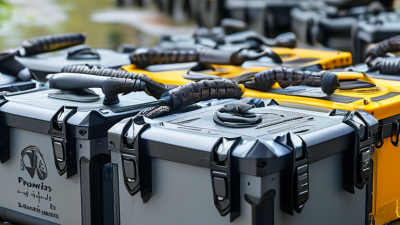
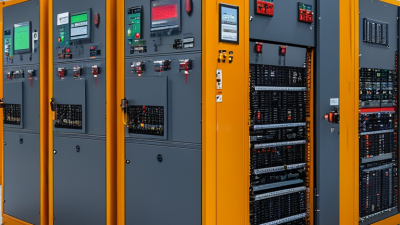
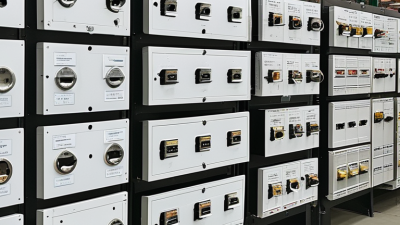
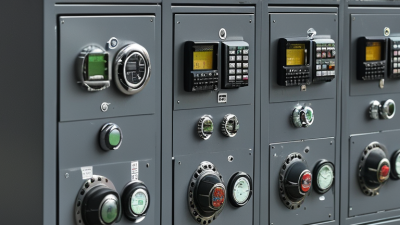
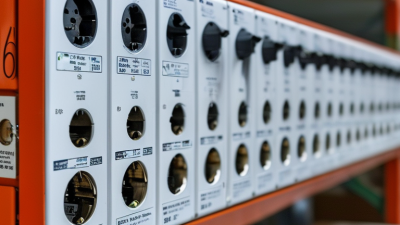
Choosing the right Electrical Panel Cabinet is actually pretty important—it can really make a difference when it comes to how safe and efficient your electrical system runs. I read somewhere that John Smith from PowerTech Solutions pointed out that selecting the proper electrical cabinet is key to making everything perform well. And honestly, that rings true. It’s all about making smart, informed choices from the get-go.
When you're looking at your options, don’t forget to think about the material, size, and features. For example, a sturdy material like steel can do a much better job protecting against the elements. And size matters—pick one that fits just right; a cabinet that’s too small might cause overheating issues. Also, features like good ventilation and easy access for maintenance are super helpful—they save time and headaches down the line.
It’s easy to get caught up in the details or go for the cheapest option, but skimping here might cause more trouble later on. Taking a bit of time to research and consider your specific needs really pays off. After all, this isn’t just about performance; safety is just as important. Each electrical cabinet serves different purposes, so it’s worth being mindful and choosing one that really fits your situation. Trust me, it’s worth the extra thought.
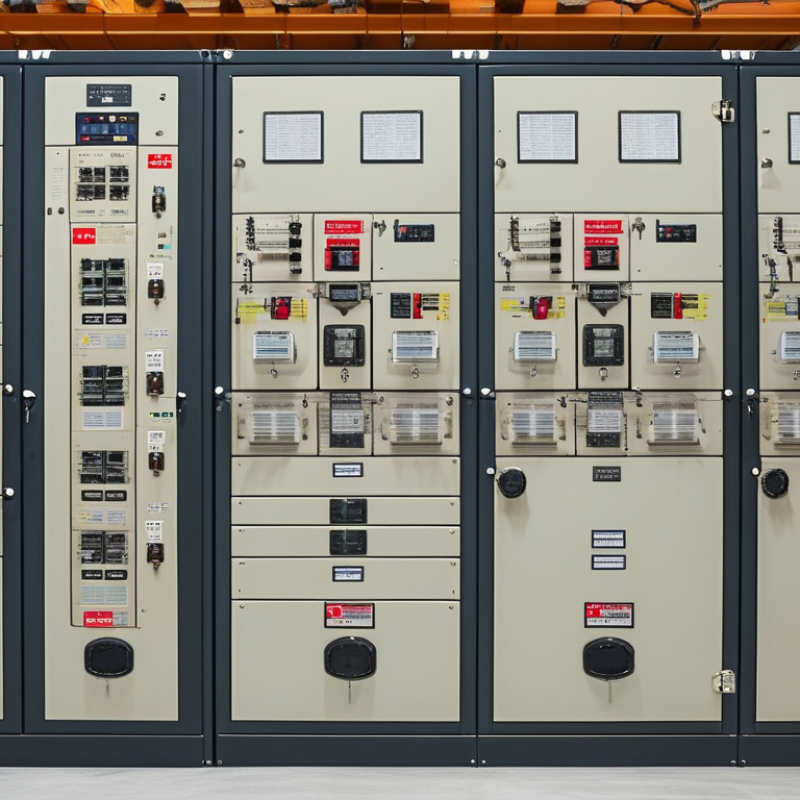
Understanding the Basics of Electrical Panel Cabinets
When considering an electrical panel cabinet, understanding its fundamental components is essential. The
Enclosure Electrical Panel
serves as a protective housing for circuit breakers and wiring. These cabinets come in various sizes and configurations to accommodate different electrical needs. It's vital to evaluate your space and the number of circuits you require.
Safety is another critical aspect. A well-constructed enclosure reduces the risk of electrical hazards. Inspect materials used in the panel's design; durability is key. While many options exist, not all may suit your specific requirements. Sometimes, what seems like an excellent choice may lack necessary features.
Installation can also pose challenges. Misalignment during setup can lead to complications later. Be prepared for potential adjustments. Understanding local regulations can aid in compliance, preventing future issues.
Always remember, selecting the right electrical panel cabinet is not merely about functionality; it’s about safety and reliability in your electrical systems.
Types of Electrical Panels and Their Functions
When selecting the right electrical panel cabinet, understanding the types available is crucial. Different panels serve unique functions in residential and commercial buildings. The main types include load centers, subpanels, and transfer switches. According to the National Electrical Manufacturers Association (NEMA), load centers account for around 60% of the market. They distribute electricity to various circuits.
Subpanels help manage power distribution in larger homes. They reduce the load on the main panel. Transfer switches are vital for homes with backup generators. They ensure a seamless transition between the main power and backup systems. Each type of Electrical Panel Enclosure is made for specific needs and configurations.
Consider the panel's capacity and the number of circuits you require. Aim for a cabinet that accommodates future expansions. It’s wise to leave some circuits unused to manage new additions later. Assess your home's voltage and amperage needs carefully. Remember, improperly sized panels can lead to system failures. Make sure to consult local codes and guidelines for safe and compliant installation.
Assessing Your Electrical Needs Before Selection
Assessing your electrical needs is crucial before selecting a panel cabinet. Start by understanding your home's or facility's power requirements. Consider the number of circuits you need. Calculate the total load, including appliances and lighting. This will help determine the size of the cabinet.
When thinking about an electrical panel, safety should always be a priority. Beware of overloading the system. An inadequate panel may lead to frequent outages or even fire hazards. Always consult with a professional to evaluate your specific situation.
Tips: Ensure the Industrial Electrical Panel has enough capacity for future expansion. It’s wise to plan ahead. Also, check if you require enhanced features, such as surge protection or smart technology. A personalized approach allows you to make informed decisions that suit your exact requirements. Think critically about your choices and what might be lacking before making a final decision.
Key Features to Look for in an Electrical Panel Cabinet
When selecting the right electrical panel cabinet, several key features are essential. Look for durable materials that can withstand harsh environments. A robust cabinet offers longevity and protection for internal components. Size is also crucial. Ensure the cabinet fits your space and provides room for future expansions. An overcrowded cabinet increases the risk of overheating and inefficiency.
Ventilation is often overlooked. Proper airflow prevents overheating of the Electrical Switchboard Panel, ensuring optimal performance. Also, consider features like lockable doors for security. This protects the panel from unauthorized access and accidental tampering. The layout of the cabinet should allow for easy access to wiring and breakers. Tight spaces can complicate maintenance, leading to errors and safety hazards.
Finally, pay attention to compliance with local electrical codes. This guarantees your installation meets safety standards. Regularly review your choice. What seems perfect now may need adjustments in the future. An effective approach factors in both present needs and future adaptability. In the end, the right electrical panel cabinet is one that balances functionality with safety, while remaining responsive to changing requirements.
How to Choose the Right Electrical Panel Cabinet for Your Needs? - Key Features to Look for in an Electrical Panel Cabinet
| Feature |
Description |
Importance |
Recommended Size |
| Material |
The cabinet material should be durable and resistant to environmental factors. |
High |
Steel or fiberglass recommended |
| Size |
Choose a size that accommodates your current and future needs. |
High |
Standard sizes: 24"x36", 30"x48" |
| Accessibility |
Ensure easy access for maintenance and operation. |
Medium |
Front access preferred |
| Cooling Options |
Consider ventilation or cooling systems for optimal performance. |
High |
Include fans or passive cooling |
| Mounting Type |
Wall-mounted or floor-standing units depending on space availability. |
Medium |
Custom height based on installation |
Factors Influencing the Size of Your Electrical Panel Cabinet
When choosing an electrical panel cabinet, size is a critical consideration. The size of your cabinet can depend on multiple factors, including the intended use, existing electrical load, and future expansions. Research indicates that a standard residential panel typically ranges from 100 to 200 amperes. However, homes with extensive power needs may require larger cabinets to accommodate additional circuits. According to the National Electrical Code (NEC), load calculations are vital. They ensure panels meet safety standards and operational efficiency.
Another influencing factor is the number of circuits. The average home requires around 20 circuits for standard appliances. However, homes with heavy automation or additional electric vehicles may need up to 40 circuits. A report by the Electrical Safety Foundation International shows that incorrectly sized panels can lead to potential hazards, including overloads and fire risks.
Physical space is another variable that cannot be ignored. The cabinet must fit seamlessly within your property’s layout. Builders often underestimate this need, leading to costly modifications later. Regular assessments can assist in determining whether your current panel size meets your home's evolving demands. The right choice of an electrical panel cabinet should blend functionality with safety, ensuring your electrical needs are met effectively.
Installation Considerations for Electrical Panel Cabinets
When selecting an electrical panel cabinet, consider the installation environment. Adequate space for installation is crucial. Ensure the cabinet has enough clearance for wires and connections. The location should also allow for easy access for maintenance.
Reassess the power requirements of your home or business. The panel should be rated for your maximum load. If you expect to expand your electrical system, plan for additional capacity. Consulting a professional can clarify specific needs.
Pay attention to moisture levels and potential dust exposure. Choosing a cabinet with appropriate weatherproofing can prevent damage. Installing in a dry, clean setting protects your investment. Avoiding known hazards is essential for safety and durability. Evaluate your choices regularly to ensure optimal functionality.
Maintenance Tips for Prolonging the Life of Your Electrical Panel
Maintaining your electrical panel is essential for safety and efficiency. Regular inspection can prevent serious issues. Look for signs of corrosion or rust. These can indicate moisture problems. Ensure all connections are tight. Loose connections can cause overheating and fires.
Consider cleaning your panel periodically. Dust and dirt can accumulate, affecting performance. Use a soft brush or cloth to gently remove debris. Check circuit breakers for any unusual tripping. Frequent tripping might signal an underlying issue. If you notice this, consult a professional. Sometimes, it’s easy to overlook minor details. A small problem can escalate quickly if ignored.
Ensure your electrical panel has enough space for airflow. Overheating can damage components. Check for proper labeling of circuits. Clear labeling helps avoid confusion, especially in emergencies. Take time to review your panel layout regularly. You may find areas for improvement. Reflecting on these aspects can enhance safety.
FAQS
: Durable materials are essential. They should withstand harsh environments and protect internal components.
Size matters significantly. Ensure it fits your space and allows for future expansions.
Proper airflow prevents overheating. It ensures optimal performance of the electrical panel.
Yes, lockable doors are crucial. They protect the panel from unauthorized access and tampering.
A layout allowing easy access to wiring is ideal. Tight spaces complicate maintenance and safety.
Absolutely, compliance ensures safety standards are met. Regular reviews can highlight future adjustments.
Reassess your power requirements and plan for additional capacity. Consulting a professional is beneficial.
A clean, dry location is best. Avoid moisture and dust to protect your investment.
Preferences may change over time. Regular evaluations allow adjustments for optimal functionality.
Ensure adequate space for wiring and connections. This avoids complications and enhances safety.
Conclusion
Choosing the right Electrical Panel Cabinet is essential for ensuring the safety and efficiency of your electrical system. Understanding the basics of electrical panel cabinets, including their types and functions, helps in assessing your unique electrical needs. It's crucial to consider key features such as material quality, accessibility, and capacity when selecting a cabinet that best suits your requirements.
Additionally, factors influencing the size of your Electrical Panel Cabinet, such as the number of circuits and space availability, are vital in making the right choice. Proper installation considerations play a significant role in the performance and longevity of the panel cabinet. To ensure optimal function, regular maintenance tips should be followed. By thoroughly understanding these aspects, you can select an Electrical Panel Cabinet that meets your needs and enhances the safety of your electrical system.