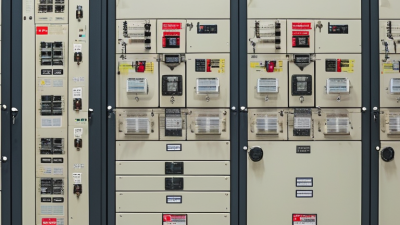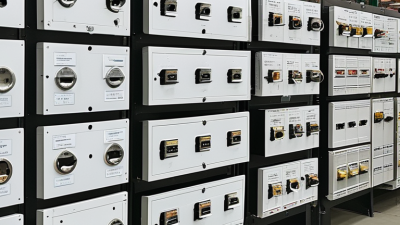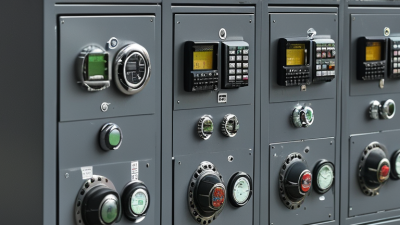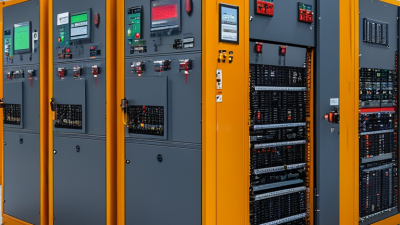
Picking the right Electrical Rack really matters when it comes to keeping things safe and running smoothly. A good, well-thought-out rack can make a big difference — helping with better organization and better airflow to keep your equipment cool. But honestly, lots of folks don’t realize just how important it is to choose the right model for their setup.
It’s really about understanding your own needs. Think about things like the size of your equipment, how much weight the rack needs to hold, and what kind of gear you're dealing with. Not all racks are the same, and some just won’t work well if they don’t match your tech or airflow needs. Picking the wrong one could lead to overheating or even damage your equipment, which nobody wants.
And don’t forget, installation can be a bit tricky sometimes. Getting some advice from pros can make a world of difference. Companies like RackTech are great because they offer tailored solutions and know what they’re doing. They can help you figure out what’s best for your setup, saving you a lot of headaches.
At the end of the day, choosing the right Electrical Rack isn’t just about keeping things tidy—it’s also about protecting your investments in the long run. Trust me, taking the time to pick the right one really pays off.
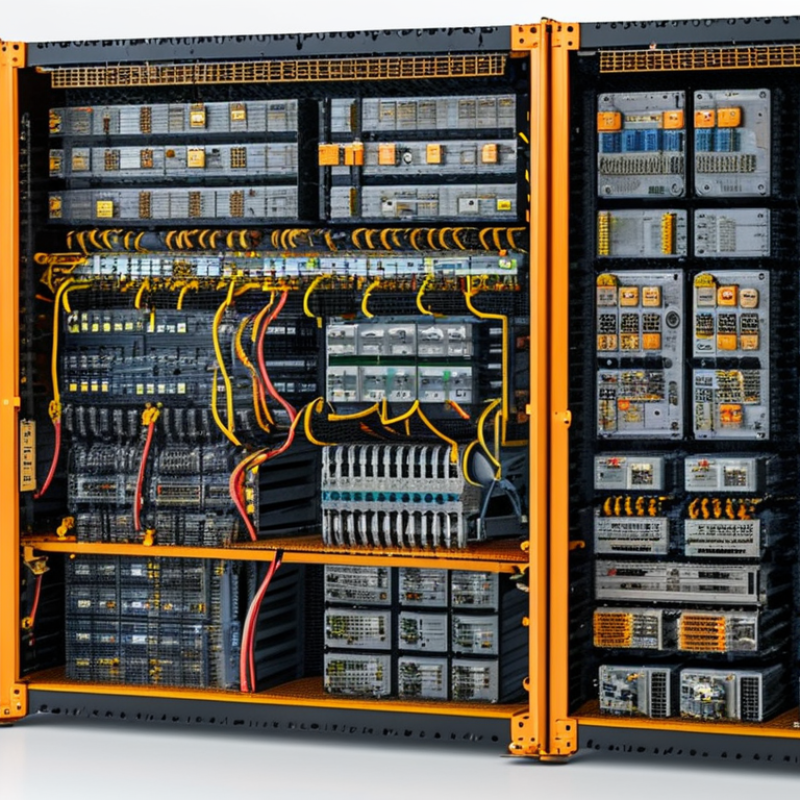
Choosing the right electrical rack starts with understanding its purpose. An electrical rack serves as a framework for organizing and protecting vital equipment. It’s essential for housing servers, switches, and other essential devices. These units optimize space, ensuring that cables remain tidy and equipment stays cool. An organized system can greatly enhance workflow efficiency.
Not every rack suits every application. Consider the specific needs of your environment. Different racks offer varying levels of ventilation and accessibility. A well-chosen rack can prevent overheating and extend the lifespan of your gear. However, a poor selection can lead to frustration. Identify your dimensions, load capacity, and potential growth.
Investing in Rack Enclosures means considering material quality and design. Some enclosures are sturdy, while others may require extra support. Analyze the purpose of your setup and what equipment it will hold. It's crucial to ask what works and what doesn't in your current system. Reflection on these elements will guide you toward the right choice.
Choosing the right electrical rack begins with understanding your specific power and space requirements. Assess how much space you have available for installation. Measure the area carefully to ensure that the rack fits comfortably without overcrowding. It’s easy to underestimate the space needed. Planning for ventilation is crucial, especially if your equipment generates heat.
Next, consider your power needs. Calculate the total wattage of the devices you plan to house. Make sure the electrical rack supports this load. You might find it helpful to create a list of all equipment with their power ratings. This can help avoid surprises later. Also, think about future expansions. Will you need more capacity down the line?
Choosing the right rack is not just about fitting things in. It involves contemplating organization and accessibility as well. If your setup is cramped, it can complicate maintenance. Aim for a layout that allows easy access to each component. Don't overlook the importance of cable management to keep things tidy. Reflect on your current and future needs to make the best choice.
When selecting an electrical rack, understanding the types available is essential. Wall-mounted racks are great for compact spaces. They save floor space while providing adequate support for equipment. They are commonly used in small offices or data closets. However, these racks may limit future expansion due to their size constraints.
Floor-standing racks offer more flexibility. They can accommodate a greater number of devices and provide better airflow. These racks are ideal for server rooms or larger installations. A downside is that they often require more space. Evaluating your available area is crucial. Another option is open-frame racks, which provide easy access for maintenance. However, they may not be suitable for environments requiring high security.
Cable management is another factor to consider. Proper organization helps prevent tangling and promotes airflow. A mess of cables can lead to overheating and equipment failure. Keeping this in mind when choosing a rack is vital. Each type of electrical rack presents pros and cons. Careful consideration of your specific needs will guide you to the best solution.
When selecting an electrical rack, material and build quality are paramount. These factors ensure the durability of your equipment. A sturdy metal frame typically offers better resistance to wear and tear. Consider weather conditions if the rack is for outdoor use. Steel and aluminum are popular options due to their strength and longevity.
However, it's crucial to evaluate the specifics. Metal can corrode, especially in humid areas. Coatings help, but they aren’t foolproof. You might find racks that look good but lack structural integrity. Balancing aesthetics with functionality can be challenging. Does it fit your space and needs?
Think about ventilation and accessibility too. An Outdoor Rack Cabinet that is too enclosed may trap heat, damaging components. Ensure there are enough airflow options. An effective design considers ease of access for maintenance. It might be tempting to opt for a cheaper alternative, but this can lead to long-term issues. Keep these aspects in mind while choosing.
Choosing the right electrical rack involves understanding the specific cooling and ventilation needs of your equipment. Effective cooling is crucial to prevent overheating. Reports indicate that a staggering 30% of IT hardware failures stem from inadequate cooling. This emphasizes the need for properly designed racks.
Ventilation can be managed through various methods. For example, airflow can be optimized using perforated panels. It's estimated that racks with proper airflow can maintain equipment at temperatures 5 to 10 degrees cooler. This simple adjustment can extend the lifespan of sensitive electronics.
In addition to airflow, consider your environment. High-density deployments may require specialized cooling solutions, such as containment systems. These systems can enhance efficiency, reducing energy costs by up to 25%. However, careful planning is necessary to avoid over-engineering, which can lead to excessive costs. Each setup is unique, and a one-size-fits-all approach often leads to issues.
Choosing the right cable management solutions is essential for any electrical rack setup. Proper organization can prevent issues such as overheating and equipment failure. According to a recent industry report, improper cable management can lead to a 30% increase in maintenance costs. Investing time in organizing cables will pay off in the long run.
When selecting a Rack Mount Enclosure, consider both vertical and horizontal layouts. Vertical arrangements often save space. They can enhance airflow between components, reducing heat buildup. Horizontal solutions, on the other hand, allow for easier access. This flexibility can be critical for maintenance and upgrades. A mix of both may suit complex setups best.
One important aspect is ensuring the right cable length. Cables that are too long can contribute to tangling and increased clutter. Too short, and they may strain connectors. It is a delicate balance that requires thoughtful consideration. Use cable ties and rack strips to keep wires neat and accessible. Maintaining order can enhance equipment longevity and functionality.
When selecting an electrical rack, budget considerations become vital. Choosing a cost-effective solution does not mean sacrificing quality. There are various options available that can cater to different financial capabilities without compromising functionality. For instance, sometimes prefabricated racks provide a more economical option than custom-built solutions. These units often meet essential electrical needs while maintaining a reasonable price.
However, it is crucial to assess the specific requirements before making a decision. Not all budget racks perform equally. Some may lack adequate airflow, leading to overheating issues. A Server Rack Cooling Unit can enhance performance by ensuring proper ventilation. Adequate cooling should be a priority, even with lower-cost options. Evaluating the balance between initial costs and long-term maintenance is essential. Reflecting on the potential for future upgrades can also guide your selection process. Sometimes, spending slightly more upfront on quality can save costs in the future due to lower energy consumption and reduced maintenance needs.
: There are wall-mounted, floor-standing, and open-frame racks. Each type serves different needs.
Wall-mounted racks save floor space and fit well in compact areas like small offices.
Floor-standing racks offer flexibility and better airflow but need more space for installation.
Proper cable management prevents tangling and overheating, which can damage equipment.
Strong metals like steel and aluminum offer durability, but consider corrosion in humid areas.
Budget racks can work, but ensure they provide adequate ventilation to avoid overheating.
Proper airflow is vital. Enclosed racks may trap heat and harm components.
While aesthetics are important, functionality should take precedence to avoid future issues.
Cheaper options may lead to long-term maintenance problems and higher energy costs.
Evaluate space, equipment, and future needs before selecting an electrical rack.
When selecting the right electrical rack, it's essential to first understand its intended purpose and how it will support your specific power and space requirements. Evaluating the types of electrical racks available can help you determine the best fit for your needs, whether you need a wall-mounted solution or a free-standing unit.
Material and build quality are also significant factors to consider, as durability will ensure your equipment remains secure over time. Additionally, adequate cooling and ventilation are critical to maintain optimal performance. Don't overlook cable management solutions, which can help keep your setup organized. Lastly, exploring budget options will allow you to find a cost-effective electrical rack that meets your requirements without compromising on quality or functionality.