Inquiry
Form loading...
0%

By 2026, an Industrial Control Console isn’t just a fancy desk with screens. It’s really the operator’s main interface with alarms, process info, communication tools, and crucial controls. These consoles now come in all sorts of setups—from fixed stations designed for a single person to modular control-room banks, sit-stand workstations, and compact consoles for places where space is tight. Each of these options is meant to solve different problems, and honestly, there’s no one-size-fits-all best choice. It really depends on what you need.

Plus, it’s important to think about human factors alongside the tech and materials. Remember what design guru Don Norman said? “Design is really an act of communication, which means having a deep understanding of the person with whom the designer is communicating.” When it comes to control rooms, that means paying attention to things like sightlines, how far people have to reach, screen glare, cable access, and comfort — especially during long shifts. Little details can make a big difference. For instance, a badly placed alarm display might mess up someone’s flow, even if the console looks super impressive on the showroom floor.

This overview looks at different types of consoles, focusing on things like layout, ergonomics, how easy they are to adapt or scale, maintenance needs, and whether they fit into various operational environments. It also goes over practical trade-offs, like choosing between reconfigurable modules or fixed setups that stay put. The truth is, specs alone won’t tell you everything — shift patterns, operator feedback, and room layout are just as important. It’s easy to overlook these details, but they really matter. No design can eliminate all fatigue or mistakes, so it’s smart to double-check product claims against your actual site needs. The main goal here is to offer a balanced, real-world guide to picking an Industrial Control Console that genuinely supports the work, instead of just making the control room look good in photos.
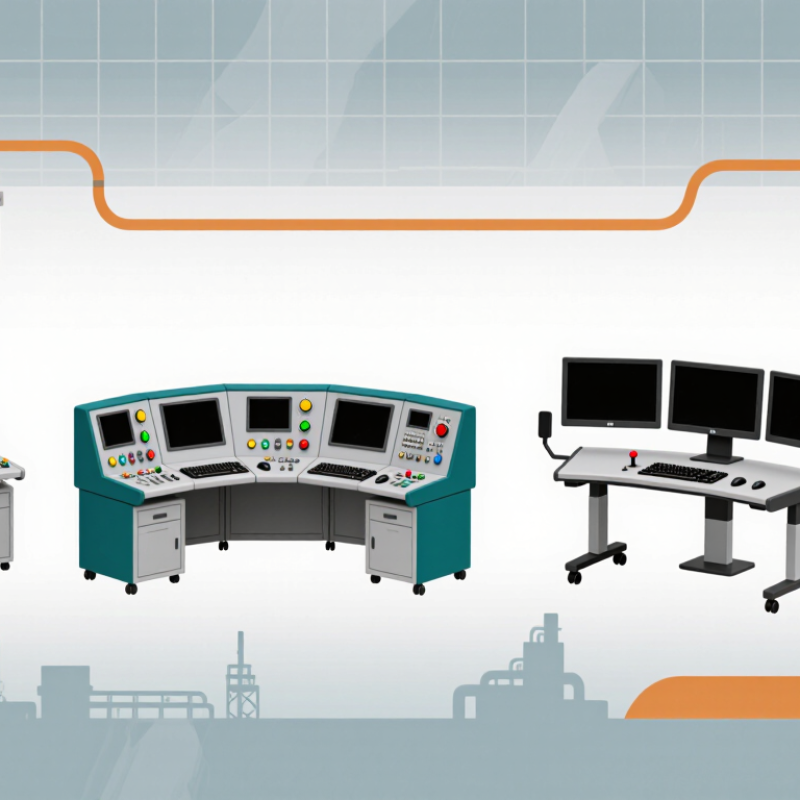
What Are the Top Industrial Control Console Types in 2026?

Industrial Control Consoles in 2026: Scope, Functions, and IEC 60204-1

Industrial control consoles in 2026 range from fixed operator stations to pendant controls and compact modular panels. Their scope is practical: present machine status, provide operator inputs, and house selected electrical devices. A Slant Control Console can angle screens and buttons toward a standing operator, but its shape alone does not ensure good ergonomics. Reach, glare, glove use, and sightlines matter on the actual shop floor.

Functions should follow the machine’s risks and operating tasks. A console may include start and stop controls, status indicators, an HMI, and an emergency-stop device where the machine design requires one. Labels should remain readable under factory lighting. Buttons need clear separation. Small details matter.

IEC 60204-1 addresses electrical equipment of machinery, including relevant design, protection, wiring, and documentation considerations. It is not a catalog of console types, nor does mentioning the standard prove compliance. Requirements depend on the machine, applicable edition, and local adoption. During design reviews, check protective bonding, circuit protection, conductor identification, and clear drawings. A neat panel can still hide awkward maintenance access. I would verify the layout with operators and maintenance staff before fixing dimensions; that step is easy to postpone, and sometimes regretted.

Operator Consoles: 24/7 HMI Stations for Real-Time Process Monitoring

Industrial operator consoles are fixed HMI stations built for continuous process monitoring, not occasional desk work. In a control room, operators may track pressure, temperature, flow, and equipment alarms across several displays. Clear sightlines and reachable controls help reduce missed signals during long shifts. Small details matter. A raised monitor edge, glare from overhead lights, or a crowded keyboard can cause daily friction.

A 24/7 console should support stable posture, service access, and dependable cable management. Adjustable monitor arms let staff align screens without twisting toward critical trends. Ventilation openings and space around heat-producing equipment can help prevent avoidable buildup, though actual needs depend on the installed hardware. Some facilities also need a Hydraulic Lift Console to adjust working height for different operators or seated and standing tasks. That mechanism adds moving parts, so maintenance access and safe operating limits deserve attention. A lift is not automatically the best choice for every room.

Before specifying a station, map the operator’s real tasks and screen layout. Test the viewing angles with representative displays, including alarm-heavy conditions. A layout that looks clean in a drawing may feel cramped during a busy shift. Review it with the people who will use and maintain it; their feedback may expose a weak assumption.

PLC and SCADA Consoles: 19-Inch Racks Under EIA-310

PLC and SCADA consoles often use 19-inch racks to organize controllers, network switches, power supplies, and operator hardware. The familiar width refers to the equipment mounting interface, not the cabinet’s full outside width. EIA-310 defines key rack dimensions and mounting patterns; it does not specify every cabinet depth, cooling method, or console layout. That distinction matters.

A rack unit measures 1.75 inches, so equipment heights can be planned in predictable increments. Fit matters. Check rail spacing, device depth, connector clearance, and room for cables before choosing a console. A control panel may appear compact on a drawing, yet rear plugs can block a door or bend cables sharply. Leave space for service access and airflow, especially around equipment that runs continuously.

For a PLC and SCADA setup, separate noisy power wiring from communication and signal cables where practical. Secure cables without making future replacement difficult, and verify protective grounding against the site’s engineering requirements. Heat still wins. Do not assume a ventilated rack will stay cool in a crowded control room; measure operating conditions and review equipment limits. One detail is easy to overlook: a neat front view can hide a difficult service job at the rear. Rack standards help with fit, but they cannot fix a poor layout.

DCS Consoles: Multi-Operator Stations for Integrated Process Control

DCS consoles support several operators managing one integrated process from coordinated workstations. Instead of relying on a single control point, teams can monitor separate process areas while sharing alarms, trends, and operating context. One operator may watch temperatures and flow rates. A shift lead can review plant-wide alarms and coordinate responses. This arrangement can reduce handoff gaps, but only when screens and responsibilities are clearly organized. Small details matter.

Tips: Keep frequently used controls within easy reach. Place related process screens together. Test alarm visibility from every operator position. Record who owns each operating area.

A useful multi-operator console balances shared awareness with focused work. Consistent screen layouts help operators find a valve status or trend quickly, especially during a busy shift. Clear sightlines also make spoken coordination easier across the console. Avoid crowding every display with information; more data does not always mean better decisions.

A layout may look right on paper. It can still feel awkward after a long night shift. Operators should review the setup during realistic simulations, then adjust spacing, display angles, and task assignments before relying on it in daily operations.

Console Enclosures: IP65 and NEMA 4X Environmental Protection Ratings

What Are the Top Industrial Control Console Types in 2026?

Console Enclosures: IP65 and NEMA 4X Environmental Protection Ratings

Industrial control consoles often face dust, washdown, humidity, and corrosive cleaning agents. Their enclosure rating should match the actual site conditions, not just the equipment list. A console beside a food-processing wash station has different exposure from one in a dry control room. Small details matter: door seals, cable entries, and regularly opened access panels can affect protection.

IEC 60529 defines IP65 as dust-tight, with protection against water jets. NEMA 250 Type 4X covers indoor or outdoor use and protection against windblown dust, rain, splashing water, hose-directed water, and corrosion. The ratings use different test systems, so they are not direct equivalents. That distinction matters. A label alone does not prove that a finished console, with its installed glands and accessories, maintains the same protection.

Specify the rating alongside operating conditions, including cleaning methods and exposure to chemicals. Check the complete assembly documentation, not only the enclosure specification. In practice, damaged gaskets or poorly fitted cable glands can undermine an otherwise suitable design. This part is easy to overlook. IEC 60529 and NEMA 250 provide the relevant rating frameworks, but site-specific inspection remains essential. A rating is a useful starting point, not a substitute for maintenance.

Safety Consoles: IEC 61508’s Four Safety Integrity Levels

Safety consoles support functions that detect hazards and move equipment to a safer state. Under IEC 61508, Safety Integrity Levels range from SIL 1 to SIL 4. Higher levels require stronger risk reduction. SIL 4 represents the most demanding level, not a badge for an entire console. The rating applies to a defined safety function, such as stopping a conveyor when a guard door opens.

A practical assessment starts with the hazard, response time, sensors, logic, and final control elements. Engineers then evaluate failure rates, diagnostic coverage, and independence across the full safety lifecycle. A well-designed Industrial Control Panel Enclosure can protect components from dust, heat, and accidental contact, but enclosure quality alone does not establish a SIL rating. That distinction matters. A keypad may look robust while a poorly tested circuit undermines the safety function. SIL targets also depend on operating assumptions, and those assumptions can be wrong. Review them against real maintenance records and site conditions. Safety claims need evidence, not appearance.

Modular Control-Room Consoles: Ergonomic Design Under ISO 11064

In 2026, industrial control consoles are increasingly modular, but flexibility only helps when the layout fits the work. ISO 11064 sets ergonomic principles for control-centre design, including workstation arrangements and operator needs. A practical console lets operators adjust monitor height, reach a keyboard without stretching, and read alarms without twisting toward a distant screen. Small details matter.

The UK Health and Safety Executive’s 2023/24 statistics estimated 543,000 workers had work-related musculoskeletal disorders, resulting in 7.8 million lost working days. These figures cover many industries; they do not prove that console design caused the injuries. Still, they underline why control-room teams should assess posture, reach, and time spent seated before specifying equipment.

Keep frequently used controls close. Leave room for movement.

Modular consoles can support those changes as teams, screens, and procedures evolve. A Metal Industrial Box may provide a durable housing for equipment, but its enclosure alone does not make a workstation ergonomic. Check sightlines from seated and standing positions, cable access, knee clearance, and whether maintenance can happen without dismantling nearby stations. One awkward truth: teams may approve a layout on drawings, then discover glare or cramped reach only during live operation. Mock-ups and operator feedback help, though they cannot replace observing real work over a full shift.

China EA Series Side-Mounted Cabinet Air Conditioners: Insights from Grand View Research’s Industrial Refrigeration Market Report

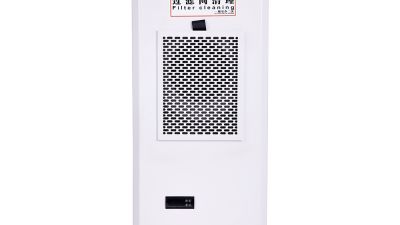
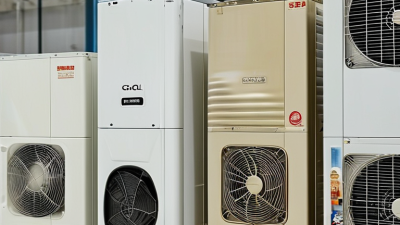
China’s industrial refrigeration market is shaped by the growing need to protect electrical and automation equipment in demanding operating environments. As factories adopt more connected control systems, sealed cabinets must manage heat and humidity without compromising protection from dust. Side-mounted cabinet air conditioners meet this need with a compact installation format that preserves valuable space while supporting stable equipment performance.

Designed and manufactured in China, the EA Series is intended for sealed electrical, PLC, communication, and battery cabinets. Its efficient compressor and environmentally considerate refrigerant support reliable cooling, while intelligent temperature control helps maintain suitable cabinet conditions. Integrated dehumidification and dustproofing features provide added protection for sensitive components. Durable standard carbon steel housing is available, with SUS304 stainless steel customization for applications that require it. Each unit is backed by a two-year warranty, offering industrial users dependable support for their cabinet-cooling requirements.

FAQS

What is an operator console designed for?

It is a fixed HMI station for monitoring pressure, temperature, flow, and equipment alarms. Not occasional desk work.

Why do sightlines matter in a control room?

Clear views help operators notice alarms across several displays. Overhead glare or a raised monitor edge can hide details.

How can a console support better posture?

Adjustable monitor arms, reachable keyboards, and nearby controls can reduce twisting and stretching. Small changes count.

Does every control room need a height-adjustable console?

No. A lift can support seated and standing tasks, but it adds moving parts and maintenance needs. Not always worth it.

What should teams check before choosing a layout?

Map real tasks and screen positions. Test viewing angles with representative displays, including alarm-heavy screens, then ask operators and maintenance staff.

How can modular consoles help a control room?

They can adapt as teams, screens, or procedures change. Flexibility still needs to fit actual work.

What should equipment enclosures and cable areas provide?

Allow service access, orderly cable routing, and space around heat-producing equipment. Ventilation needs depend on installed hardware.

What does ISO 11064 contribute to console design?

It provides ergonomic principles for control-centre layouts and operator needs. It cannot replace observing real work.

Why use mock-ups or live trials before installation?

Drawings may miss glare, cramped reach, or blocked knee space. A drawing can flatter. Full-shift observation may reveal more.

Conclusion

In 2026, Industrial Control Console types are best understood by the tasks and environments they support. Operator consoles provide always-on human-machine interface stations for monitoring processes and responding to changing conditions. PLC and SCADA consoles commonly organize control equipment in standardized 19-inch racks, while DCS consoles support coordinated operations across multiple users and process areas. Each design balances clear displays, accessible controls, equipment space, and reliable operation.

The surrounding environment and safety requirements also shape console selection. Enclosures may use IP65 or NEMA 4X protection ratings where resistance to dust, water, or corrosive conditions is important. Safety consoles support systems designed around the four safety integrity levels defined by IEC 61508. In control rooms, modular layouts can improve operator comfort and visibility when planned in line with ISO 11064. Together, these console types help facilities match their control interfaces to operational needs, equipment architecture, environmental conditions, and ergonomic goals.
Sophia

Sophia

Sophia is a dedicated marketing professional at a leading manufacturing enterprise specializing in sheet metal cabinets and related products. With a strong focus on research and development, production, and sales, she plays a crucial role in bridging the gap between innovative solutions and the......
Previous What Are the 7 Best Control Cabinet Manufacturers