Inquiry
Form loading...
0%

So, why pick a weatherproof junction box, anyway? Well, outdoor electrical stuff faces all kinds of challenges—rain, dust, condensation, sunlight, and suddenly dropping temperatures. A weatherproof box basically acts like a shield for your terminals, cables, and connection points, helping them withstand these daily battles. Plus, if you install the right glands, seals, covers, and grounding, it makes maintenance way safer and easier.

Now, talking standards—IEC 60529 and NEMA 250—cover ingress protection and what an enclosure can handle in different environments. But here’s the thing: just because a box says it's ‘weatherproof,’ doesn’t mean it’s perfect for every situation. The market’s been growing, with more infrastructure, renewable energy projects, and industrial automation needing reliable enclosures. Market reports like MarketsandMarkets and Grand View Research show this is trending upwards. Still, those figures are helpful, but nothing beats a proper site evaluation.

Mike Holt, a pretty respected guy in the electrical training world, once pointed out, “The enclosure must be suitable for the environment.” Sounds simple, right? But honestly, it’s the kind of thing that’s easy to overlook.

For example, a box installed under a coastal roof needs to resist corrosion, have proper drainage, and use UV-stable materials. Or think about a box placed near irrigation—here, you might need a tighter seal than what an indoor utility box would require. Ratings like IP65, IP66, or NEMA can guide you, but the real key is how you install it. A gasket that's damaged or improperly fitted can totally ruin a high-rated enclosure.

This article digs into different material choices, ingress protection levels, mounting situations, cable entry points, and what’s involved in maintaining these setups over time. And here’s a little eye-opener: just because a box is sealed doesn’t mean it’s reliable. Its actual performance depends on the whole setup, not just the rating label.
Why Choose a Weatherproof Junction Box?

Weatherproof Junction Boxes: Definition, Construction, and Core Functions

Why Choose a Weatherproof Junction Box?

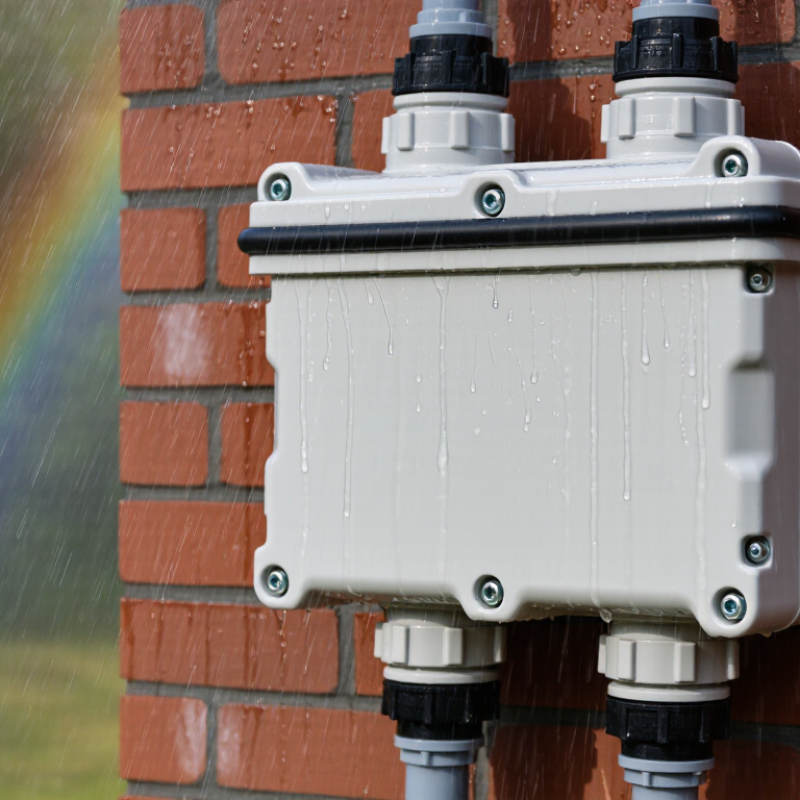
A weatherproof junction box is a protective enclosure for joining and routing electrical cables. It shields connections from rain, dust, moisture, and accidental impact. Unlike indoor boxes, it uses sealed edges and stronger materials for exposed locations. The term weatherproof needs care. It does not mean completely waterproof in every situation. A Weatherproof Outdoor Junction Box must match the site’s exposure, installation method, and required ingress protection level.

Construction usually combines UV-resistant polymer, coated metal, or another durable enclosure material. A fitted gasket closes the joint between the cover and base. Cable glands help prevent water entry and reduce pulling force on wires. Stainless or treated screws can limit corrosion around the lid. Inside, terminals or connectors keep conductors organized and separated. Small details matter here. A damaged gasket can defeat an otherwise strong enclosure.

Its core function is electrical protection. It helps maintain insulation, supports reliable cable connections, and limits contact with moisture or dust. In practical inspections, loose glands and over-tightened screws often cause problems. The box itself may be sound, but installation can still fail. That point deserves attention. Check the enclosure’s test documentation, cable compatibility, and mounting position. Follow the installation instructions, and use qualified electrical support where required. Regularly inspect seals for cracking, distortion, or trapped water.

How IEC 60529 IP Ratings Measure Dust and Water Protection

Why Choose a Weatherproof Junction Box?

A weatherproof junction box protects connections from dust, rain, and accidental water exposure. Its real performance depends on the IP code, not on words like “sealed” or “outdoor-rated.” According to IEC 60529:2013+A1:2017, the first digit measures solid-particle protection from 0 to 6. An IP6X enclosure is dust-tight after testing. That matters near cement dust, metal filings, or dry soil.

The second digit measures water protection from 0 to 8 under IEC 60529. IPX4 resists splashing water from every direction. IPX5 withstands water jets, while IPX7 covers temporary immersion up to one metre for 30 minutes. IPX8 requires deeper or longer immersion conditions specified by the manufacturer. Do not treat IPX7 as automatic IPX8 protection. They test differently. A box marked IP65 can resist dust and water jets, but it is not certified for immersion. ISO 20653:2013 also describes higher-pressure water testing, including IPX9K applications. Field experience adds another warning: damaged cable glands, loose covers, and poor installation can reduce protection dramatically. Even a certified enclosure can fail. Inspect the gasket after installation, tighten fasteners evenly, and avoid drilling unsealed openings. The rating is a test result, not a permanent promise. Weather changes, aging, and maintenance still matter.

Why IP66 Enclosures Resist Powerful Water Jets in Outdoor Installations

Why Choose a Weatherproof Junction Box?

Outdoor wiring faces rain, dust, cleaning sprays, and sudden temperature changes. An IP66 enclosure helps protect connections from powerful water jets. It is also dust-tight when properly closed. This matters near gardens, workshops, rooftops, and exposed service areas.

During outdoor inspections, I look closely at the lid gasket and cable entries. A damaged seal can defeat the enclosure’s rating. The box may appear secure, yet water can travel through a loose gland. Small details matter. Very much.

A Weatherproof Outdoor Electrical Junction Box should be installed on a firm, stable surface. Cables need suitable glands, correct diameters, and careful tightening. Over-tightening may crush the gasket. Under-tightening may leave a narrow path for water. I once assumed a sealed lid guaranteed protection, but uneven mounting proved otherwise.

IP66 protection does not mean unlimited immersion. It resists strong water jets, not every flooding condition. Installers should check the local environment, drainage, and maintenance access. After installation, inspect the seal for pinching and confirm that the cover closes evenly. A practical test with controlled spray can reveal weaknesses, although it should not replace the manufacturer’s certified rating or electrical inspection.

Why Choose a Weatherproof Junction Box?

Why IP66 Enclosures Resist Powerful Water Jets in Outdoor Installations

An IP66 enclosure is tested against powerful water jets at a flow rate of approximately 100 liters per minute, compared with approximately 12.5 liters per minute for the IPX5 water-jet test. This higher test intensity helps demonstrate why IP66 junction boxes are suitable for exposed outdoor installations where heavy rain, cleaning processes, and directed water spray may occur. The ratings and test conditions are based on IEC 60529.

Reference: IEC 60529 ingress protection test classifications. Flow rates are nominal test values.

NEMA 4X Standards for Corrosion Resistance and Harsh Environments

Why Choose a Weatherproof Junction Box?

NEMA 4X protection matters where moisture, dust, and corrosion meet. NEMA 250 defines Type 4X enclosures for indoor and outdoor use. They resist windblown rain, splashing water, hose-directed water, and external ice formation. The added X also requires protection against corrosion. This suits coastal panels, food-processing areas, wastewater sites, and outdoor control cabinets.

NACE International’s IMPACT study estimated global corrosion costs at about 3.4% of worldwide gross domestic product. That figure shows why enclosure materials and sealing details deserve attention. A junction box near salt air may develop corrosion around fasteners, hinges, or cable entries. Small gaps matter. Very much.

In field installations, technicians should inspect gaskets, threaded hubs, drain fittings, and unused openings. A NEMA 4X rating does not make every installation permanently waterproof. Incorrect torque can deform a gasket. Harsh cleaners can also attack certain plastics or seals. The rating is useful, but it is not magic. Specification sheets, compatibility checks, and periodic inspection remain necessary.

Even experienced installers sometimes overlook condensation inside a sealed box. Dawning temperature changes can create hidden moisture, especially when conduit runs between warm and cold zones.

UV Stability, Temperature Cycling, and Long-Term Material Performance

Why Choose a Weatherproof Junction Box?

Outdoor electrical connections face more than rain. Sunlight, heat, frost, and sudden temperature changes slowly test every enclosure. Weatherproof Electrical Junction Boxes help protect cable joints from moisture, dust, and physical exposure. In field installations, a box may sit against a south-facing wall for years. Its surface can become hot enough to weaken poor materials.

UV stability matters because ultraviolet radiation can make plastic brittle. Small cracks often appear around screw holes and cable entries. A stable enclosure should retain its strength and seal after prolonged sunlight. Look for materials tested for outdoor exposure, not simply labeled “weatherproof.” Labels can be helpful. They are not the whole inspection.

Temperature cycling creates another hidden problem. A box expands during a hot afternoon and contracts at night. Repeated movement can loosen seals or stress entry points. Good designs use durable gaskets, secure covers, and compatible cable glands. Installation quality still matters. An uneven surface may compromise an excellent seal. I have seen minor alignment errors cause major moisture issues later. That detail is easy to overlook.

Long-term material performance includes impact resistance, corrosion behavior, and seal flexibility. Check the enclosure after extreme weather, especially near hinges and fasteners. Replace damaged components promptly. No outdoor box remains perfect forever. The honest question is how well it performs after years of ordinary neglect. A reliable enclosure reduces maintenance, but it cannot correct poor routing, overfilled compartments, or careless tightening.

How Sealing, Cable Glands, and Drainage Prevent Moisture Failure

Why Choose a Weatherproof Junction Box?

A Weatherproof Box protects electrical connections from rain, condensation, dust, and sudden temperature changes. Moisture failure rarely arrives dramatically. It often begins with a damp terminal, a green wire, or a small corrosion mark. Rain can enter through the lid, cable openings, or poorly sealed screw points. Trapped water then creates unstable connections, insulation damage, and unexpected downtime.

A reliable seal begins with a correctly fitted lid gasket. The gasket must sit evenly, without twists, cuts, or dirt beneath it. Cable glands are equally important because they seal around each cable while reducing movement. Select glands that match the cable diameter and enclosure opening. Tighten them firmly, but avoid crushing the cable jacket. That detail is easy to overlook. Small gaps can defeat an otherwise strong enclosure.

Drainage provides another layer of protection when condensation forms inside the box. A suitable drain point at the lowest area can release water before it reaches terminals. However, drainage should not become an excuse for poor sealing. During field inspections, I have seen boxes installed level, even when water naturally collected at one corner. The fix was simple: improve the mounting angle, check the gasket, and inspect every gland. Perfect installation is not always realistic. Regular checks remain necessary, especially after heavy rain, vibration, or cable replacement.

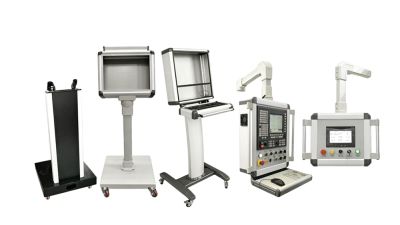
Rittal-Style Aluminum Cantilever Enclosures: Arm Systems, Control Boxes & 2024 Grand View Research Insights

The 2024 electrical enclosure market analysis from Grand View Research reports that global demand is being supported by factory automation, machine monitoring, and the expansion of industrial control systems. The study estimates the market will continue growing at a steady mid-single-digit compound annual growth rate through 2030, increasing the need for compact, durable, and operator-friendly enclosure solutions. Aluminum cantilever enclosures are well suited to this trend because they combine lightweight construction with reliable protection for HMIs, push buttons, displays, and electrical components.

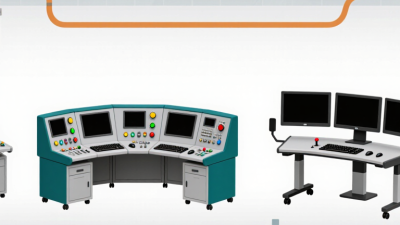
This aluminum cantilever enclosure features a heavy-duty swing arm and support arm system, enabling flexible positioning around production equipment. Operators can adjust the viewing and operating angle to improve access, visibility, and workflow efficiency. Its high-strength aluminum alloy housing offers stable mechanical support, while the IP54 protection level helps shield internal components from dust and water splashes in typical industrial environments. With modular construction, standard mounting dimensions, and straightforward installation, the enclosure can be integrated into machine control stations, processing lines, and automated equipment without extensive modification.

FAQS

What is a weatherproof junction box?

It is an enclosure for joining and routing electrical cables outdoors. It shields connections from rain, dust, moisture, and impacts. Weatherproof does not mean completely waterproof. The box must match the site conditions and protection level.

What materials are commonly used?

Common materials include UV-resistant polymer and coated metal. Durable materials resist sunlight, impacts, and corrosion. Treated screws can protect the cover from rust. Material quality still needs checking.

How does the box prevent water entry?

A gasket seals the joint between the cover and base. Cable glands help close cable openings and reduce pulling force. A damaged gasket can defeat the entire enclosure. Small cracks matter.

Why is UV resistance important?

Sunlight can make weak plastic brittle over time. Cracks may develop around screw holes and cable entries. A suitable enclosure should retain strength after prolonged outdoor exposure. Labels alone are not enough.

How do temperature changes affect the enclosure?

The box expands during hot afternoons and contracts at night. Repeated movement can loosen seals or stress cable entries. Durable gaskets and secure covers help reduce this risk. Temperature cycling is easy to overlook.

Can installation quality affect protection?

Yes, even a strong box can fail after poor installation. Loose cable glands may allow moisture inside. Over-tightened screws can damage the cover or gasket. An uneven mounting surface may weaken the seal.

What should be checked during inspection?

Check the gasket, cable glands, screws, cover alignment, and mounting surface. Look for cracking, distortion, corrosion, or trapped water. Confirm cable compatibility and test documentation. I might miss small damage without regular checks.

How long can an outdoor junction box remain reliable?

Service life depends on sunlight, temperature, moisture, impacts, and installation quality. Inspect the box after severe weather and replace damaged parts promptly. No enclosure stays perfect forever. Maintenance reduces problems, but cannot fix careless routing or overfilled compartments.

Conclusion

A Weatherproof Junction Box is designed to protect electrical connections from dust, water, impact, and demanding outdoor conditions. Its enclosure, cover, gasket, and cable entry system work together to maintain a secure barrier around wiring and terminals. IEC 60529 IP ratings explain the level of protection provided against solid particles and moisture, while an IP66-rated enclosure can resist powerful water jets from multiple directions, making it suitable for exposed installations.

For harsher environments, NEMA 4X requirements emphasize protection against corrosion as well as rain, splashing water, and windblown dust. Long-term reliability also depends on UV-stable materials that can withstand sunlight, repeated temperature changes, and seasonal expansion or contraction without becoming brittle or deformed. Proper sealing, correctly fitted cable glands, and effective drainage help prevent trapped moisture, condensation, and water-related electrical failure. Together, these features improve safety, service life, and performance in outdoor and industrial applications.
Amara

Amara

Amara is a dedicated marketing professional at a leading manufacturing enterprise specializing in the integration of research and development, production, and sales within the electrical equipment industry. With a strong focus on creating high-quality, customized, and reliable sheet metal cabinets,......
Previous What Are the Top Industrial Control Console Types in 2026?