Why Electric Panel Boxes Are the Backbone of Emergency Preparedness
From natural disasters to industrial accidents, a reliable electric panel box is the first line of defense in any emergency power management strategy.
When emergencies strike — whether a category-5 hurricane, a major industrial fire, a grid blackout, or a critical infrastructure failure — the integrity of your electrical distribution system determines whether operations survive or collapse. The electric panel box, often underestimated in day-to-day operations, becomes the single most critical component in emergency preparedness planning. It governs how power is received, distributed, protected, and restored across every connected system.
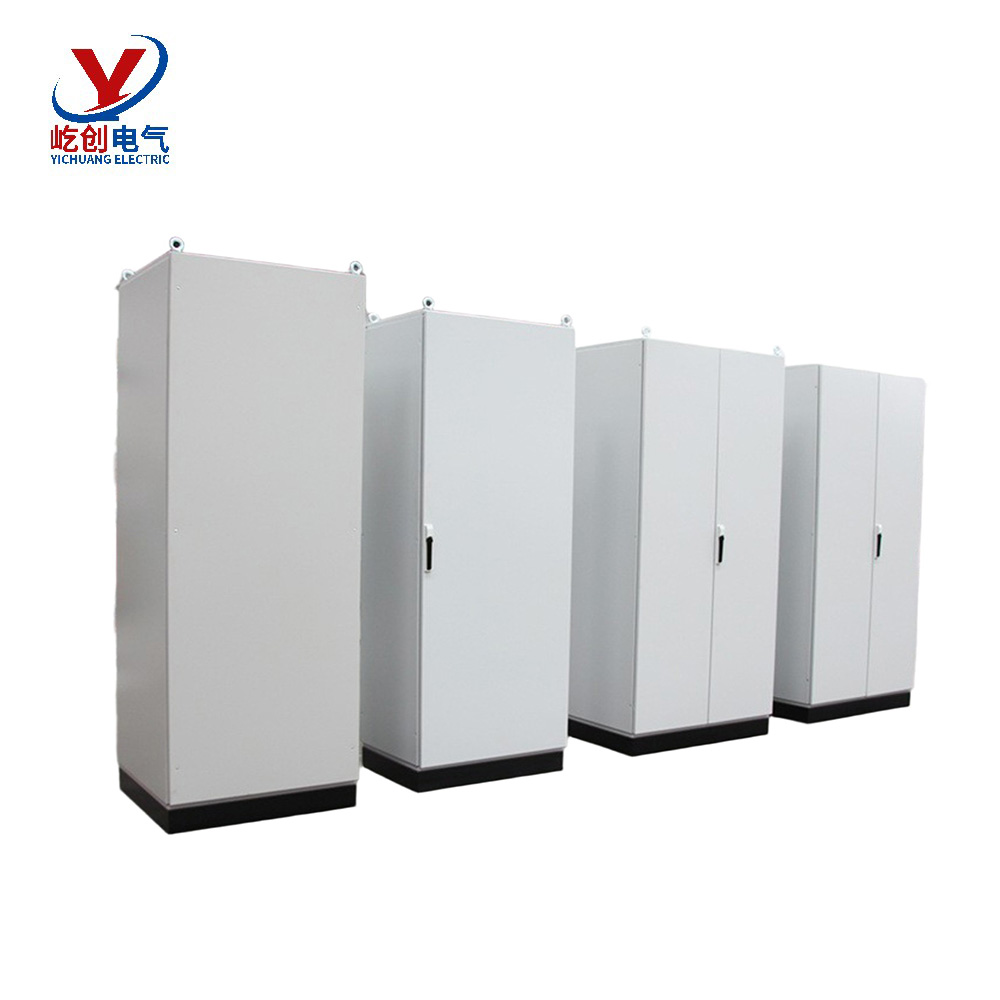
Modern emergency preparedness frameworks — from FEMA guidelines to ISO 22301 Business Continuity standards — increasingly emphasize the role of hardened, purpose-built electrical enclosures. Industrial facilities, hospitals, data centers, military installations, and smart city infrastructure all depend on electric panel boxes that can perform flawlessly under extreme mechanical, thermal, and environmental stress.
This guide explores the commercial and industrial landscape of electric panel boxes for emergency prep, examines emerging technology trends reshaping the market, and provides deep-dive application scenarios that illustrate why choosing the right enclosure solution is a strategic imperative — not just a procurement decision.
The Commercial & Industrial Landscape
The global market for industrial electrical enclosures and panel boxes is experiencing robust growth, driven by accelerating infrastructure investment, the global energy transition, and heightened awareness of disaster resilience. According to industry analysts, the electrical enclosure market is projected to exceed $12 billion USD by 2028, with emergency-grade and ruggedized variants representing the fastest-growing segment.
Key demand drivers include:
-
Grid modernization projects across North America, Europe, and Asia-Pacific, requiring upgraded distribution panel infrastructure capable of integrating renewable energy and smart grid technologies.
-
Industrial automation expansion in manufacturing, logistics, and process industries, where unplanned downtime costs can exceed $250,000 per hour — making emergency-ready panel boxes a critical investment.
-
Rising frequency of extreme weather events, compelling facility managers to upgrade standard enclosures to IP66/IP67-rated or NEMA 4X-certified emergency panel boxes.
-
Data center proliferation, where Tier III and Tier IV facilities mandate redundant, fault-tolerant electrical distribution systems housed in precision-engineered enclosures.
-
Defense and public safety sector investment, including military base hardening, emergency command centers, and critical communication infrastructure — all requiring MIL-SPEC or equivalent panel box solutions.
Key Features of Emergency-Grade Electric Panel Boxes
🛡️
IP66 / NEMA 4X Protection
Full dust-tight and waterproof sealing ensures reliable operation in floods, heavy rain, chemical splash, and outdoor emergency deployments.
🔥
High-Temperature Thermal Management
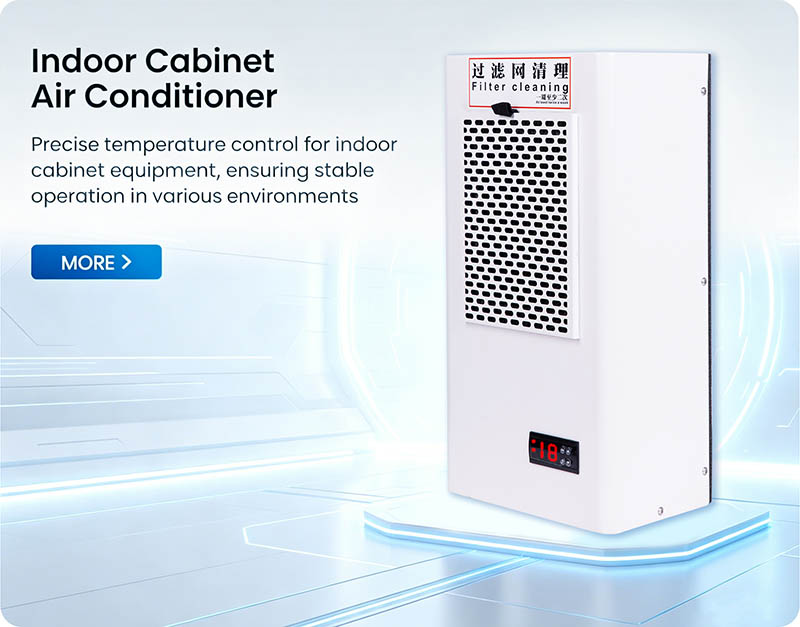
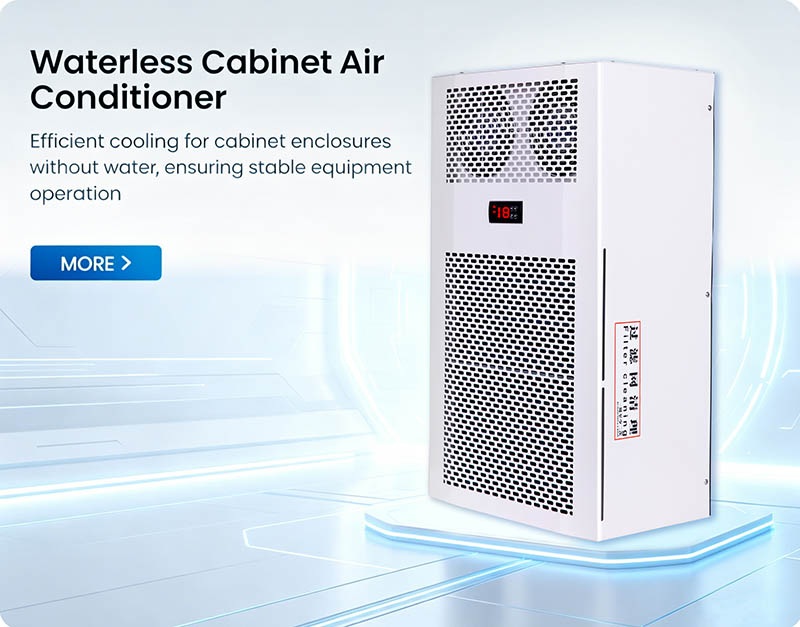
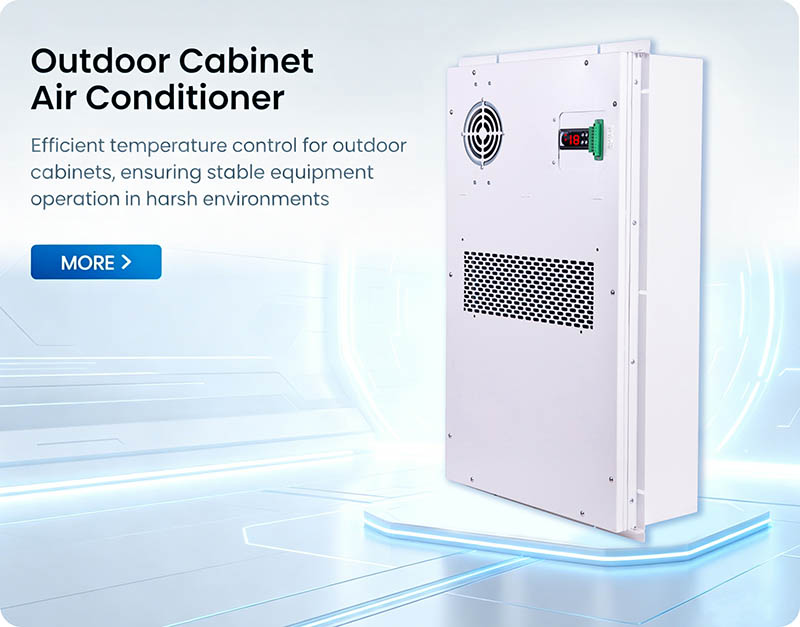
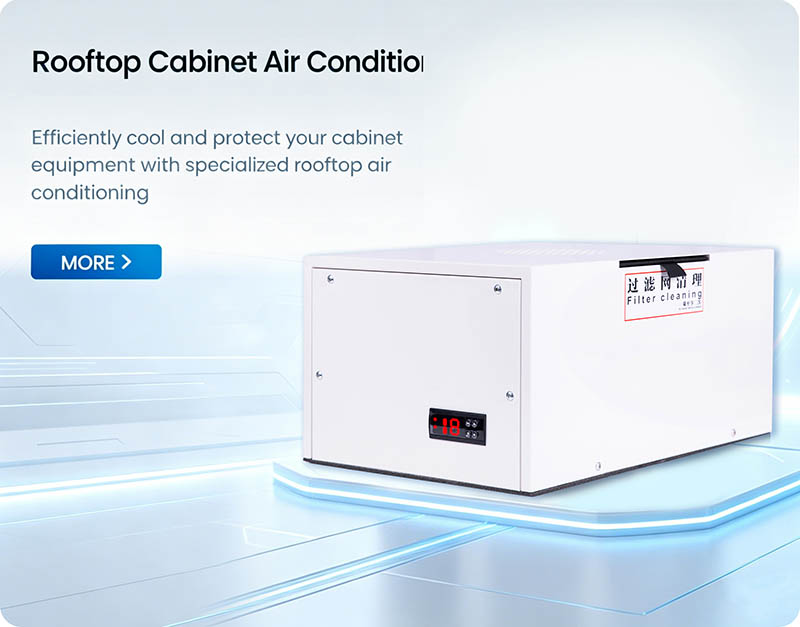
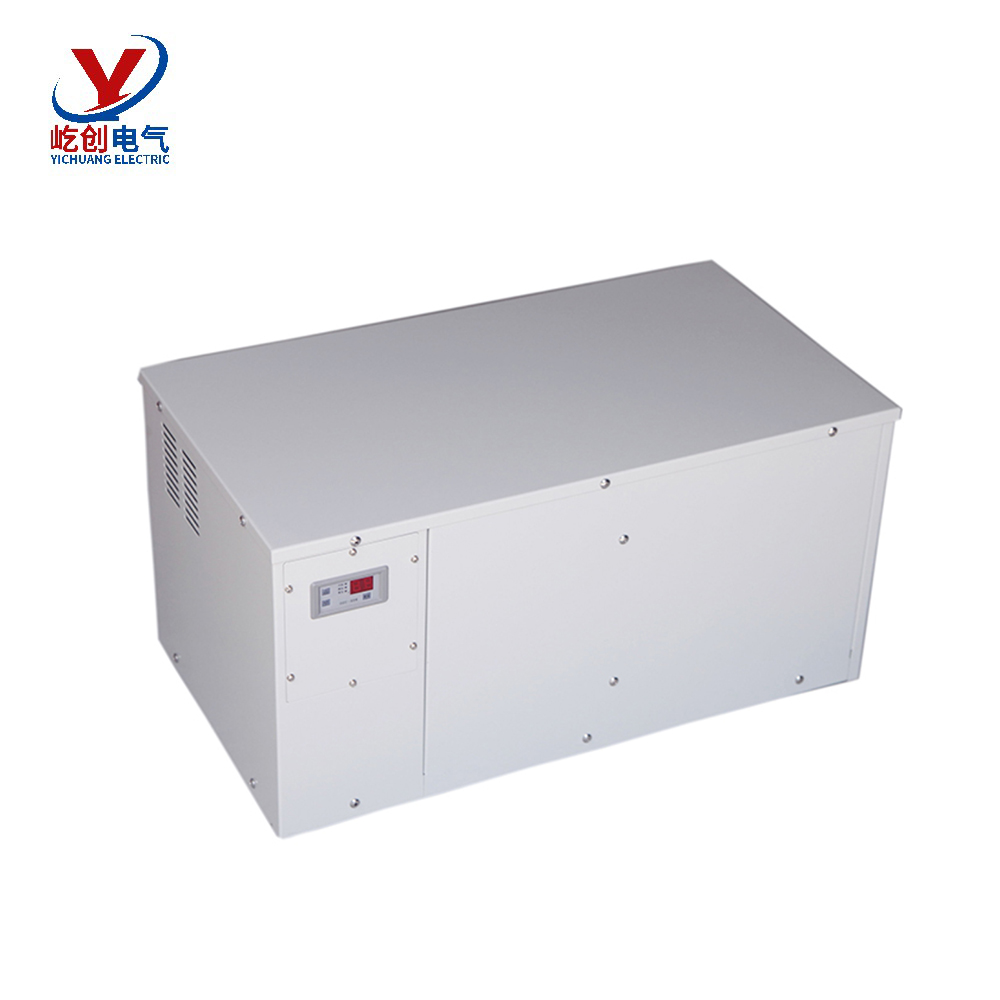
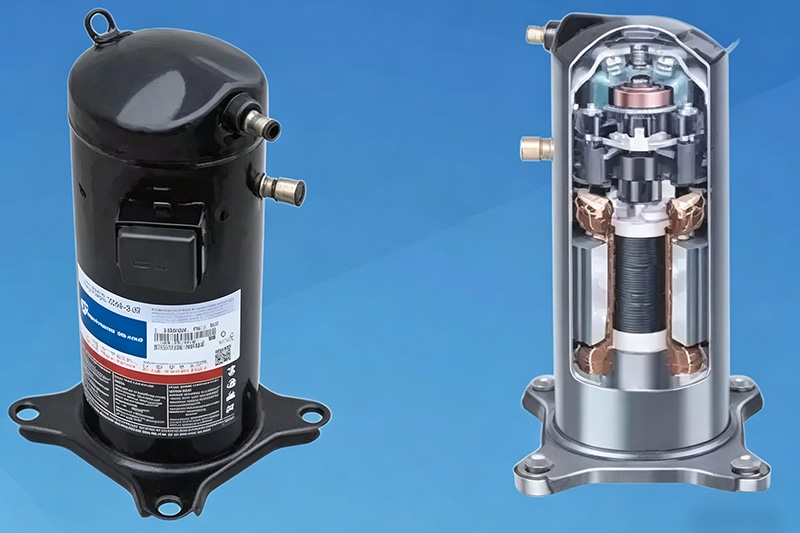
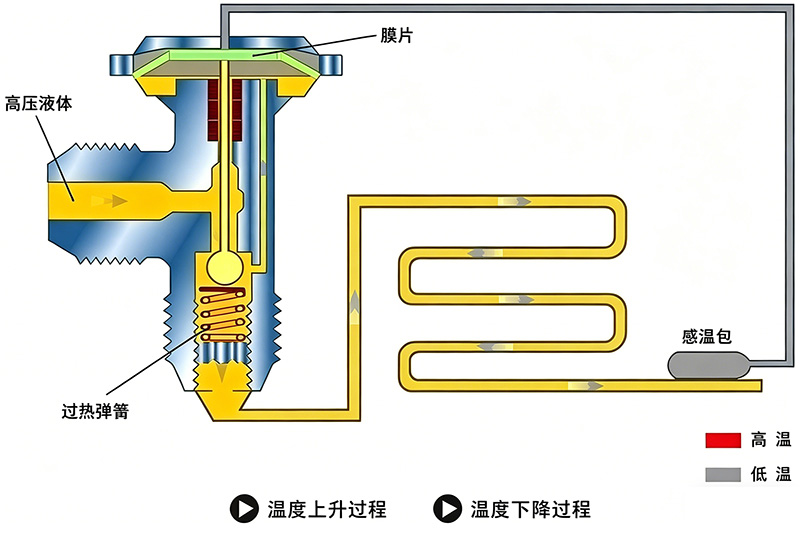
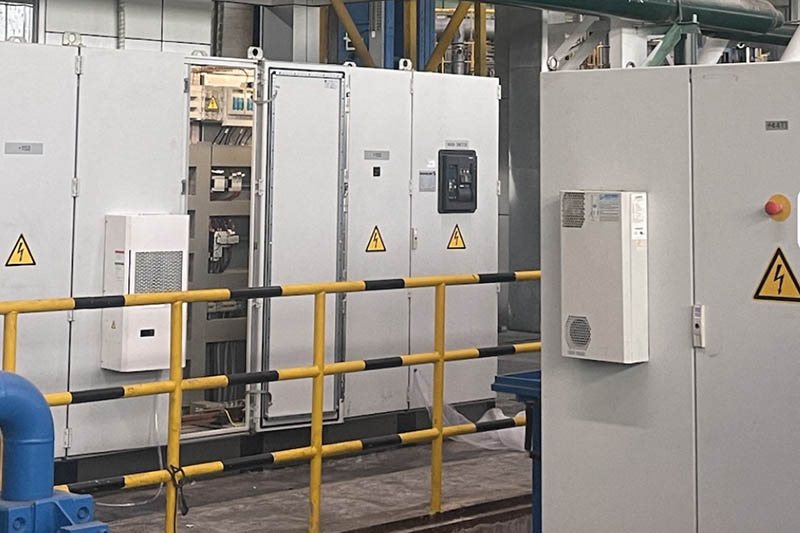
Integrated industrial air conditioning and heat exchanger systems maintain optimal internal temperatures even in extreme ambient conditions up to 55°C.
⚡
Rapid Deployment Architecture
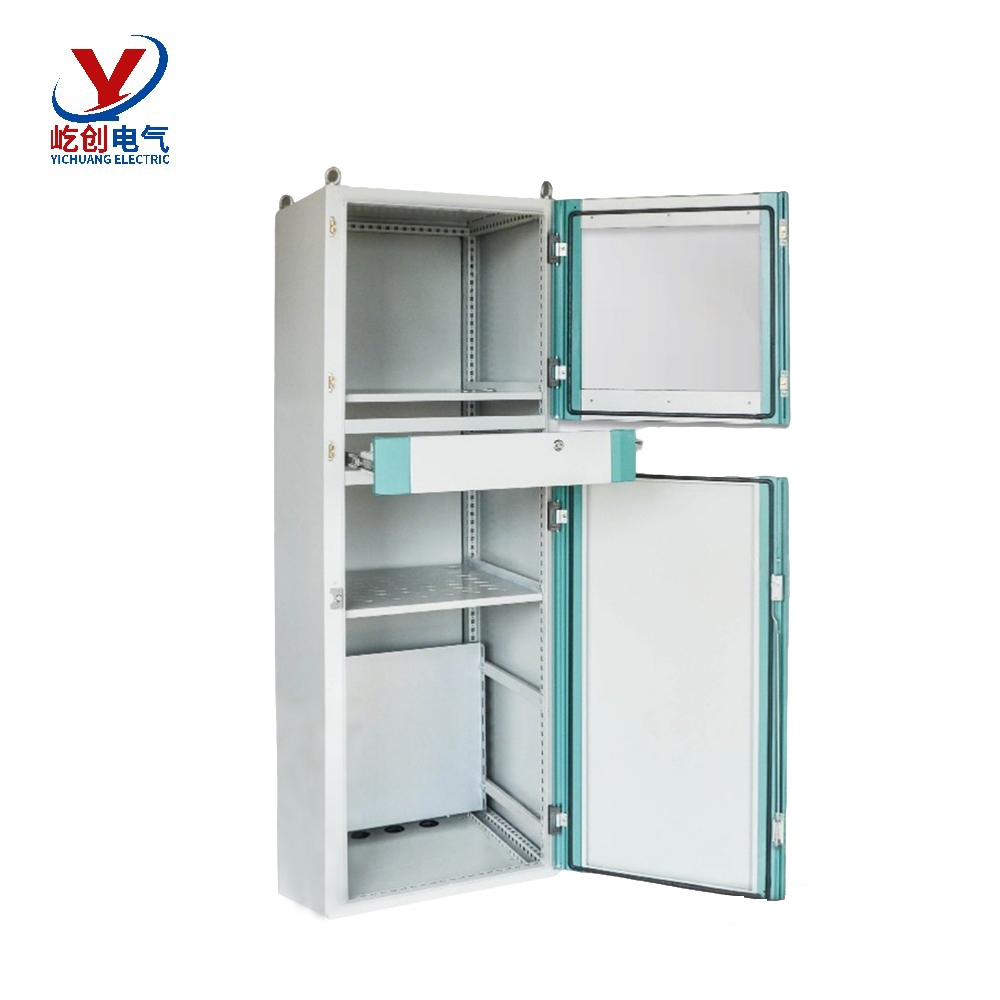
Modular, pre-wired panel box designs enable on-site assembly in under 60 minutes — critical for emergency response timelines.
🔒
Arc Flash & Surge Protection
Built-in arc flash containment, surge protective devices (SPDs), and fault isolation technology prevent cascade failures during grid disturbances.
📡
Smart Monitoring Integration
IoT-enabled panel boxes with real-time energy monitoring, remote diagnostics, and automated fault alerts via SCADA or cloud platforms.
🏗️
Structural Seismic Resistance
Heavy-gauge steel and aluminum construction with anti-vibration mounting systems certified for seismic zone applications and industrial shock loads.
Development Trends Shaping Emergency Panel Box Technology
🤖 AI-Driven Predictive Maintenance
Next-generation electric panel boxes are being equipped with embedded AI processors that continuously analyze thermal signatures, current harmonics, and insulation resistance to predict failures before they occur — a game-changer for emergency preparedness planning. Facilities can now receive 72-hour advance warnings of potential panel failures, allowing proactive intervention rather than reactive crisis management.
🌱 Green & Sustainable Enclosure Design
Environmental regulations and ESG mandates are driving the adoption of recyclable aluminum enclosures, low-GWP refrigerant cooling systems (R134a, R290), and energy-efficient LED status indicators. Emergency panel boxes designed for LEED-certified facilities must balance ruggedization with environmental responsibility — a challenge that leading manufacturers are meeting through innovative material science.
⚡ Microgrid & Distributed Energy Integration
As organizations deploy on-site solar, battery storage, and backup generators for energy resilience, electric panel boxes must evolve to manage bidirectional power flows, automatic source transfer (ATS), and islanding protection. The modern emergency panel box is no longer a passive distribution point — it is an active energy management hub capable of seamlessly transitioning between grid, generator, and renewable sources.
📲 Digitalization & Remote Operations
Industry 4.0 and IIoT integration are transforming how emergency panel boxes are monitored and controlled. Cloud-connected enclosures with 5G communication modules allow emergency response teams to assess power system status, remotely operate circuit breakers, and coordinate load shedding from any location — dramatically improving response times during large-scale emergencies.
Deep-Dive Application Scenarios
🏥 Critical Healthcare Facilities
Hospitals and emergency medical centers operate under zero-tolerance power reliability standards. Life support systems, surgical suites, ICU equipment, and medical imaging devices cannot tolerate even a millisecond of unplanned power interruption. Emergency electric panel boxes in healthcare settings must comply with NFPA 99 and IEC 60364-7-710 standards, providing automatic transfer switching within 10 seconds, isolated power systems for wet locations, and full arc flash protection. The panel box serves as the central nervous system of the hospital's emergency power supply system (EPSS), coordinating between utility feeds, on-site generators, and UPS systems.
🏭 Industrial Manufacturing & Process Plants
In petrochemical refineries, automotive assembly plants, and food processing facilities, an unplanned electrical shutdown can trigger cascading failures worth millions in lost production, damaged equipment, and safety incidents. Emergency-grade panel boxes in these environments are typically housed in explosion-proof (Ex-rated) or corrosion-resistant stainless steel enclosures, integrated with process control systems via Modbus, Profibus, or Ethernet/IP protocols. The ability to rapidly isolate faults and restore power to critical process lines is directly enabled by the design quality of the electric panel box.
🌐 Data Centers & Telecommunications Infrastructure
Hyperscale data centers processing millions of transactions per second require electrical distribution systems with 99.9999% ("six nines") availability. Emergency panel boxes in these facilities are engineered with N+1 or 2N redundancy, integrated power quality monitoring, and remote racking capabilities. During grid disturbances, the panel box must coordinate seamlessly with static transfer switches (STS), UPS systems, and diesel generator sets — all within sub-cycle response times. The thermal management of the enclosure itself is critical, as the high-density electronics within generate significant heat loads that must be precisely controlled.
🌪️ Disaster Response & Mobile Emergency Command
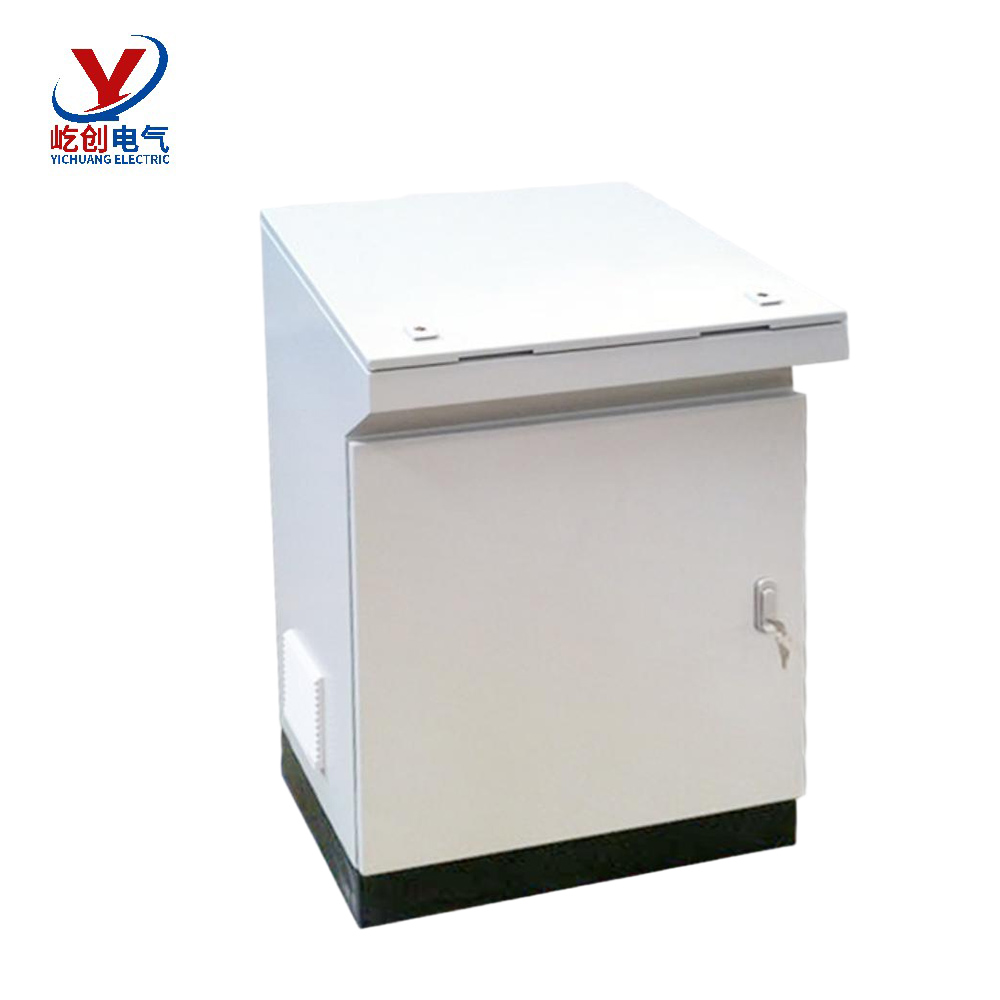
Emergency management agencies, military units, and humanitarian organizations deploy mobile electric panel boxes in temporary command centers, field hospitals, and disaster relief operations. These units must be transportable by air or ground, deployable within minutes, and capable of operating in temperatures ranging from -40°C to +70°C. Ruggedized cantilever control box designs with quick-connect power interfaces, integrated UPS, and satellite communication links are increasingly specified for these applications. The ability to mount control interfaces on articulated swing arms — as offered by Rittal-style aluminum cantilever enclosure systems — provides operators with ergonomic access in cramped or rapidly configured field environments.
🔋 Renewable Energy & Battery Storage Systems
Utility-scale solar farms, wind energy installations, and grid-scale battery energy storage systems (BESS) represent one of the fastest-growing application areas for emergency-grade electric panel boxes. These systems must manage high DC voltages (up to 1500V), bidirectional AC/DC conversion, and complex protection coordination across hundreds of parallel strings. The panel box in a BESS installation serves as both the primary protection device and the communications gateway, interfacing with energy management systems (EMS) and grid operators to provide emergency frequency response and voltage support services.
🏙️ Smart Cities & Critical Public Infrastructure
Traffic management systems, water treatment plants, subway networks, and emergency communication towers all rely on distributed electric panel boxes to maintain continuous operation during power disturbances. Smart city deployments increasingly specify panel boxes with integrated cybersecurity features — including encrypted communications, intrusion detection, and hardware security modules (HSMs) — to protect critical infrastructure from both physical and cyber threats. The outdoor electric panel box for these applications must withstand vandalism, extreme weather, and electromagnetic interference while maintaining continuous remote monitoring capability.

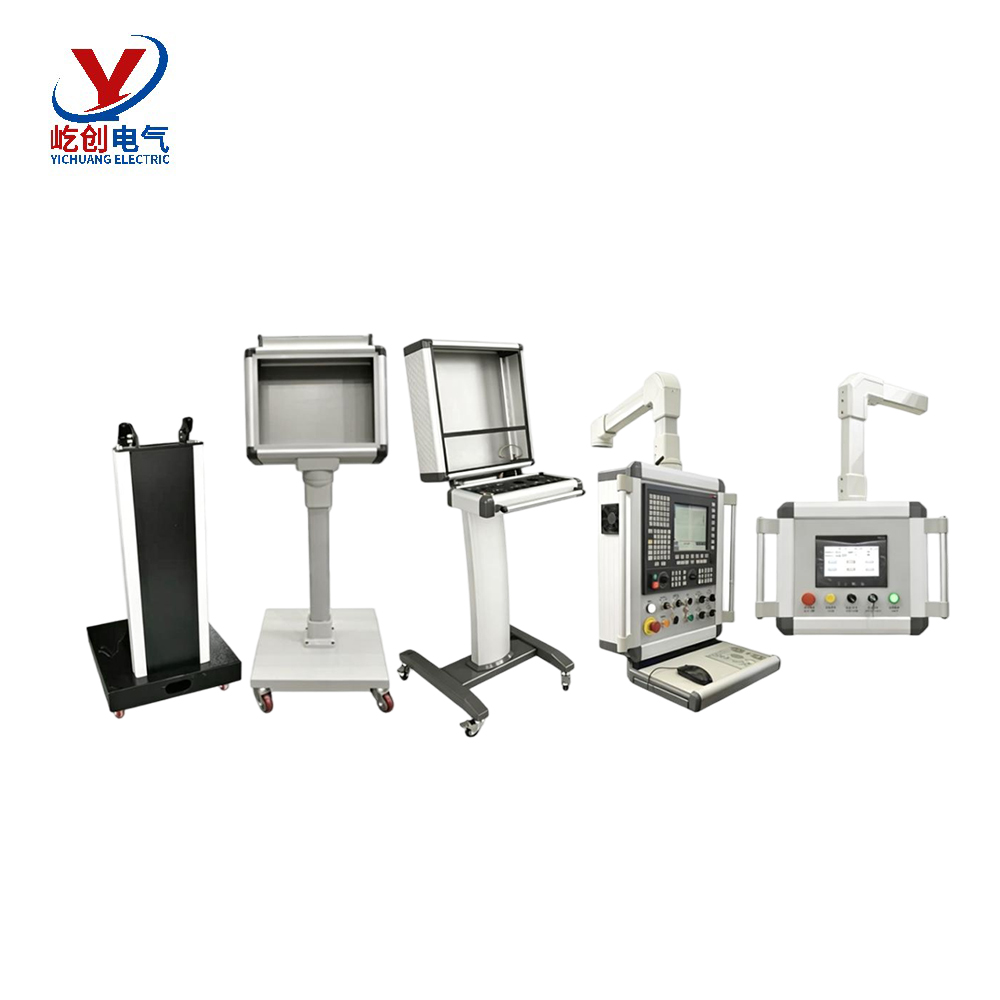 Rittal-Style Aluminum Cantilever Enclosure | Arm System & Swing Arm Control Box
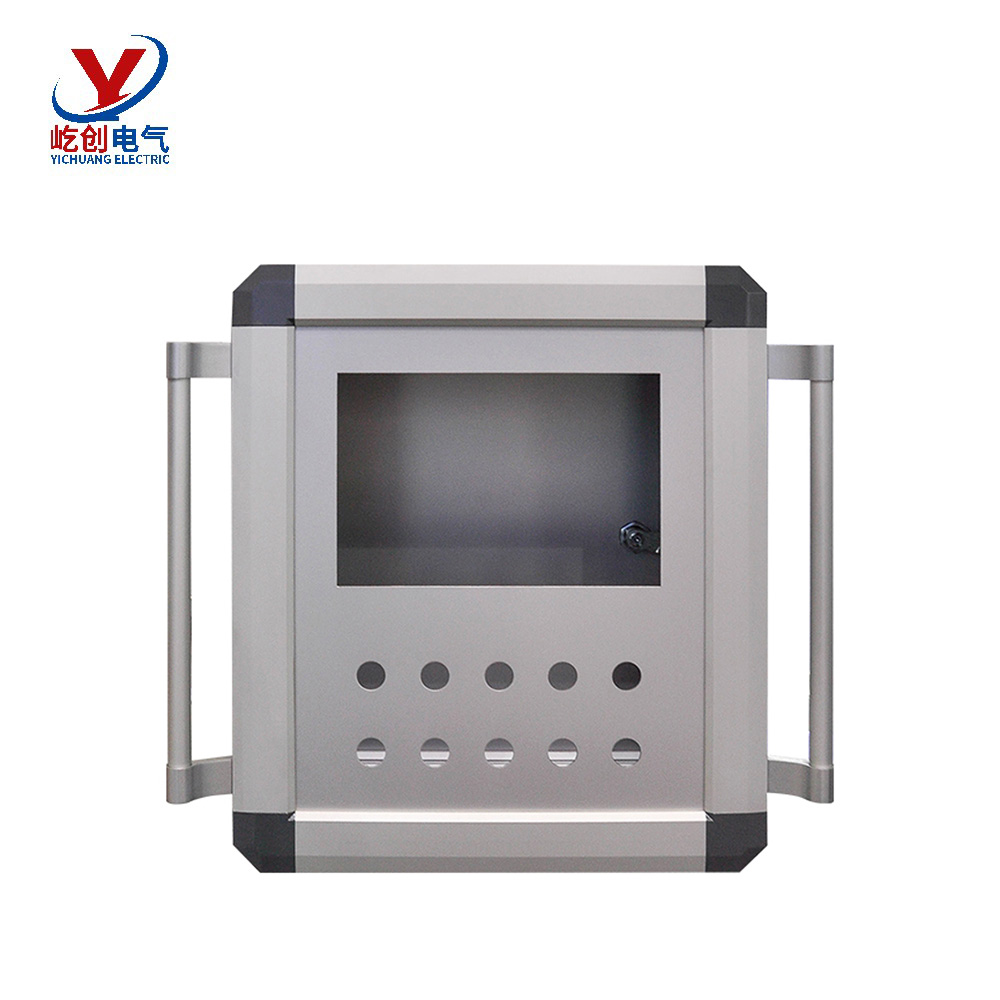 Cantilever Control Box – Industrial Cantilever Operation Box