Inquiry
Form loading...
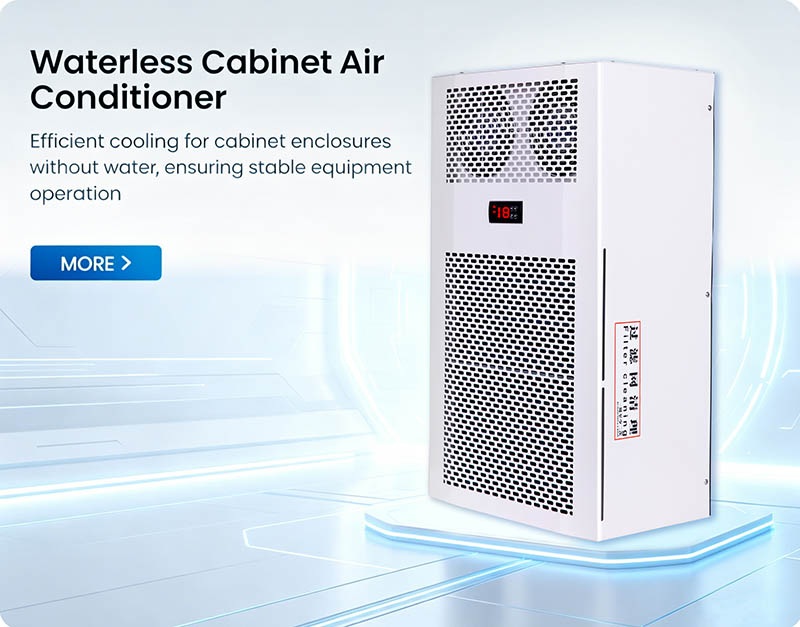
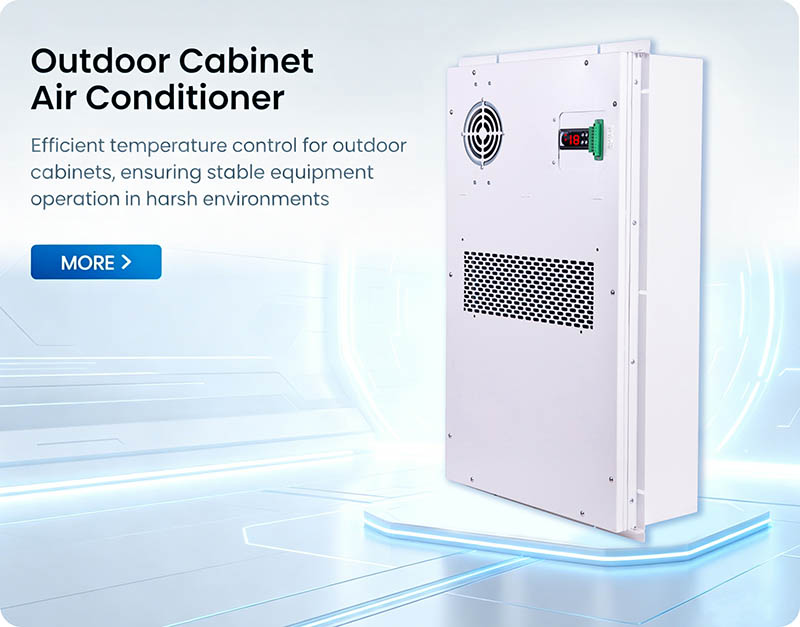
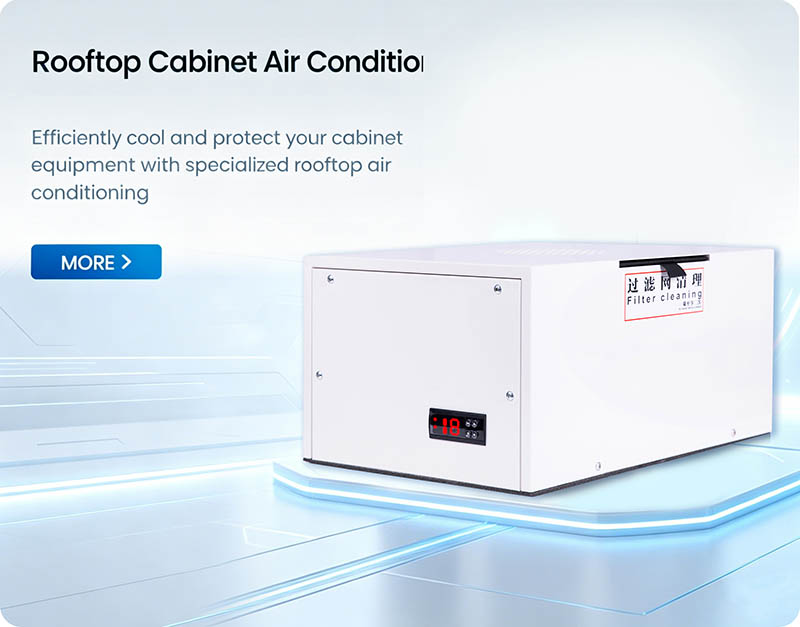
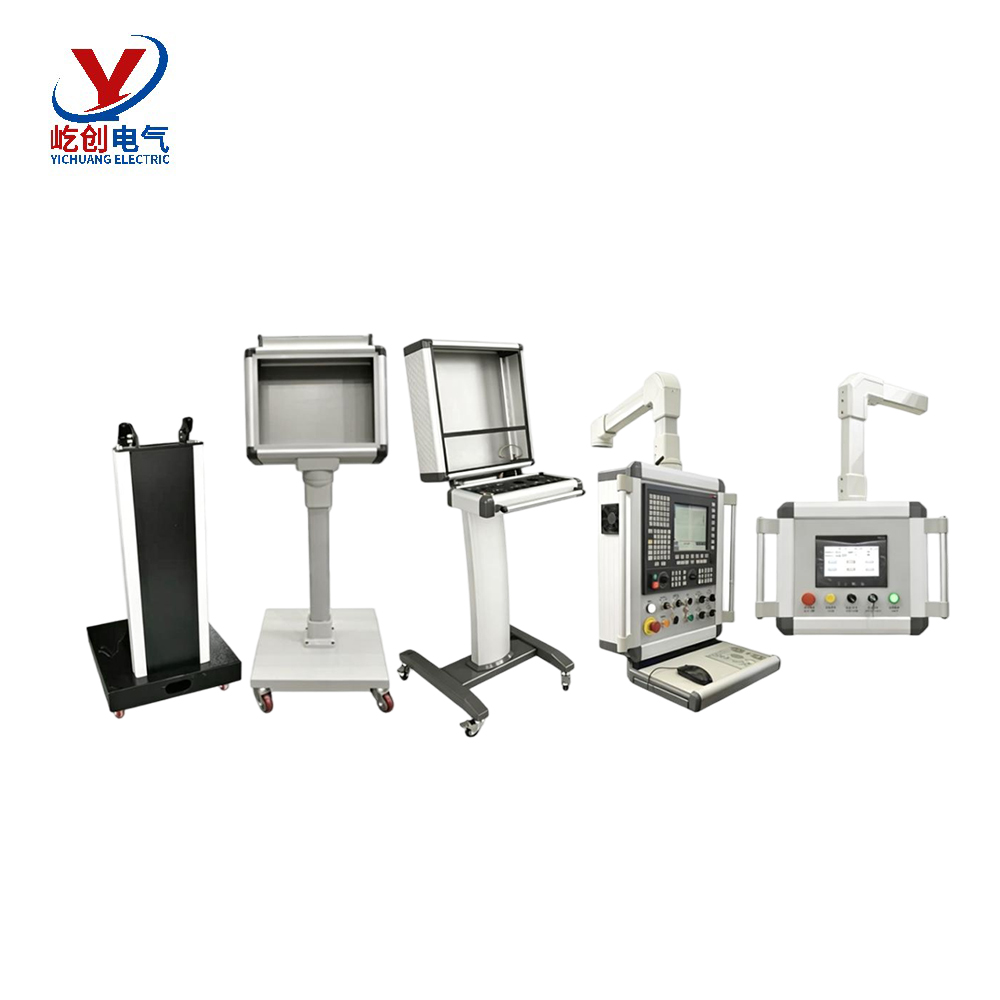
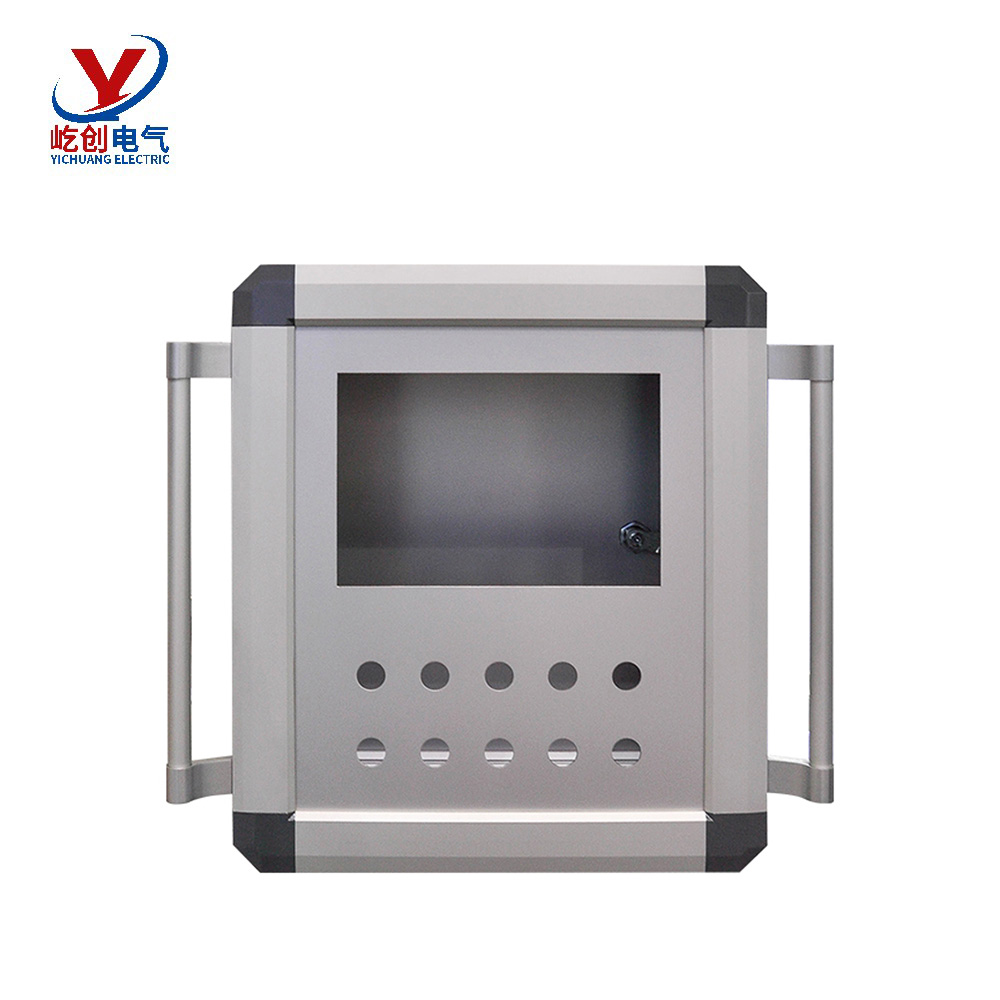
Electronic housings for home labs represent a rapidly growing segment at the intersection of professional-grade industrial enclosures and the maker, hobbyist, and small-scale R&D communities. These specialized enclosures serve as the protective and organizational backbone for electronics projects, ranging from DIY automation systems and PCB prototyping setups to fully equipped home-based engineering workstations.
Unlike generic plastic project boxes, modern electronic housings engineered for home lab use incorporate the same robust sheet metal fabrication techniques, precision tolerances, and thermal management solutions found in full-scale industrial deployments. The result is a product category that bridges the gap between professional infrastructure and accessible, customizable design.
The global electronic enclosures market was valued at over USD 7.2 billion in 2023 and is projected to exceed USD 11 billion by 2030, driven by Industry 4.0 adoption, smart manufacturing, and the surge in home-based engineering labs. Demand for compact, customizable housings with integrated thermal management is growing at a CAGR of approximately 6.8%, with Asia-Pacific leading production volume.
In commercial settings, electronic housings are mission-critical components across sectors including automated manufacturing, telecommunications infrastructure, energy management systems, and transportation control. Industrial buyers demand enclosures that meet stringent IP (Ingress Protection) ratings, EMC shielding requirements, and compliance with standards such as IEC 62208, NEMA 250, and UL 508A.
The industrial enclosure market has seen consolidation around key players offering modular, scalable systems — such as the widely adopted Rittal TS8 and AX/KX series — which have become benchmarks for quality and interoperability. Chinese manufacturers, including Suzhou-based specialists, have made significant strides in producing Rittal-compatible enclosures at competitive price points without compromising on structural integrity or finish quality.
For home labs, the commercial landscape is evolving just as rapidly. The proliferation of single-board computers (SBCs), programmable logic controllers (PLCs) for home automation, high-density battery storage systems, and multi-channel sensor arrays has created genuine demand for proper enclosure solutions that were previously only available to industrial buyers at prohibitive minimum order quantities.
Modern enclosures increasingly feature pre-drilled cable management channels, integrated DIN rail mounting, and provisions for IoT gateway modules — enabling seamless connectivity in both home lab and industrial deployments.
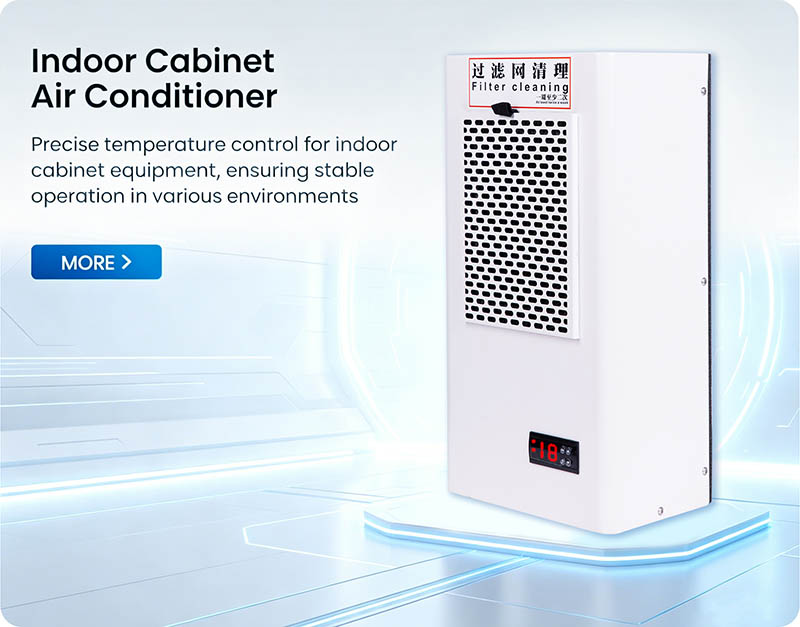
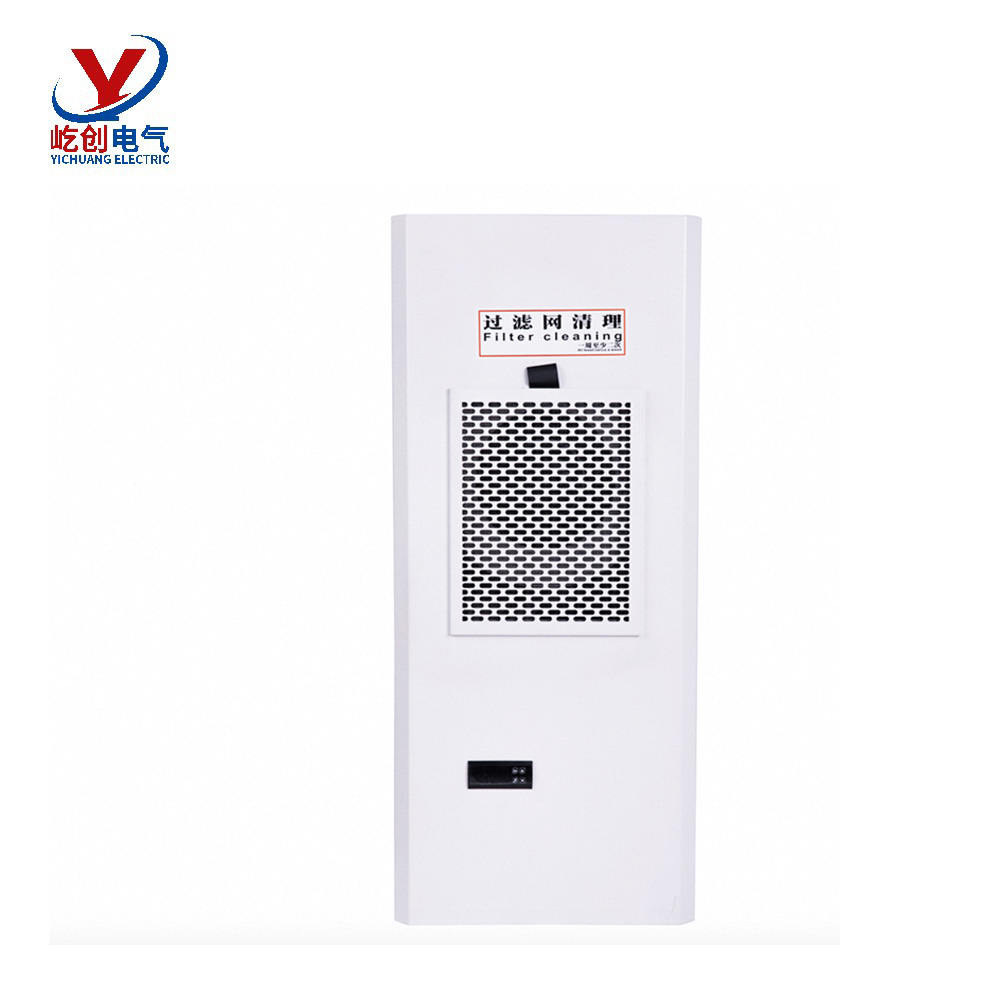
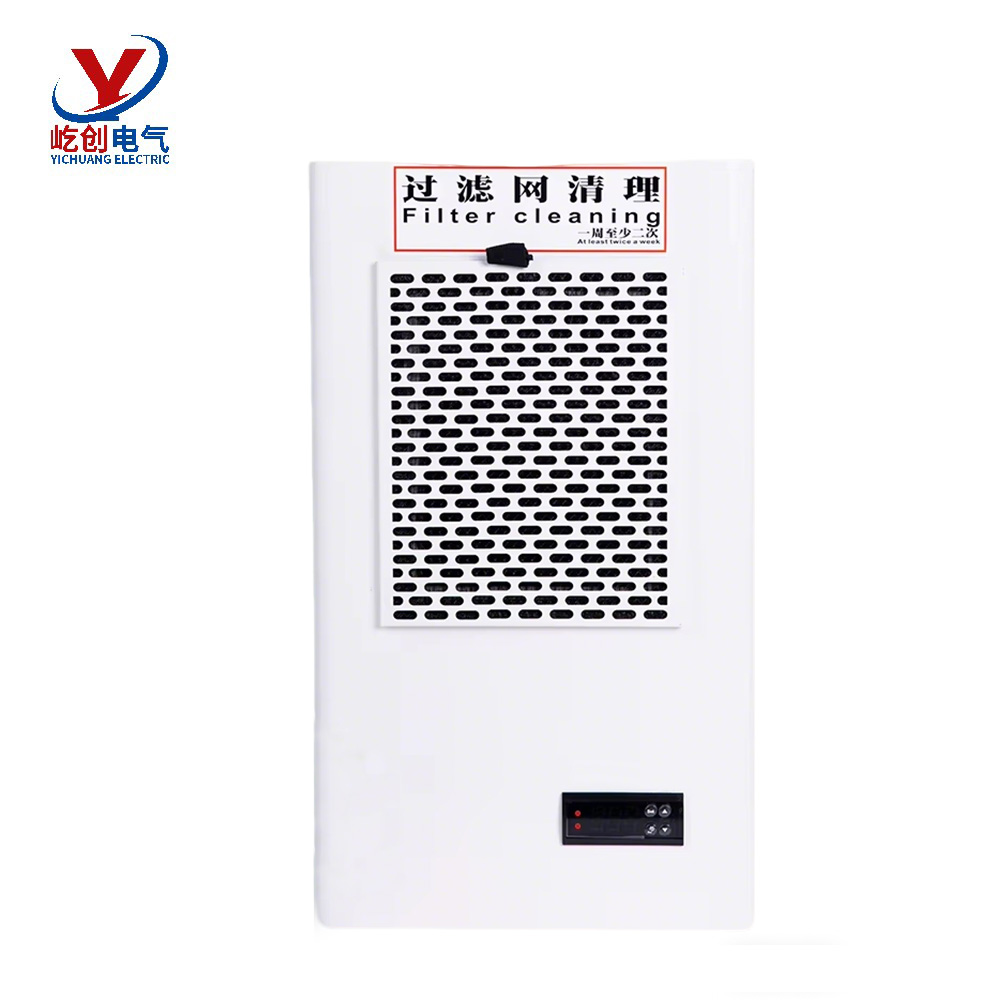
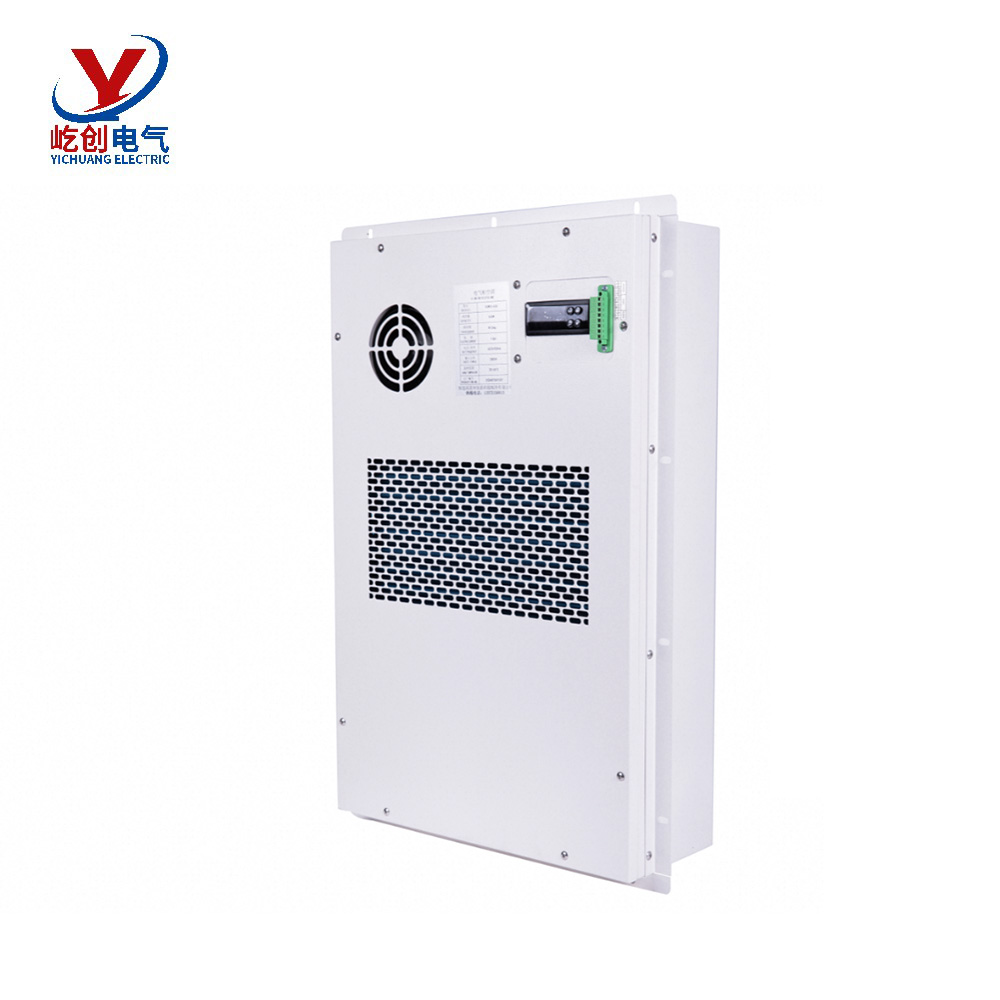
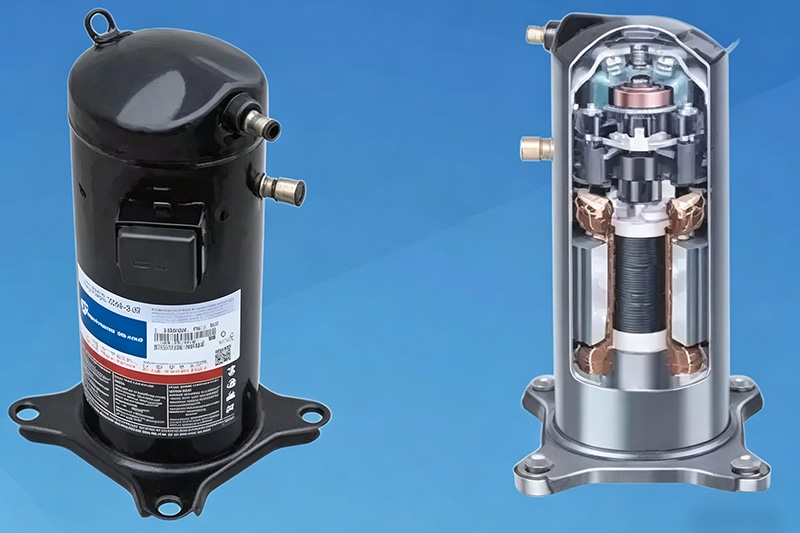
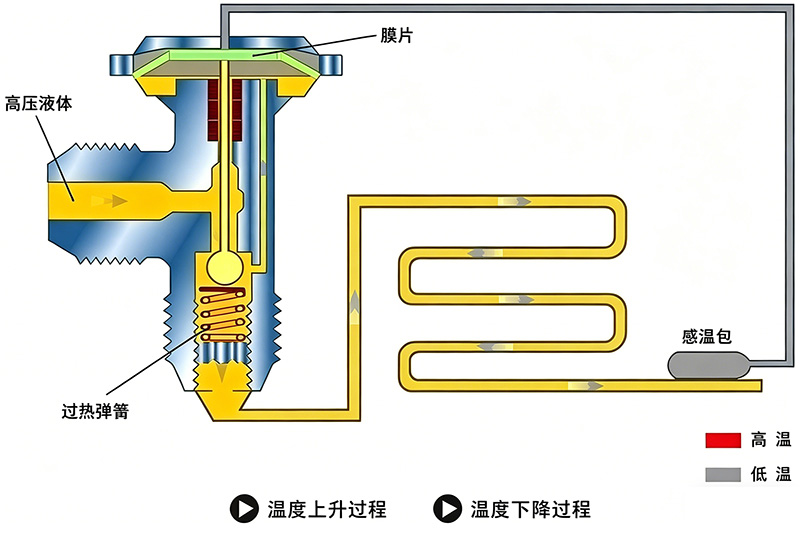
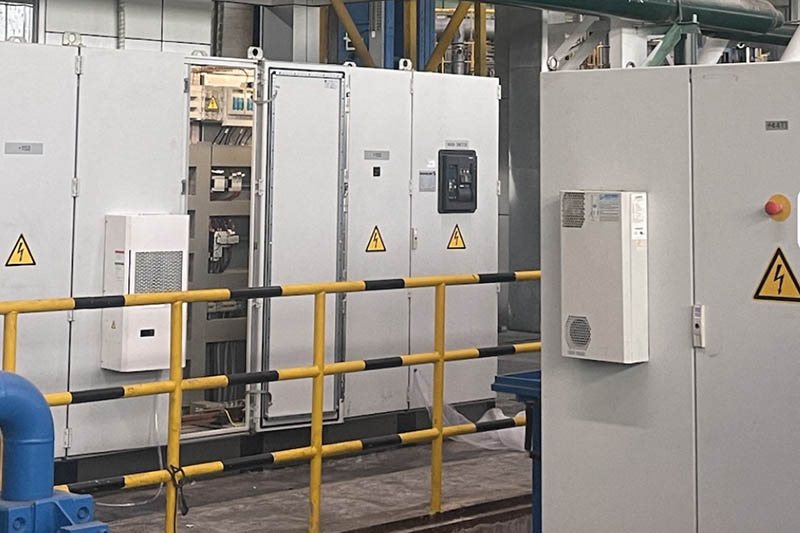
As component density rises, active cooling via integrated cabinet air conditioners (300W–3000W) and intelligent thermostat controllers is becoming standard, protecting sensitive electronics from heat-induced failure.
Electrostatic powder coating, recyclable cold-rolled steel, and energy-efficient production processes are reshaping how enclosures are manufactured, aligning with global ESG commitments and green lab initiatives.
Configurable mounting panels, adjustable cable entries, and interchangeable door styles allow home lab users and industrial engineers alike to tailor enclosures precisely to their project requirements.
With electromagnetic interference increasingly affecting sensitive lab equipment, enclosures with continuous EMC gasket sealing and IP55/IP66 ratings are becoming the baseline expectation for professional home lab setups.
Space-constrained home labs are driving demand for wall-mount, desktop, and cantilever-arm enclosure formats that maximize usable workspace while maintaining full industrial-grade protection standards.
The application scope of electronic housings in home lab environments is far broader than most users initially realize. Below, we explore the most significant and technically demanding use cases where proper enclosure selection makes a measurable difference in performance, safety, and longevity.
Hobbyists and engineers building whole-home automation systems require enclosures that can safely house 24V DC power supplies, multiple relay modules, PLC units, and wiring terminals. Sheet metal housings with DIN rail mounting, organized cable management, and lockable doors provide the professional infrastructure that plastic enclosures simply cannot match.
Electronic housings for home labs serve as shielded development environments for RF-sensitive projects, high-frequency oscillator circuits, and EMI-susceptible sensor arrays. A properly grounded steel enclosure can reduce radiated emissions by 20–40 dB, enabling accurate measurements that would otherwise be corrupted by ambient interference.
Home-scale lithium battery banks for solar storage and UPS applications require IP-rated, thermally managed enclosures with proper ventilation or active cooling. Industrial-grade housings with integrated air conditioning units ensure battery cells operate within safe temperature ranges, extending cycle life and preventing thermal runaway events.
Home CNC routers and laser cutters generate significant electrical noise from stepper/servo drivers. Dedicated control enclosures with shielded compartments, filtered cable entries, and EMC-compliant construction protect motion controllers and PC interfaces from interference, ensuring precise, repeatable machining performance.
Home lab enthusiasts running virtualization clusters, NAS arrays, or private cloud infrastructure benefit from rack-mount and wall-mount enclosures with structured cabling provisions, airflow management, and acoustic dampening — replicating data center best practices at home scale.
Weather stations, air quality monitors, and multi-sensor IoT gateways deployed in outdoor or semi-outdoor home lab settings require IP65+ enclosures with UV-resistant coatings and stainless steel hardware to withstand environmental exposure while maintaining signal integrity for connected devices.
High-power inverter development, motor drive testing, and power supply design generate significant heat and electrical hazards. Properly rated enclosures with integrated cooling, safety interlocks, and organized busbar compartments are essential for safe, reproducible power electronics experimentation at home.
Centralized security systems incorporating NVRs, access control panels, alarm controllers, and PoE switches benefit from dedicated enclosures that provide organized, tamper-resistant housing — ensuring system reliability and simplifying maintenance in home security applications.
The decision to invest in professional sheet metal enclosures rather than consumer-grade plastic boxes is increasingly justified by the sophistication of modern home lab projects. Industrial housings offer measurable advantages in thermal performance, electromagnetic shielding, structural rigidity, and long-term durability that directly translate into better experimental results, reduced equipment failures, and a safer working environment.
Furthermore, the availability of customized solutions from manufacturers like Suzhou Yichuang Electrical Equipment Co., Ltd. means that home lab users can now access the same quality of enclosure previously reserved for large-scale industrial buyers — with flexible minimum order quantities, OEM customization options, and comprehensive technical support.


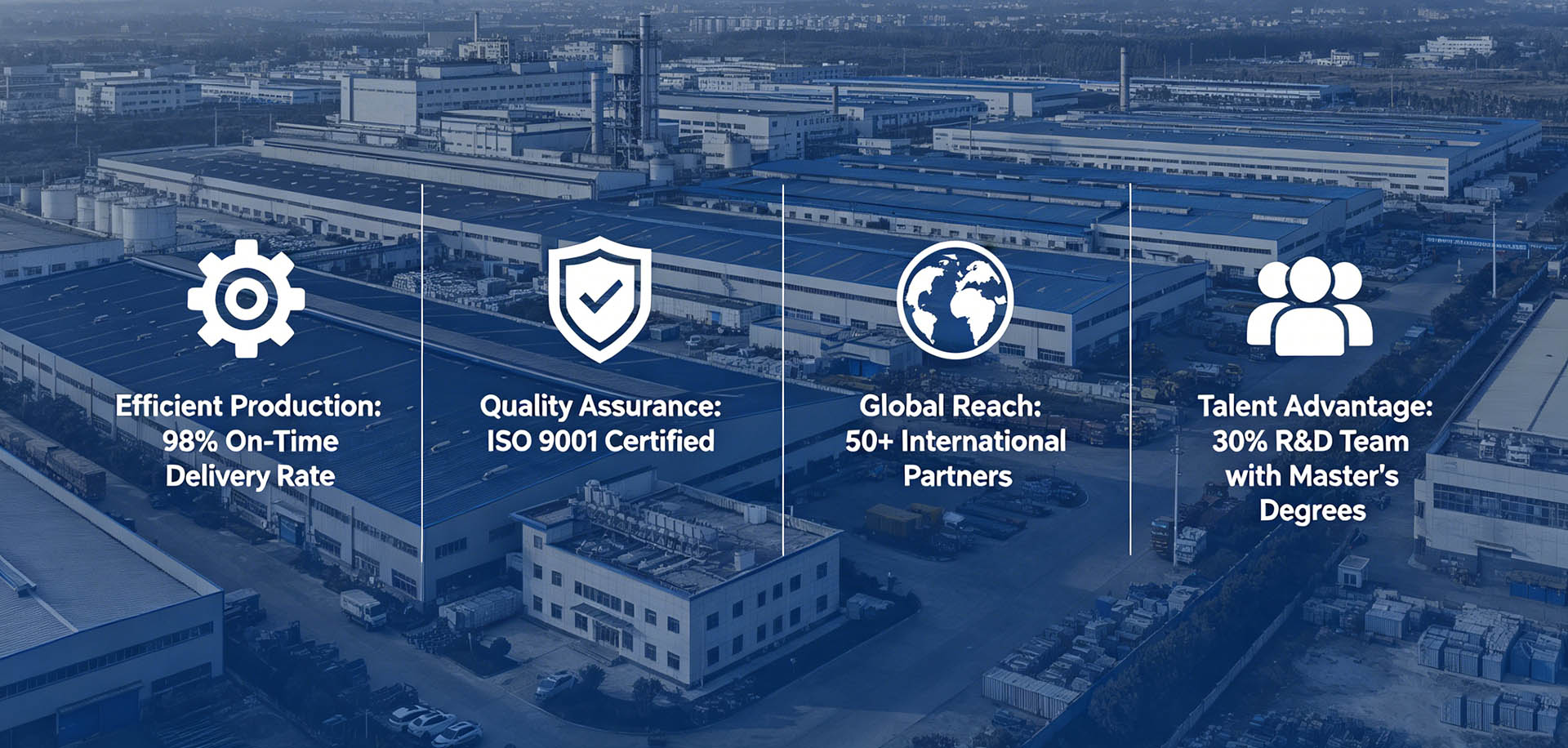
Suzhou Yichuang Electrical Equipment Co., Ltd. is a professional manufacturing enterprise integrating research and development, production and sales, which is committed to providing high-quality, customized and reliable sheet metal cabinets and related supporting products for various industrial fields.
With over two decades of manufacturing expertise, we deliver precision-engineered electronic housings that meet the demands of both cutting-edge industrial applications and the growing home lab community worldwide.
View More Contact Us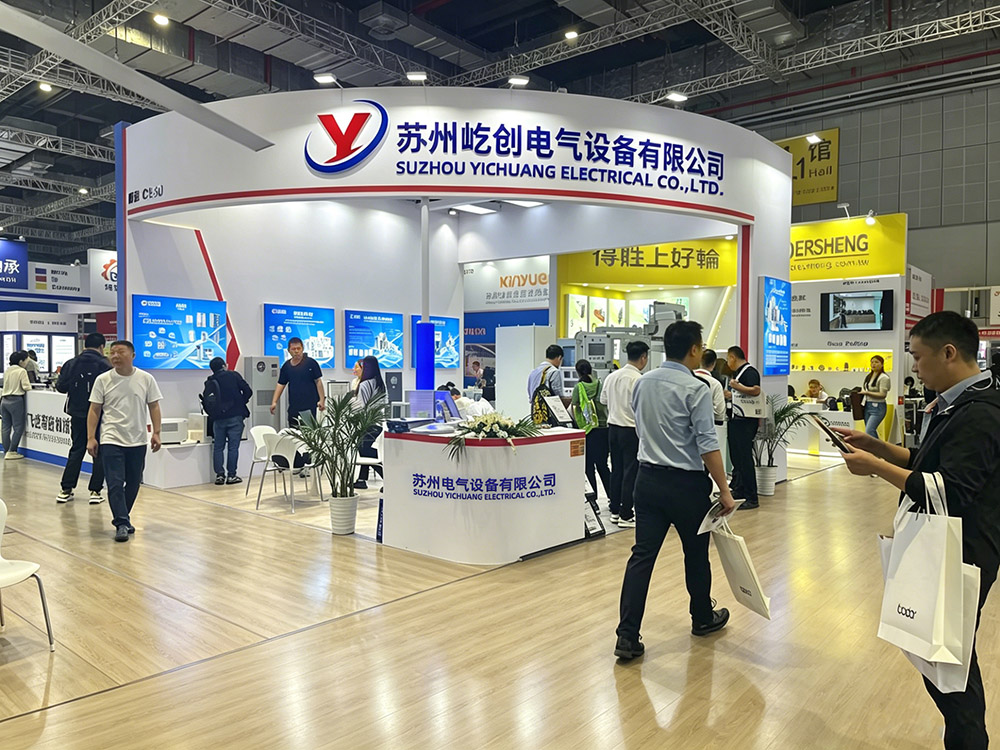
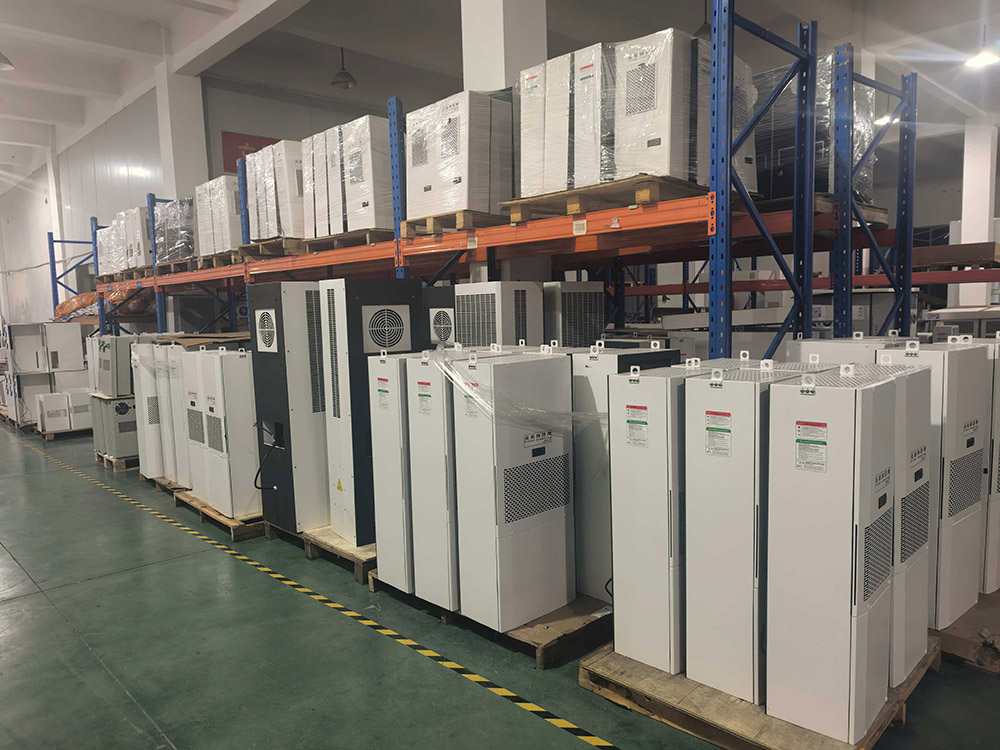
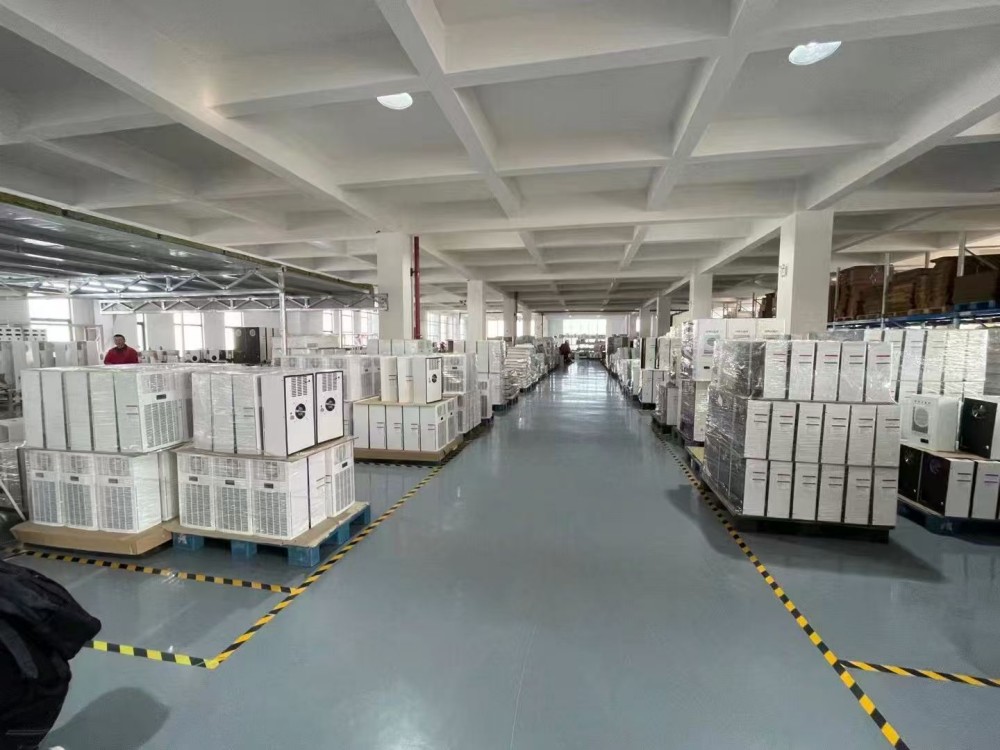
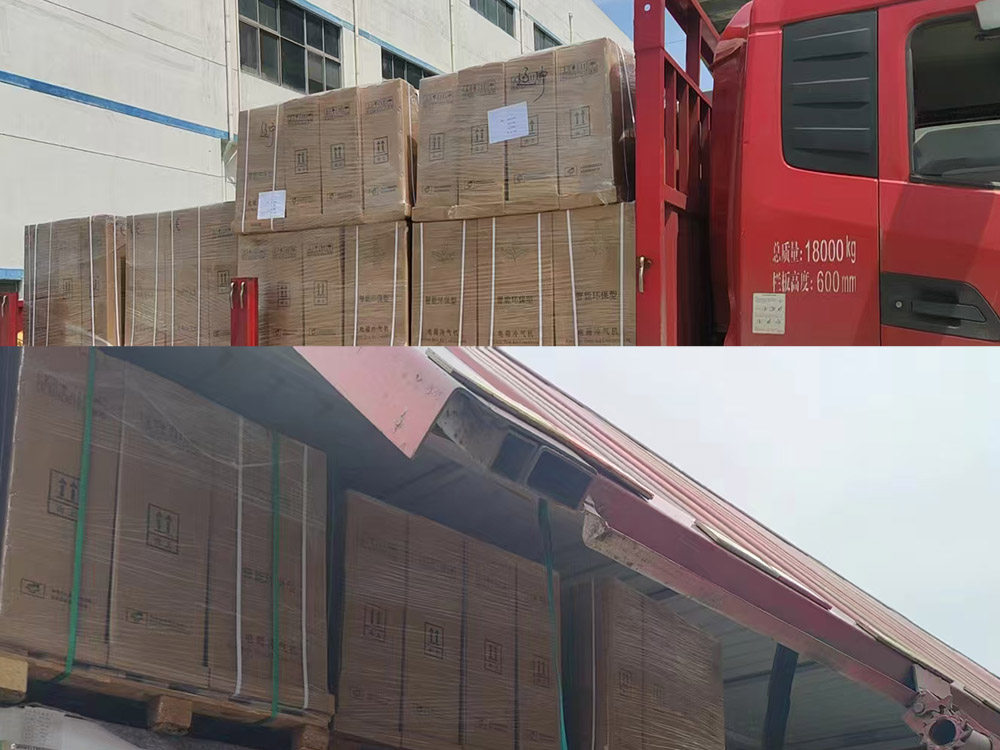
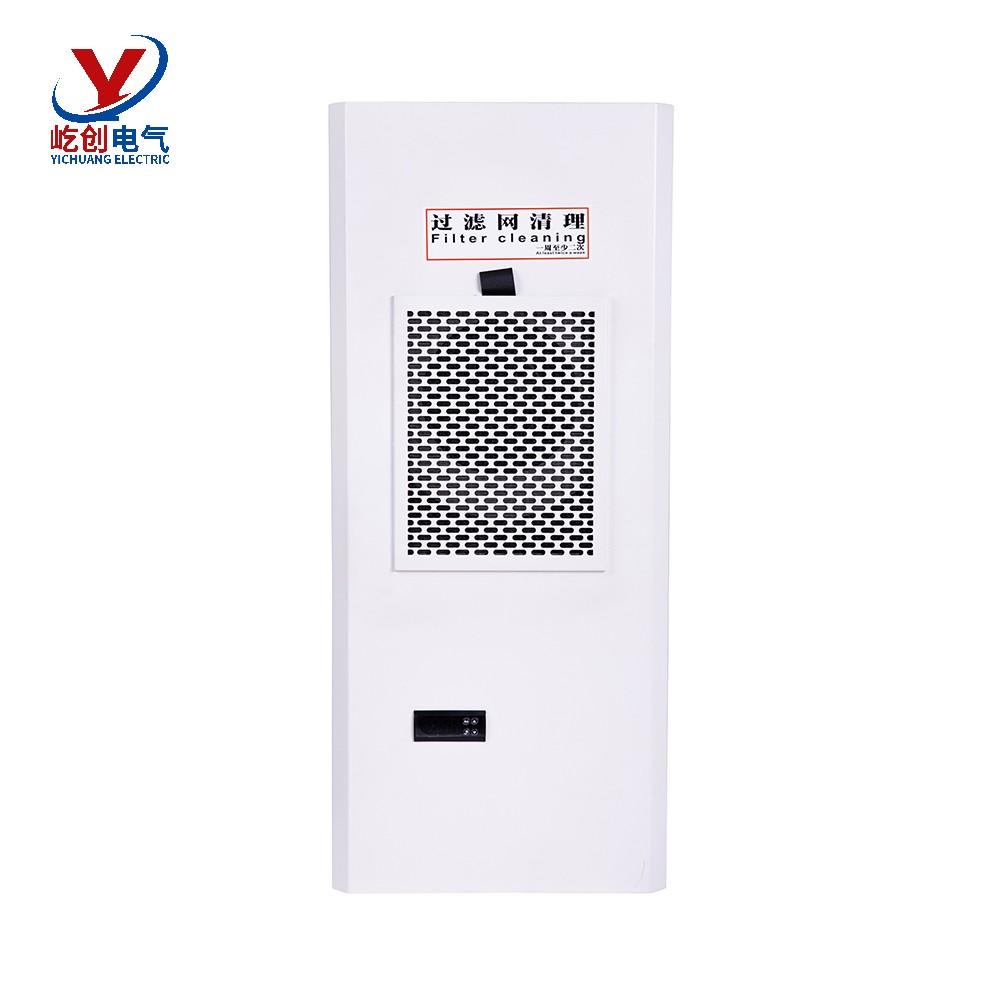
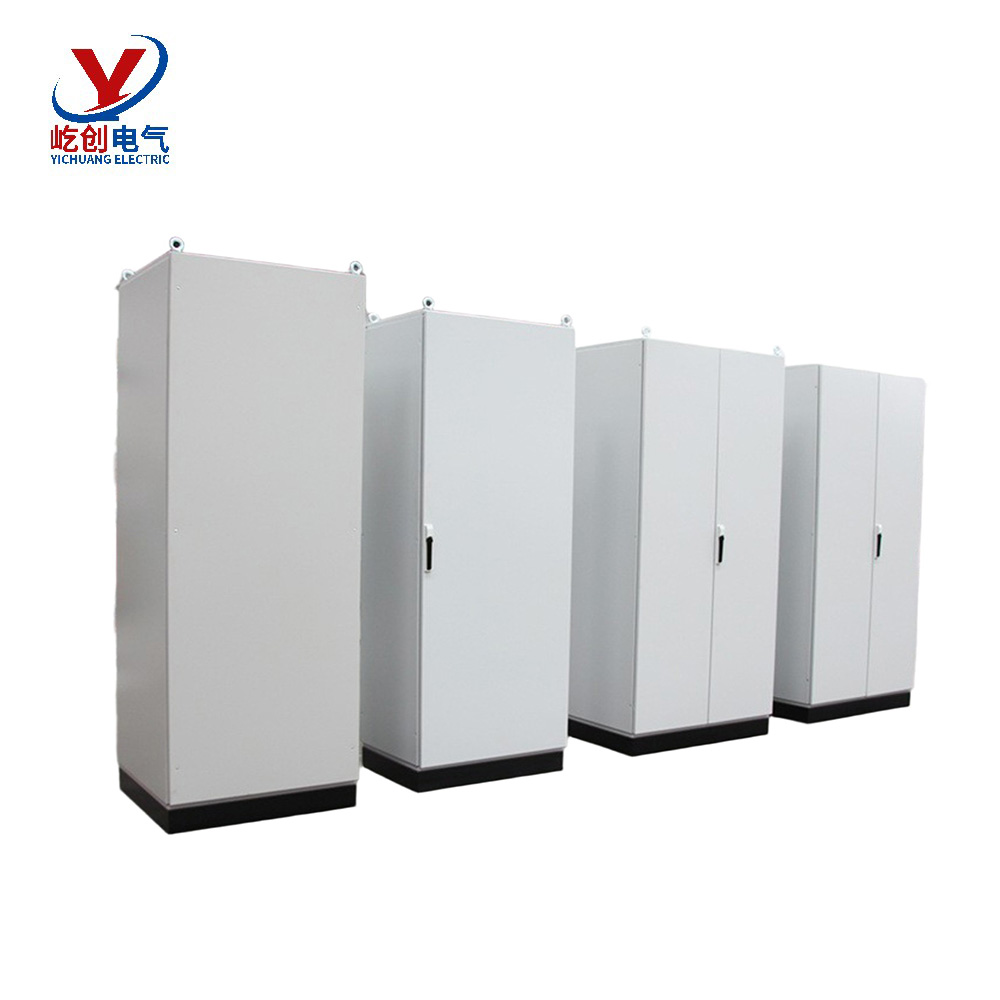
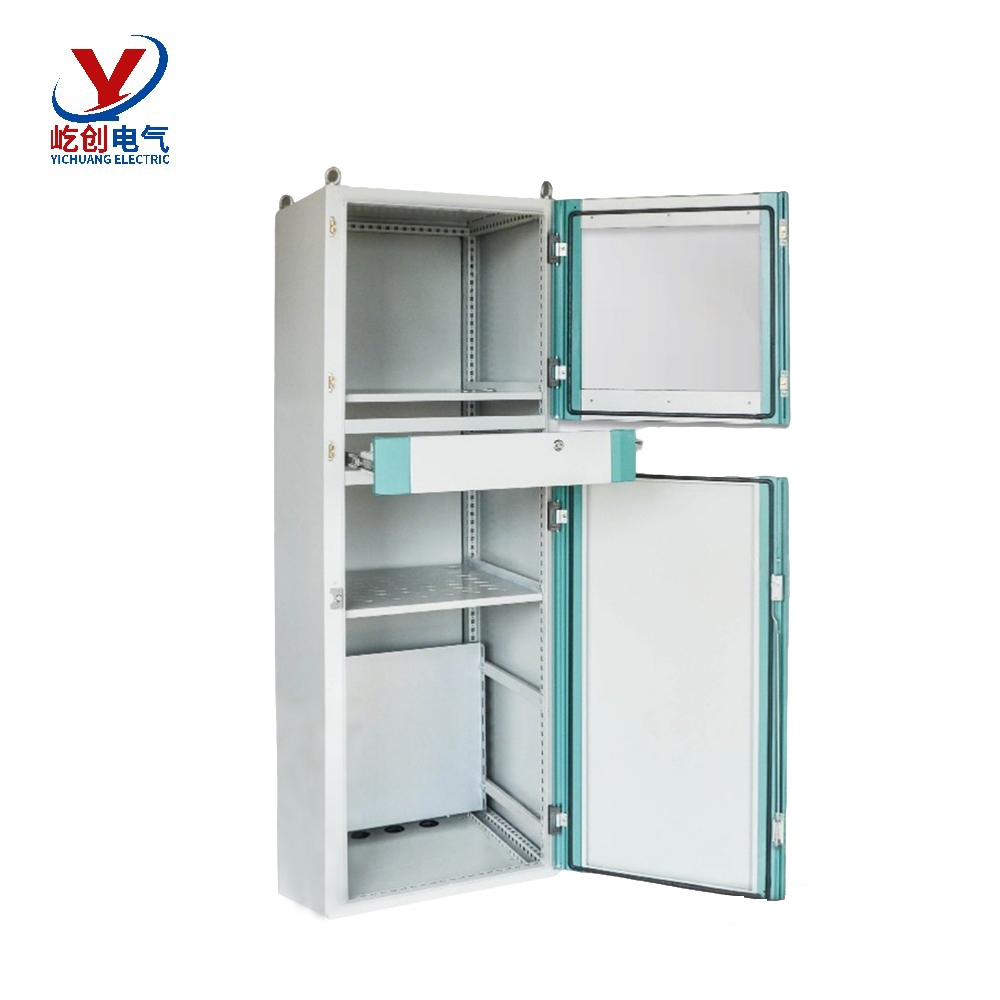
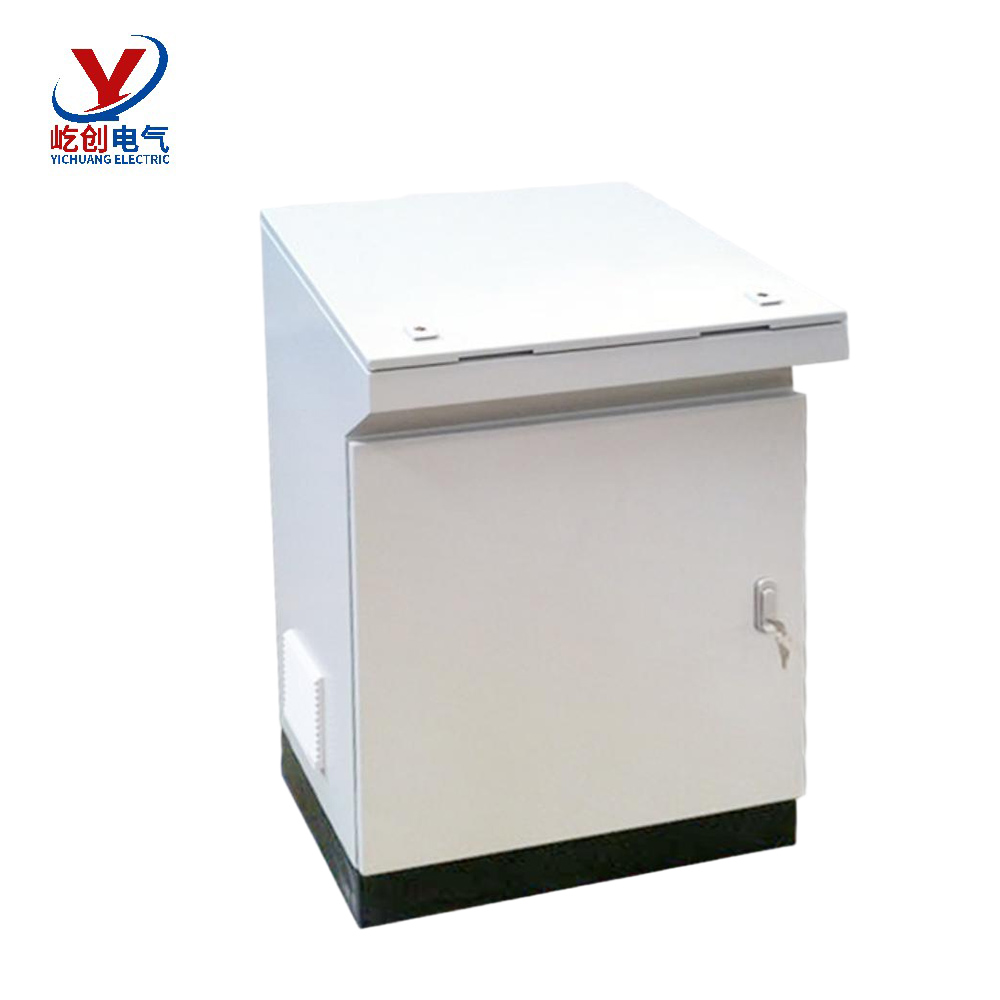
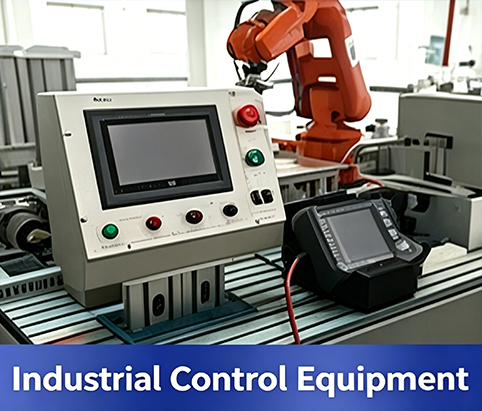
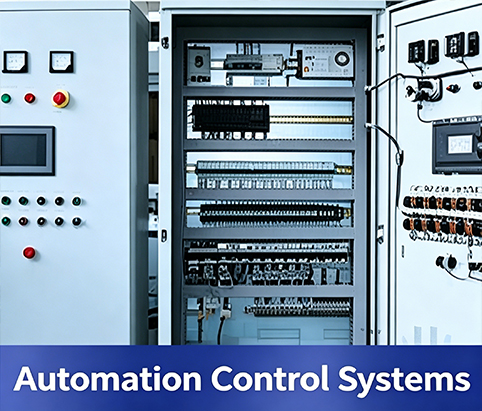
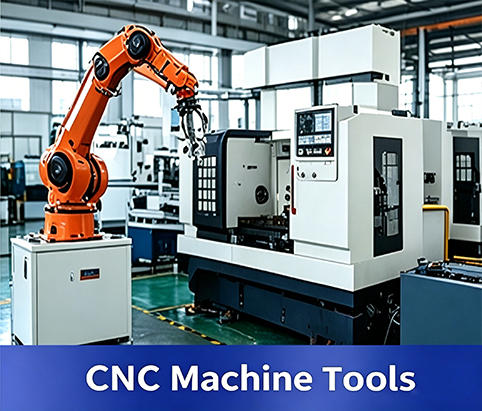
The product is applied in fields such as mechanical manufacturing, electronic information, power engineering, petrochemicals, intelligent transportation, and environmental protection.
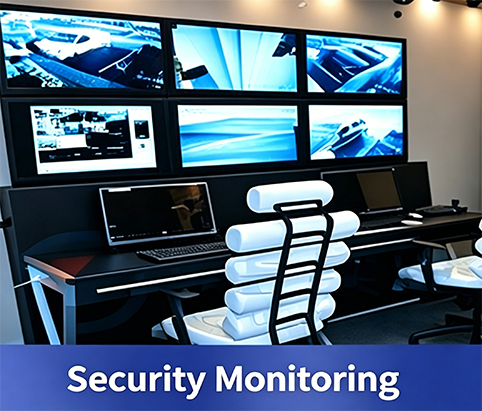


The company will continue to adhere to the concept of technological innovation and quality improvement, continuously upgrade products and services, and strive to become a leading enterprise in the domestic industrial sheet metal cabinet manufacturing industry, creating greater value for customers and society.
 Company News
 Company News
 Company News