Inquiry
Form loading...
Jointing boxes serve as the backbone of prototype testing rigs, providing safe and organized electrical connectivity for multi-channel sensor arrays, data acquisition systems, and experimental power distribution in research labs.
In smart factory development projects, jointing boxes are critical for integrating PLCs, servo drives, and HMI systems within pilot production lines, enabling rapid iteration and safe testing of next-generation automation architectures.
From EV battery management R&D to grid-scale energy storage projects, custom jointing boxes provide the IP-rated protection and high-current connectivity required for safe, repeatable testing of cutting-edge power electronics.
Robotics R&D teams rely on compact, modular jointing boxes to manage complex wiring harnesses for multi-axis robotic arms, vision systems, and embedded AI controllers — enabling faster reconfiguration between test cycles.
Signal integrity is paramount in 5G, IoT, and embedded systems development. Shielded jointing boxes protect sensitive electronic components from EMI/RFI interference during rigorous R&D testing phases.
Environmental monitoring stations, renewable energy R&D platforms, and water treatment pilot projects utilize weatherproof jointing boxes to ensure continuous, reliable operation in demanding outdoor test environments.
In any R&D project, the jointing box is far more than a passive housing component. It is the central node of electrical connectivity, protection, and system organization. A poorly specified enclosure can introduce safety hazards, signal interference, thermal failures, and costly project delays. Investing in precision-engineered, application-specific jointing boxes from the outset dramatically reduces risk, accelerates iteration cycles, and ensures that your R&D infrastructure scales seamlessly from bench prototype to full production deployment.
Next-generation jointing boxes are increasingly integrated with IoT sensors for real-time monitoring of temperature, humidity, and power consumption — enabling predictive maintenance and remote diagnostics in distributed R&D environments.
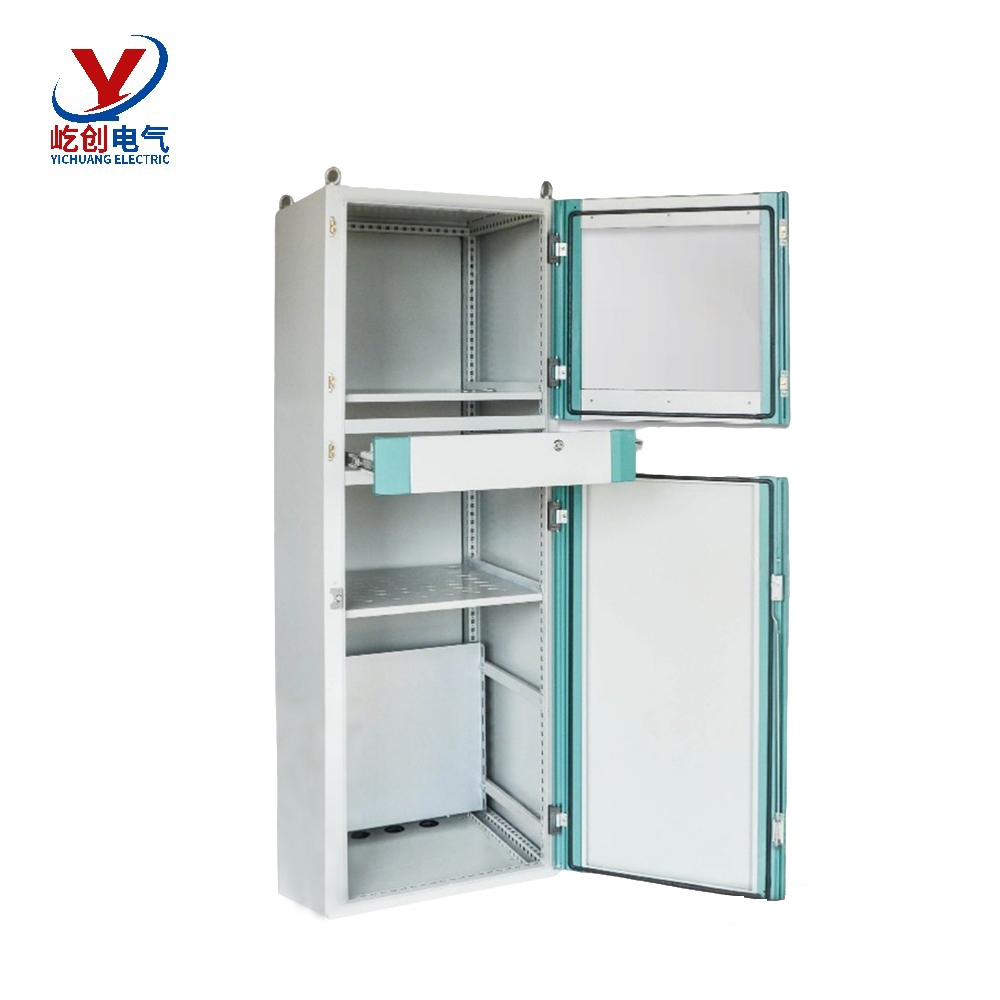
R&D projects demand flexibility. Modern jointing box systems adopt modular rail-mount designs compatible with DIN standards, allowing engineers to rapidly reconfigure internal layouts as project requirements evolve without replacing the entire enclosure.
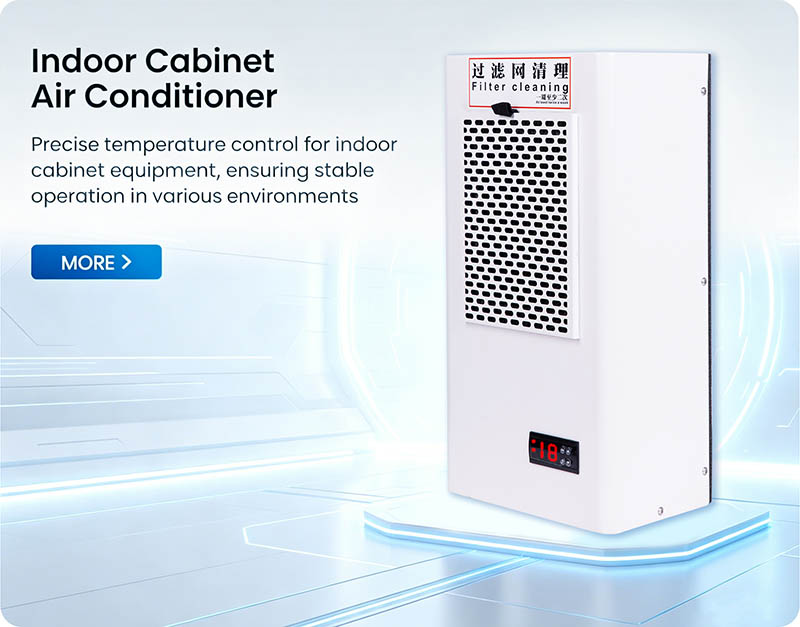
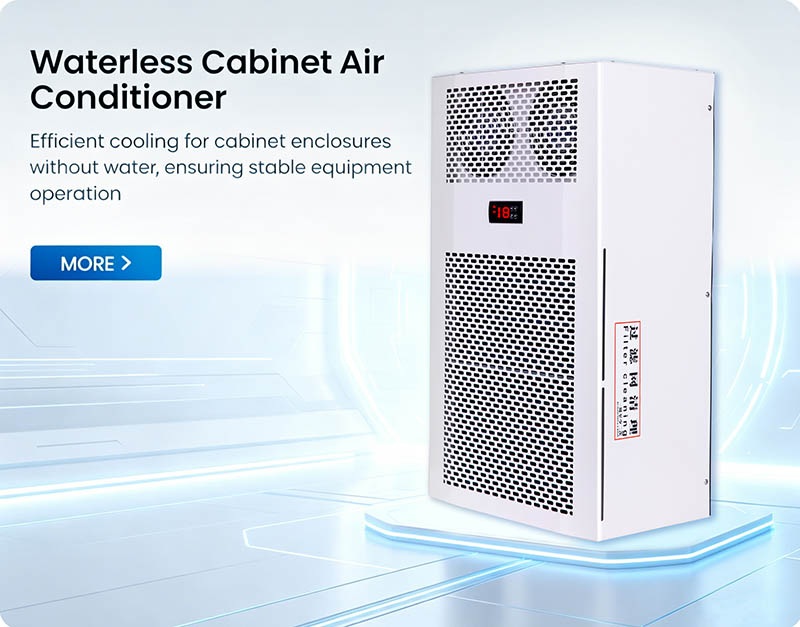
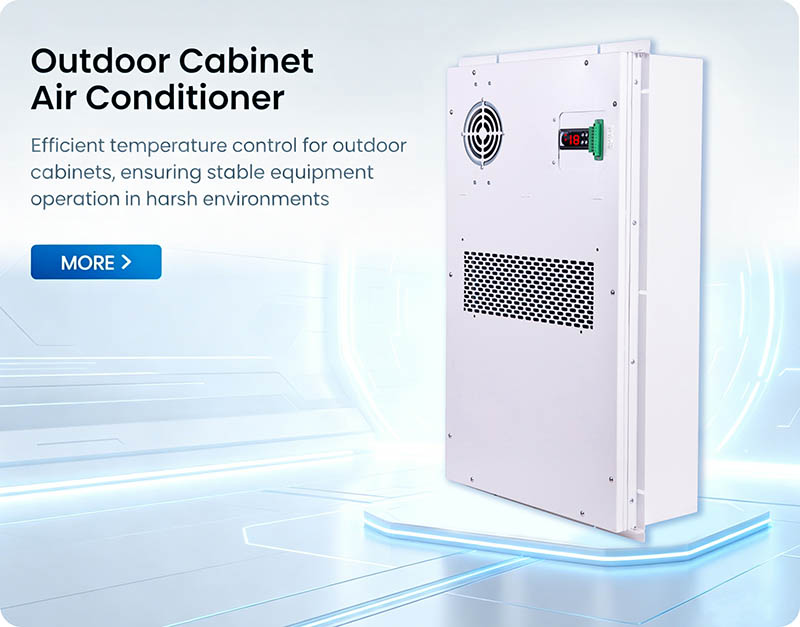
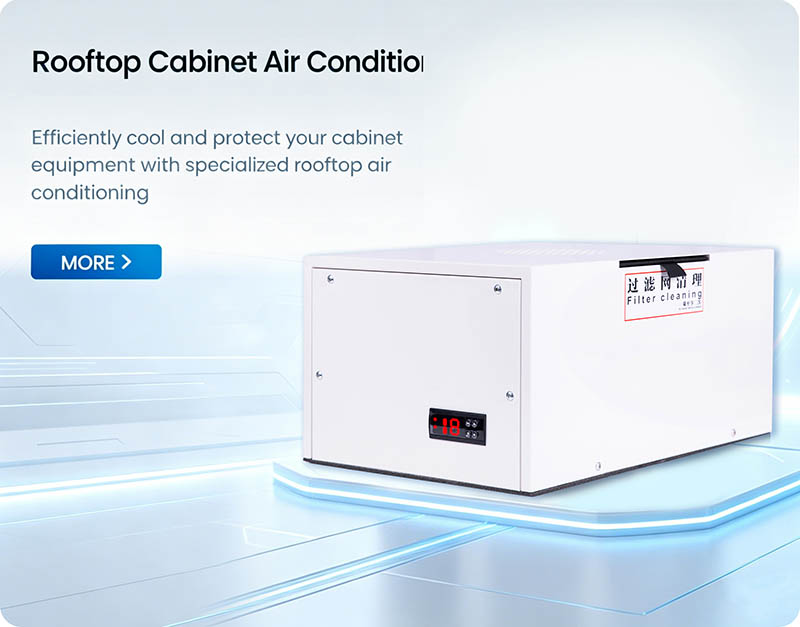
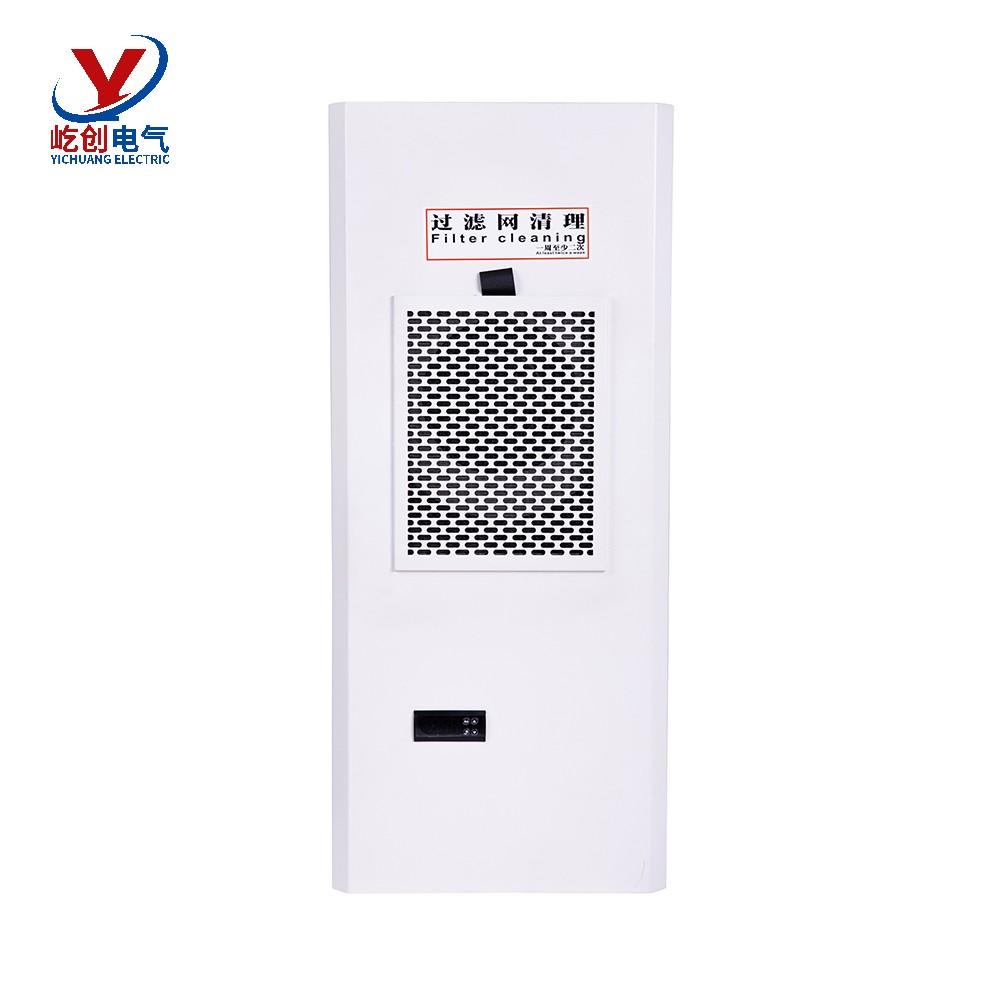
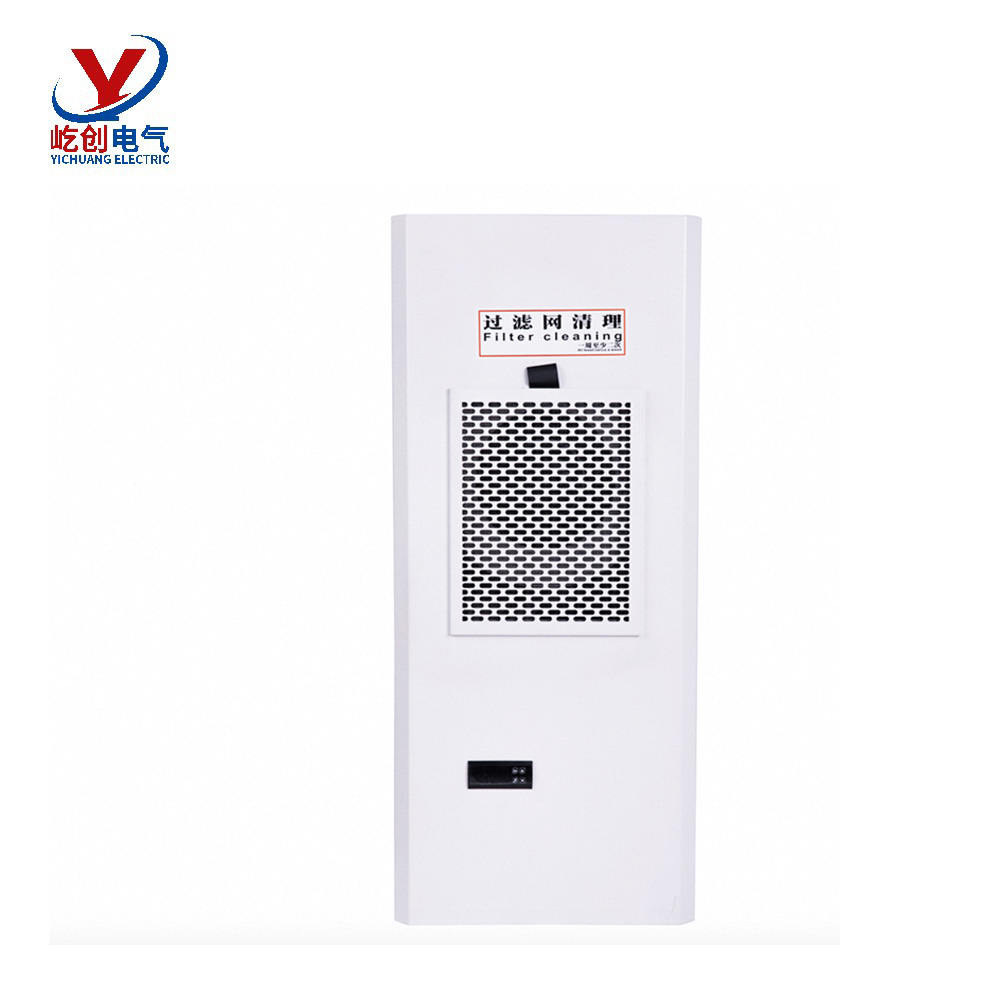
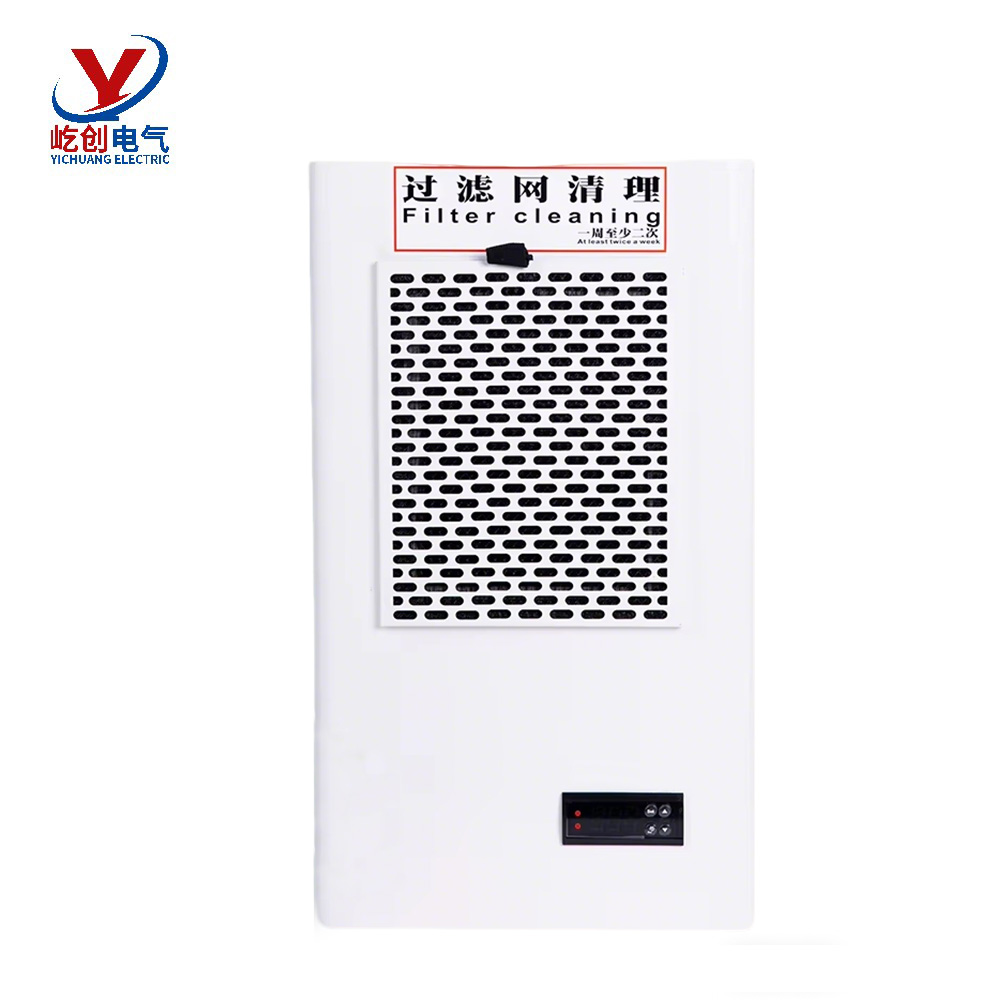
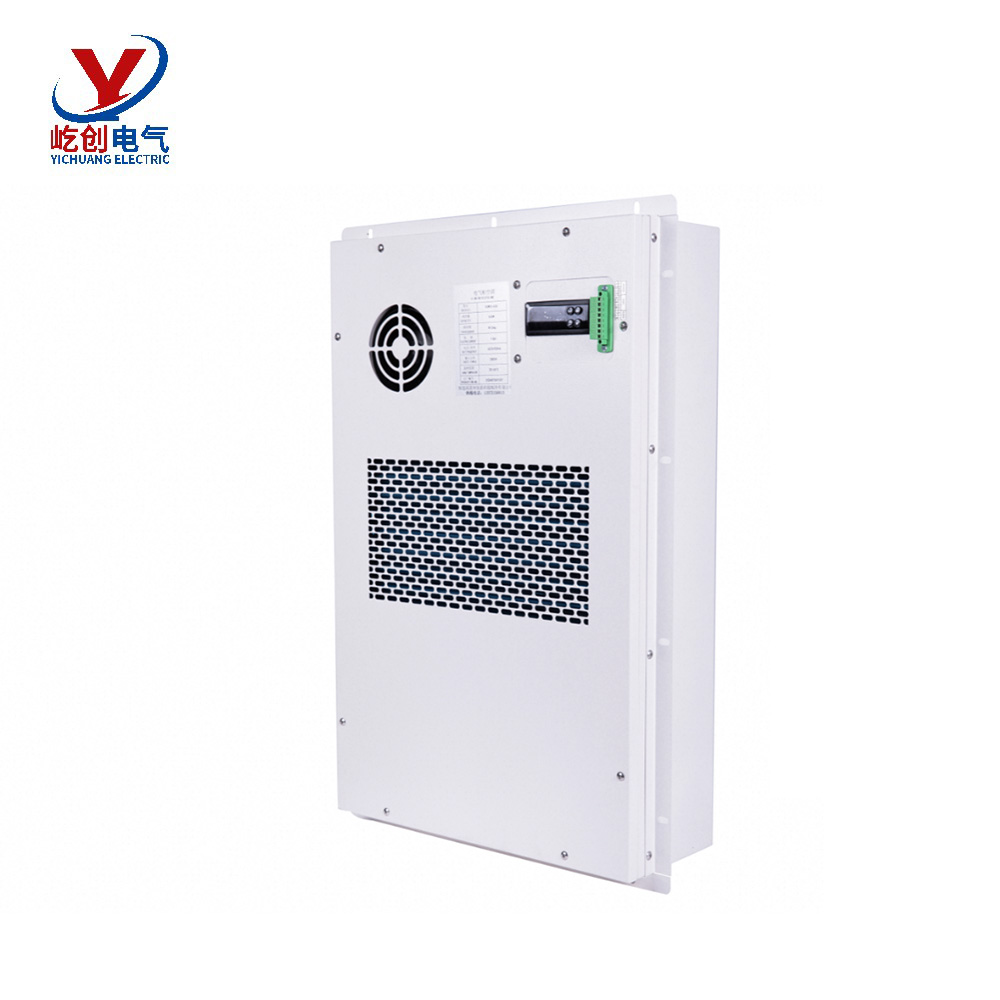
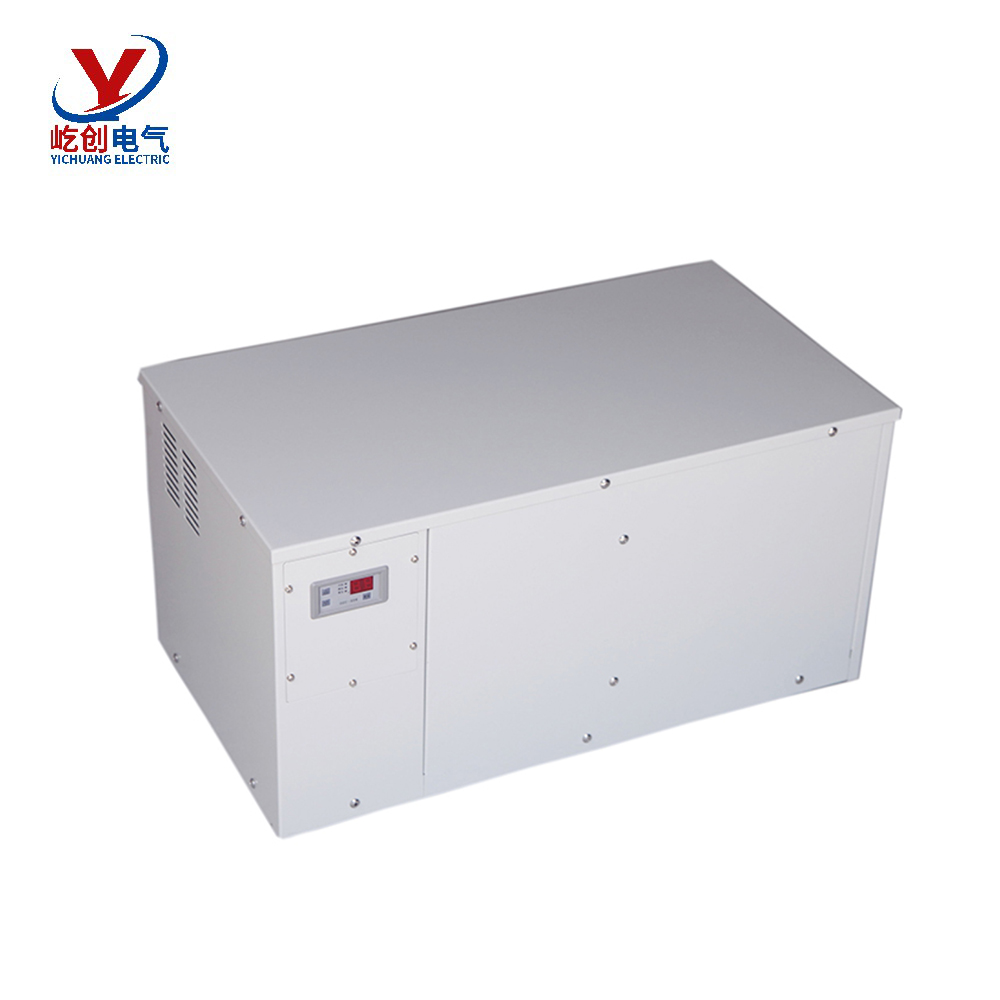
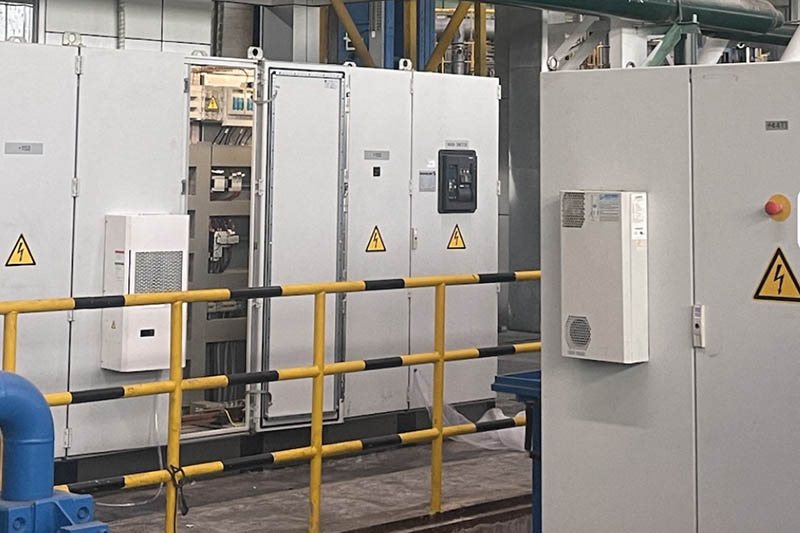
As power densities increase in R&D test equipment, jointing boxes are being engineered with integrated cooling solutions — including side-mounted air conditioners, heat exchangers, and thermoelectric coolers — to maintain optimal operating temperatures.
Field R&D projects in harsh environments are driving demand for jointing boxes with IP66/IP67 ratings and NEMA 4X certification, providing robust protection against dust, water ingress, and corrosive chemicals.
Environmental regulations and corporate sustainability goals are accelerating the adoption of recycled aluminum alloys, powder-coated steel with low-VOC finishes, and RoHS-compliant component materials in jointing box manufacturing.
Digital manufacturing technologies — including CNC laser cutting, robotic welding, and 3D-printed tooling — enable jointing box suppliers to deliver fully custom enclosures for R&D projects within days, dramatically compressing development timelines.
Battery cell formation and module testing requires jointing boxes capable of handling high-voltage DC circuits (up to 1000V) with precise thermal management. Custom jointing boxes with integrated bus bar systems, fuse protection, and active cooling are essential for safe, repeatable battery characterization in R&D facilities.
Aerospace R&D programs demand jointing boxes that meet MIL-SPEC vibration, shock, and EMI shielding requirements. Lightweight aluminum enclosures with conductive gaskets and multi-point grounding are deployed in avionics test benches, UAV development platforms, and satellite ground support equipment.
In medical equipment development, jointing boxes must comply with IEC 60601 safety standards. Stainless steel and electropolished enclosures provide the cleanroom-compatible, biocompatible surfaces required for diagnostic imaging, surgical robotics, and patient monitoring R&D platforms.
Subsea and offshore energy R&D projects require jointing boxes with exceptional corrosion resistance, IP68 sealing, and pressure-equalization systems. GRP (glass-reinforced polyester) and 316L stainless steel enclosures are standard in wave energy converter and underwater ROV development programs.


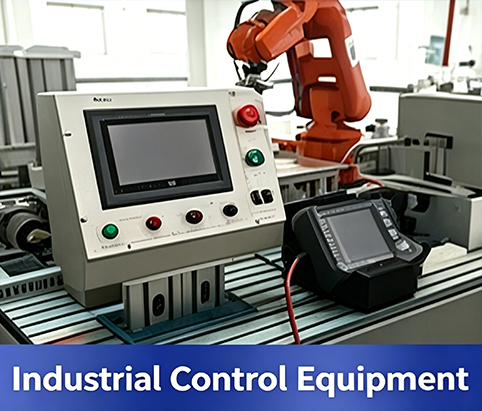
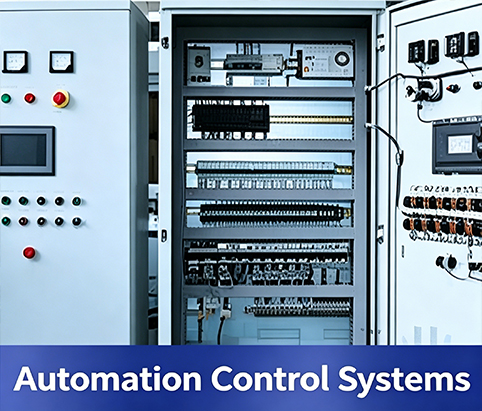
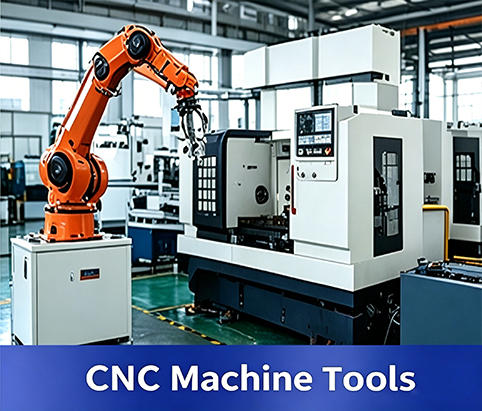


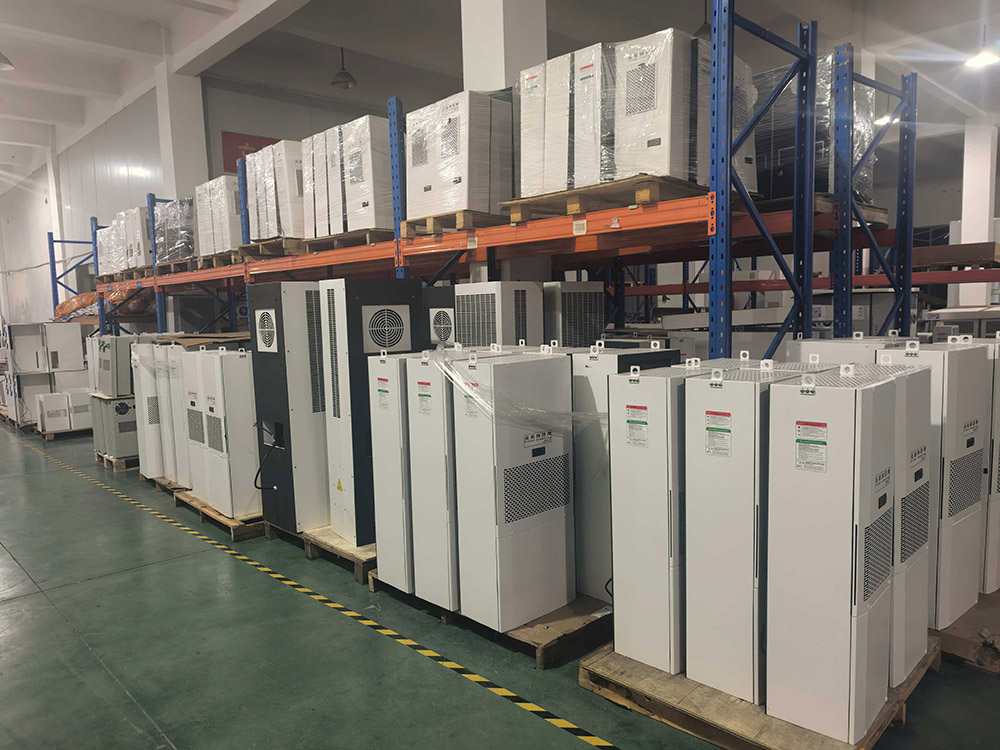
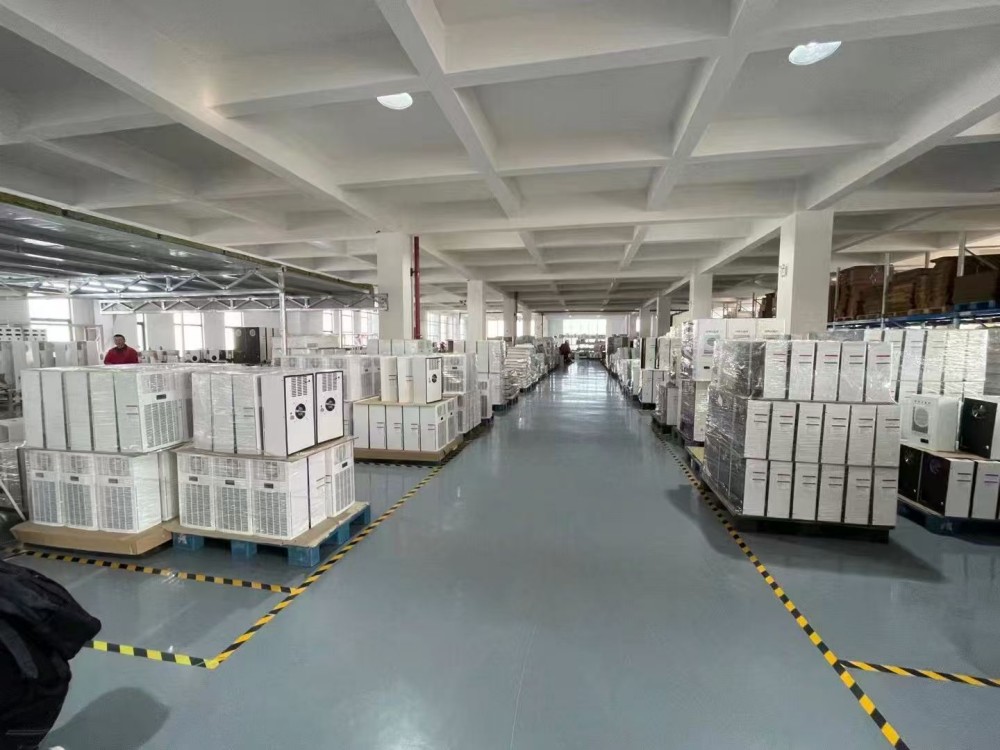
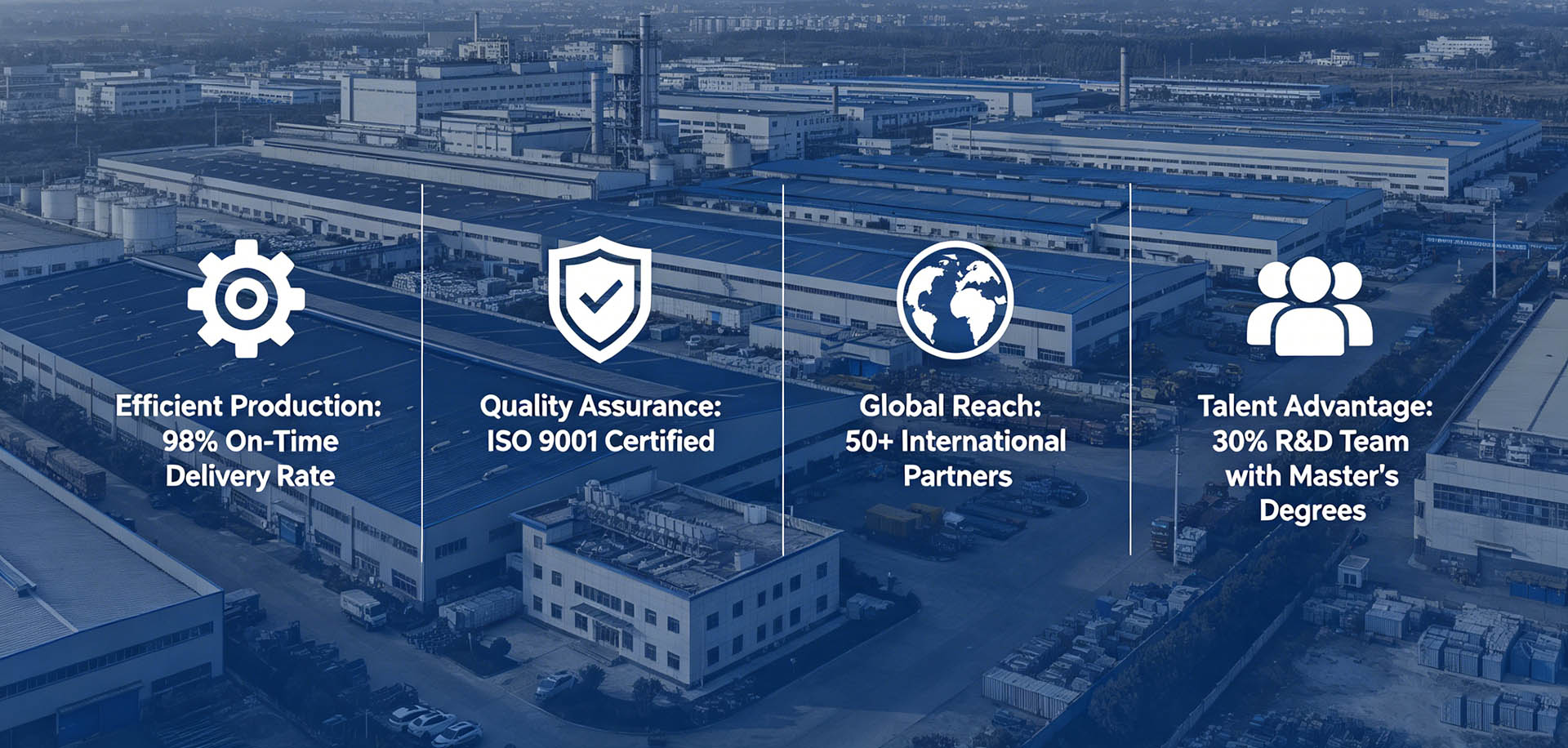
Suzhou Yichuang Electrical Equipment Co., Ltd. is a professional manufacturing enterprise integrating research and development, production and sales, which is committed to providing high-quality, customized and reliable sheet metal cabinets and related supporting products for various industrial fields.
With over two decades of manufacturing excellence, our engineering team delivers jointing box solutions precisely tailored to the demanding requirements of R&D projects across global industries — from initial concept to certified production-ready enclosures.
View More Contact Us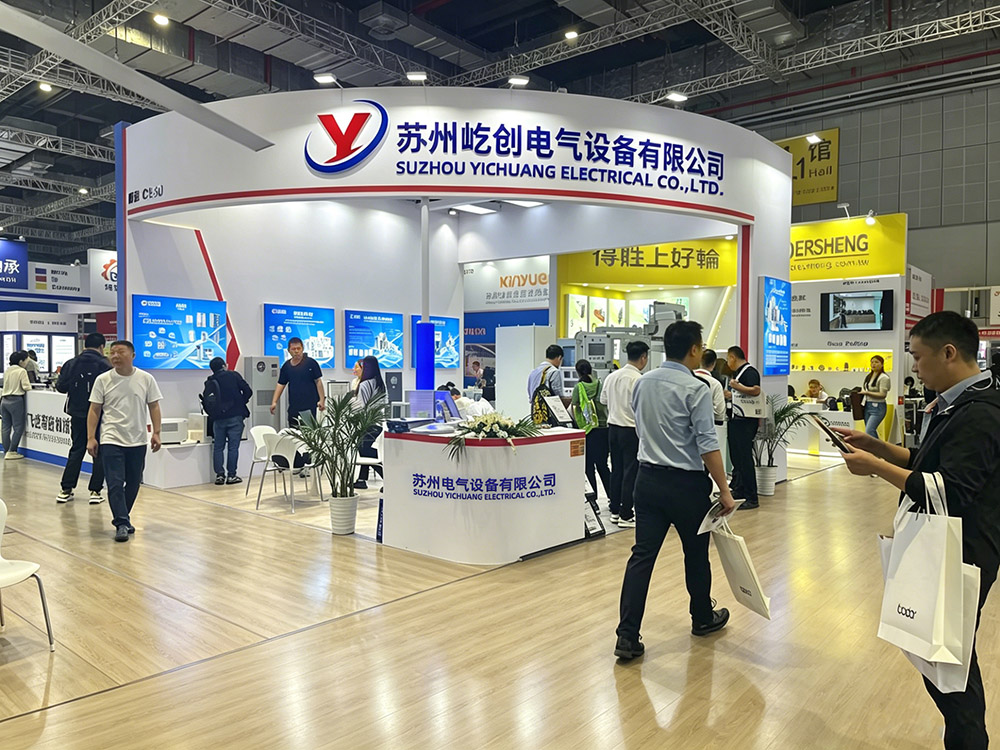
 Company News
 Company News
 Company News