Inquiry
Form loading...
 Rittal-Style Aluminum Cantilever Enclosure | Arm System & Swing Arm Control Box
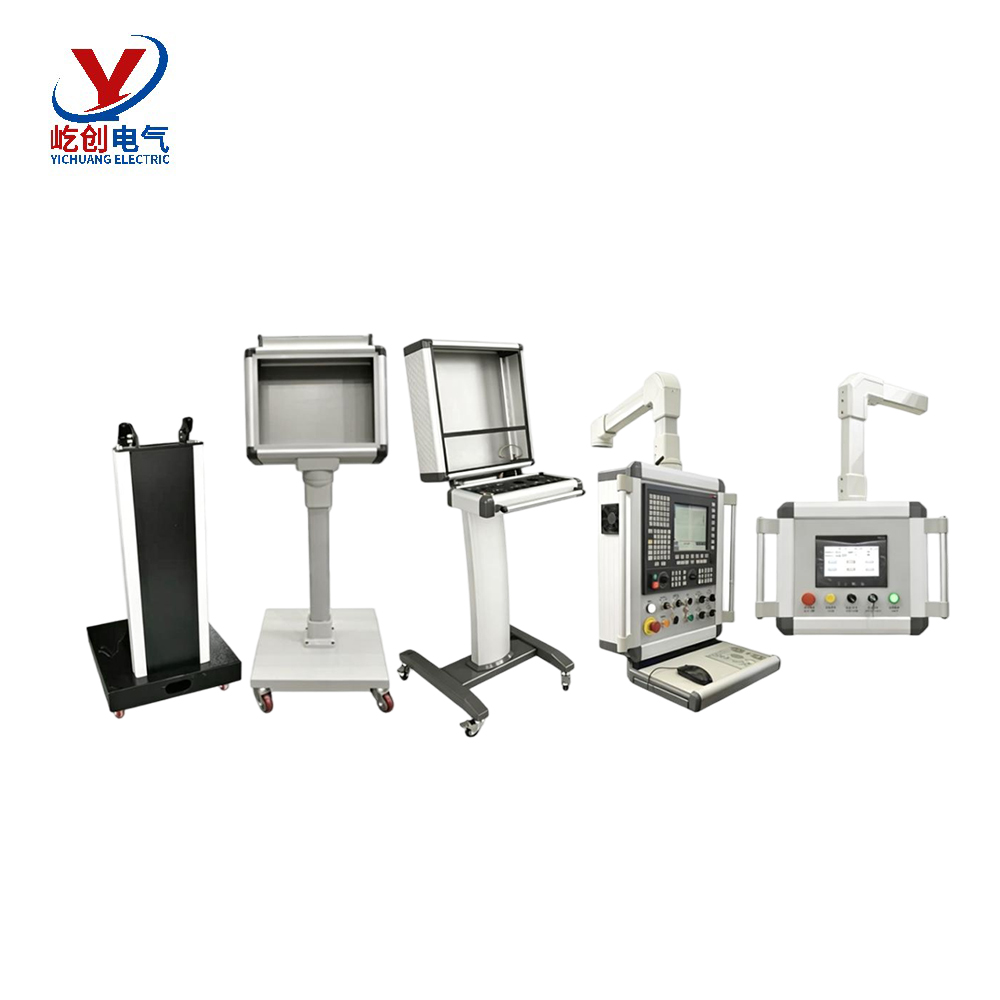
 Cantilever Control Box – Industrial Cantilever Operation Box
Delivering modular, high-performance terminal box systems designed to meet the demanding requirements of research laboratories, prototype development, and advanced engineering environments.
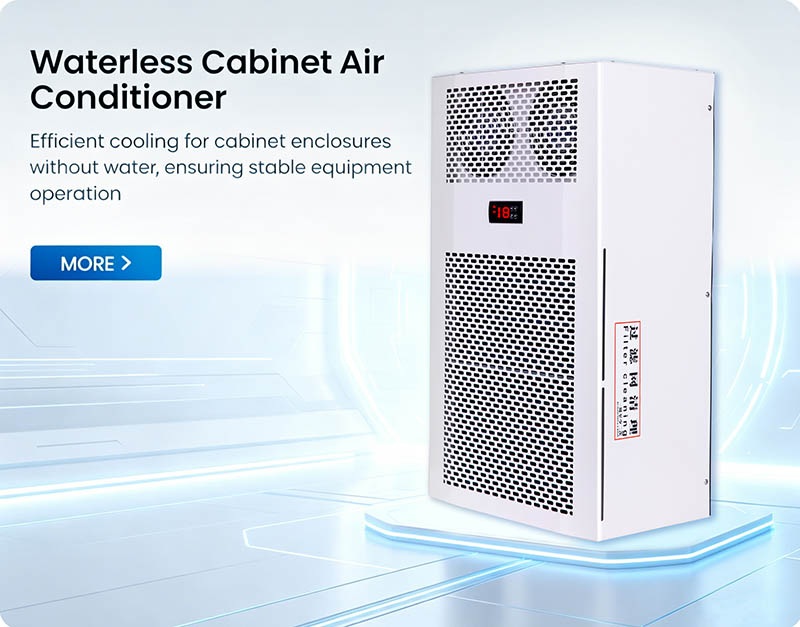
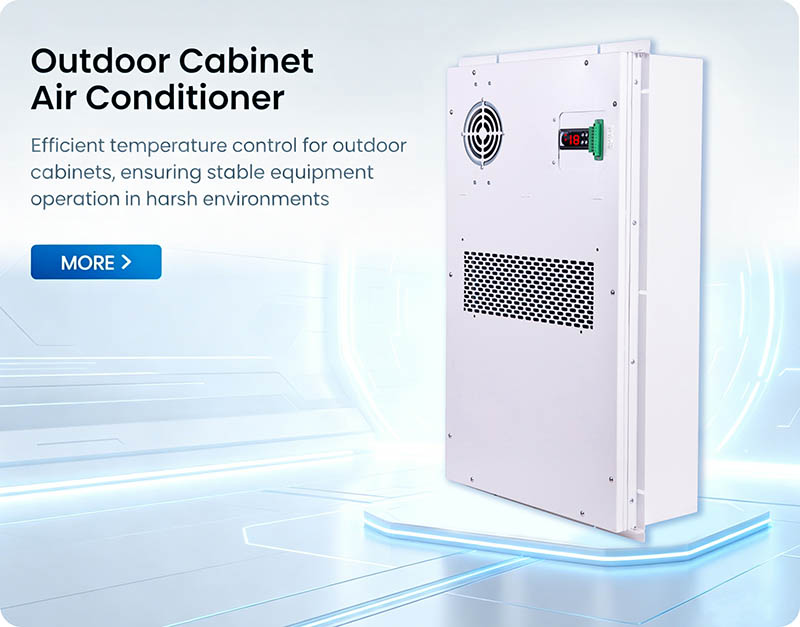
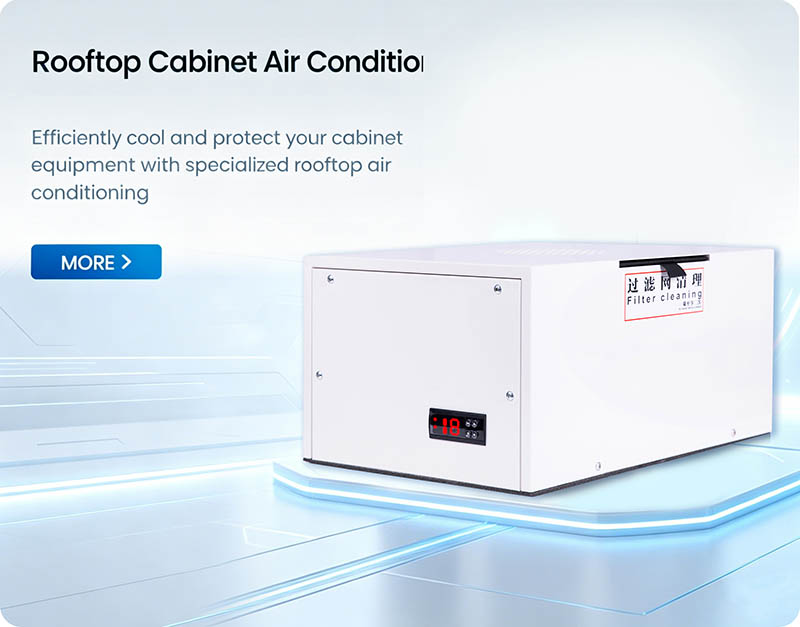
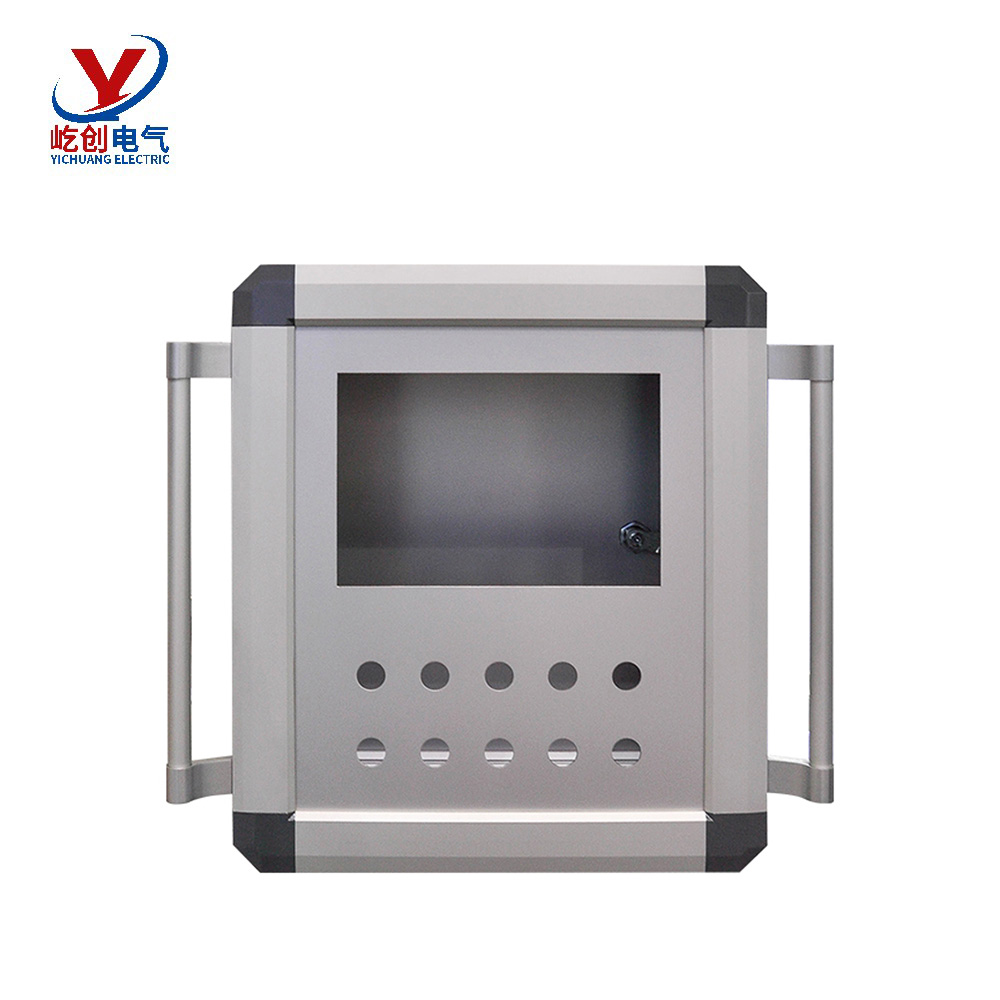
A junction terminal box is a critical electrical enclosure that houses and organizes terminal blocks, wiring connections, and signal distribution components. In R&D environments — from university laboratories to advanced industrial prototype workshops — these boxes serve as the central nervous system of any experimental or pilot-scale electrical system.
Unlike standard commercial applications, R&D projects impose unique demands: frequent reconfigurations, mixed signal types (analog, digital, high-voltage, low-voltage), EMI sensitivity, and the need for rapid prototyping. A poorly chosen enclosure can introduce noise, create safety hazards, or slow down iteration cycles significantly.
Modern junction terminal boxes for R&D applications are engineered with modular DIN rail systems, IP-rated sealing, corrosion-resistant materials, and flexible cable management — enabling engineers and researchers to build, test, modify, and scale their designs with confidence and speed.
🔬 Key Insight: Over 73% of R&D project delays related to electrical systems are attributed to inadequate enclosure planning and poor terminal organization — making the right junction terminal box a strategic investment, not just a commodity purchase.

Purpose-built features that separate research-grade enclosures from standard industrial boxes — enabling faster iteration, safer testing, and more reliable data collection.
Tool-free reconfiguration allows researchers to add, remove, or rearrange terminal blocks in minutes. Supports mixed terminal types — screw, spring-cage, push-in — on a single rail for maximum flexibility across different R&D phases.
Dust-tight and water-resistant ratings protect sensitive electronics in harsh lab or field-testing environments. Critical for outdoor prototype testing, chemical exposure scenarios, and cleanroom-adjacent applications.
Grounded metal enclosures with conductive gaskets suppress electromagnetic interference — essential when R&D setups involve sensitive measurement instruments, wireless communication modules, or high-frequency switching circuits.
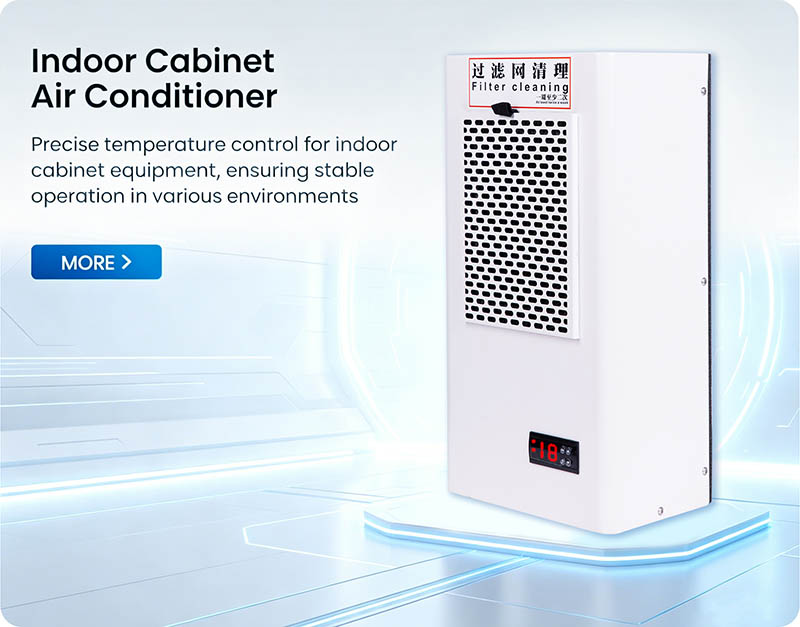
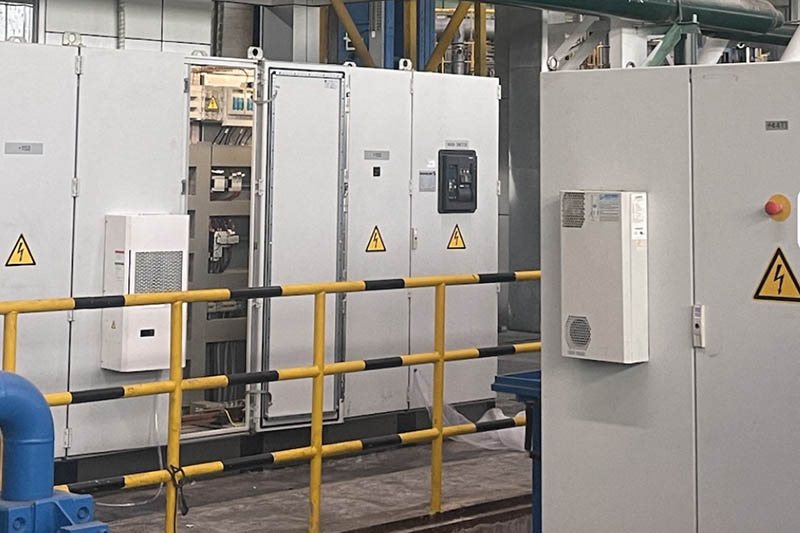
Pre-drilled mounting points for fans, heat exchangers, and industrial cabinet air conditioners ensure stable operating temperatures even when high-density electronics generate significant heat loads during extended testing sessions.
Every R&D project has unique spatial constraints. CNC-machined sheet metal construction allows precise cutouts, custom panel layouts, and exact dimensional tolerances — accommodating non-standard components and bespoke wiring harnesses.
Designed to handle simultaneous routing of power, analog sensor signals, digital I/O, Ethernet, fieldbus (Profibus, CANopen, EtherCAT), and safety circuits — reflecting the complex, multi-layered nature of modern R&D system architectures.
The global industrial enclosure market is undergoing rapid transformation, driven by accelerating R&D investment across sectors from EV technology to pharmaceutical automation.
Global R&D expenditure surpassed $2.4 trillion in 2024, with significant portions allocated to electrical infrastructure. The industrial enclosure market — including junction terminal boxes — is projected to exceed $12 billion by 2028, growing at a CAGR of 6.2%. R&D facilities represent one of the fastest-growing end-user segments, demanding higher customization and faster lead times than traditional manufacturing clients.
The integration of IoT sensors directly into junction boxes is a defining trend. Smart terminal boxes now feature embedded temperature monitoring, current sensing, and remote diagnostics via industrial Ethernet or wireless protocols. For R&D applications, this enables real-time condition monitoring of test rigs without manual inspection — dramatically reducing downtime and improving data quality.
R&D institutions increasingly specify enclosures made from recycled aluminum alloys, halogen-free polymers, and powder-coated steel with low-VOC finishes. Lifecycle analysis is becoming a procurement criterion. Manufacturers who can certify material traceability and offer take-back programs gain competitive advantage in academic and government research procurement.
As R&D projects incorporate more sensors, actuators, and edge computing nodes, the demand for compact, high-density terminal solutions intensifies. Ultra-slim terminal blocks, vertical DIN rail configurations, and multi-level wiring systems allow more connections per unit volume — critical for space-constrained laboratory benches and mobile test platforms.
The shift toward agile R&D methodologies demands enclosure suppliers who can deliver custom-fabricated junction boxes in days rather than weeks. Digital manufacturing — combining CAD/CAM, laser cutting, and CNC bending — enables rapid iteration of enclosure designs in parallel with electronic system development, compressing overall project timelines.
Battery management system (BMS) development, fuel cell testing, and grid-scale energy storage R&D all require specialized junction boxes capable of handling high-voltage DC circuits (up to 1500V), thermal runaway protection, and arc-flash mitigation. This niche is experiencing explosive growth as automotive OEMs and energy companies race to develop next-generation storage technologies.
From semiconductor labs to autonomous vehicle test benches — explore how specialized junction terminal boxes enable breakthroughs across diverse R&D domains.
In semiconductor fabrication research, junction terminal boxes serve as the interface between high-precision measurement instruments (oscilloscopes, spectrum analyzers, LCR meters) and device-under-test (DUT) fixtures. Requirements include ultra-low leakage resistance, gold-plated contacts for milliohm-level measurements, and Faraday cage shielding to prevent external interference from corrupting nanoscale measurements.
Custom-machined aluminum enclosures with vibration-damping mounts are specified to prevent microphonic effects that could introduce noise into sensitive analog measurement chains. The ability to rapidly reconfigure internal wiring as test protocols evolve is paramount — making modular DIN rail systems the preferred architecture.
Electric vehicle powertrain development requires junction boxes that manage simultaneous routing of high-voltage DC bus connections (400V–800V), CAN bus and LIN bus communication lines, thermal sensor harnesses, and safety interlock circuits — all within a single, organized enclosure that withstands vibration, thermal cycling, and occasional fluid exposure.
Stainless steel or powder-coated steel enclosures with IP67 ratings are standard for dynamometer test cell applications. Internal cable trays, labeled terminal blocks, and color-coded wiring facilitate rapid fault diagnosis during high-intensity testing campaigns where downtime is extremely costly.
Medical device R&D imposes the most stringent requirements: UL/IEC 60601 compliance, patient-leakage current limits below 10µA, non-toxic surface finishes, and full traceability documentation for regulatory submissions. Junction terminal boxes in this context must be manufactured under ISO 13485-aligned quality systems.
Compact, wall-mounted enclosures with transparent polycarbonate lids allow visual inspection without opening — critical in sterile environments. Snap-fit terminal blocks enable tool-free modification, essential when iterating on prototype medical instrumentation under tight FDA or CE submission timelines.
Remote environmental research stations — monitoring air quality, seismic activity, ocean chemistry, or climate variables — deploy junction terminal boxes in some of the most challenging conditions imaginable: Arctic cold (-40°C), tropical humidity (98% RH), corrosive coastal salt air, and solar radiation extremes.
Fiberglass-reinforced polyester (FRP) or marine-grade aluminum enclosures with silicone gaskets, stainless steel hardware, and UV-stable coatings are specified. Internal terminal arrangements must support long cable runs (often hundreds of meters) with proper surge protection and grounding schemes to protect against lightning-induced transients.
| R&D Application | Enclosure Material | IP Rating | Key Terminal Feature | Typical Voltage Range |
|---|---|---|---|---|
| Semiconductor Lab | Aluminum Alloy (Anodized) | IP54 | Gold-plated, low-leakage contacts | 5V – 48V DC |
| EV Powertrain Test | Powder-Coated Steel | IP67 | High-voltage rated, color-coded | 48V – 800V DC |
| Medical Device R&D | ABS / Stainless Steel | IP65 | IEC 60601 compliant, snap-fit | 5V – 240V AC/DC |
| Environmental Station | FRP / Marine Aluminum | IP67 | Surge-protected, long-run rated | 12V – 110V DC |
| Robotics & Automation R&D | Aluminum / Sheet Metal | IP54–IP65 | Multi-protocol fieldbus routing | 24V – 480V AC |
The company's main products cover a wide range of industrial sheet metal cabinets and enclosures, including various standard control cabinets, Rittal-like enclosures, operation consoles, cantilevers, industrial air conditioners, stainless steel cabinets, PLC cabinets, MCC cabinets, power distribution cabinets, outdoor enclosures, industrial control cabinets, computer cabinets, network cabinets and other related products.
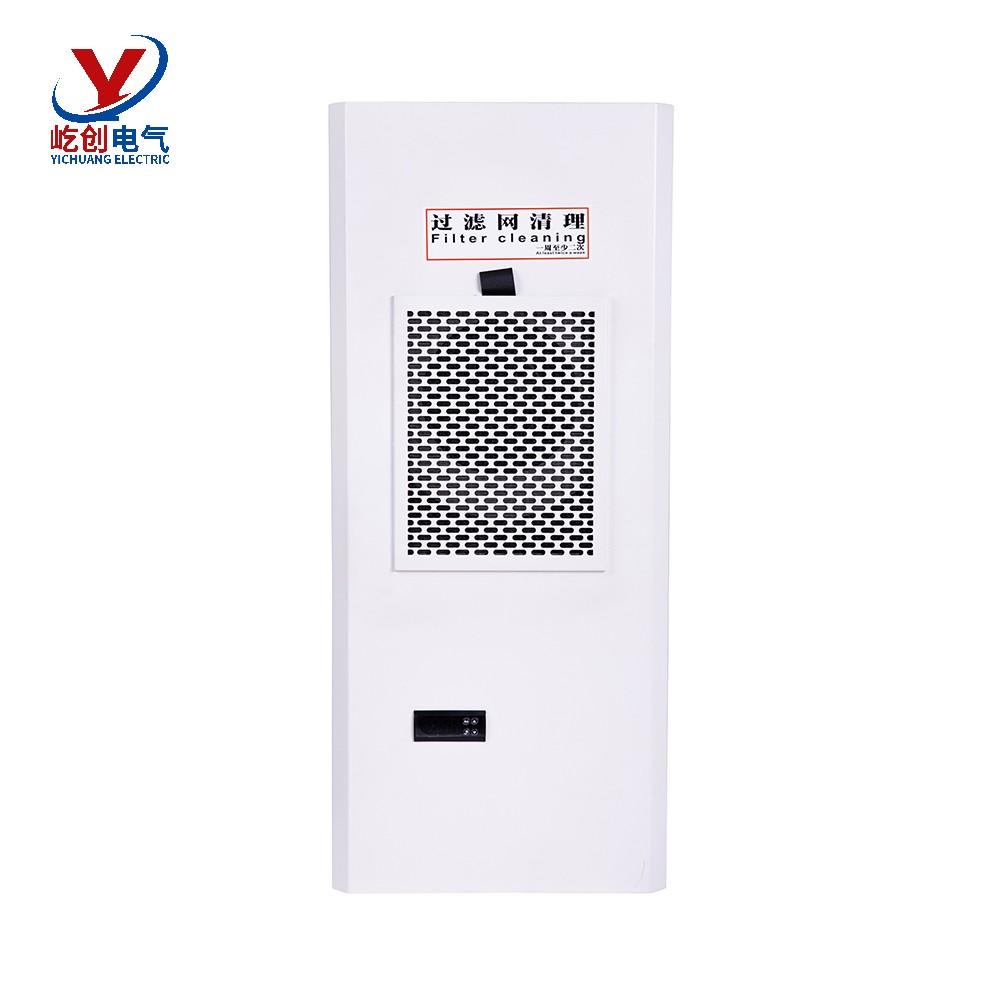
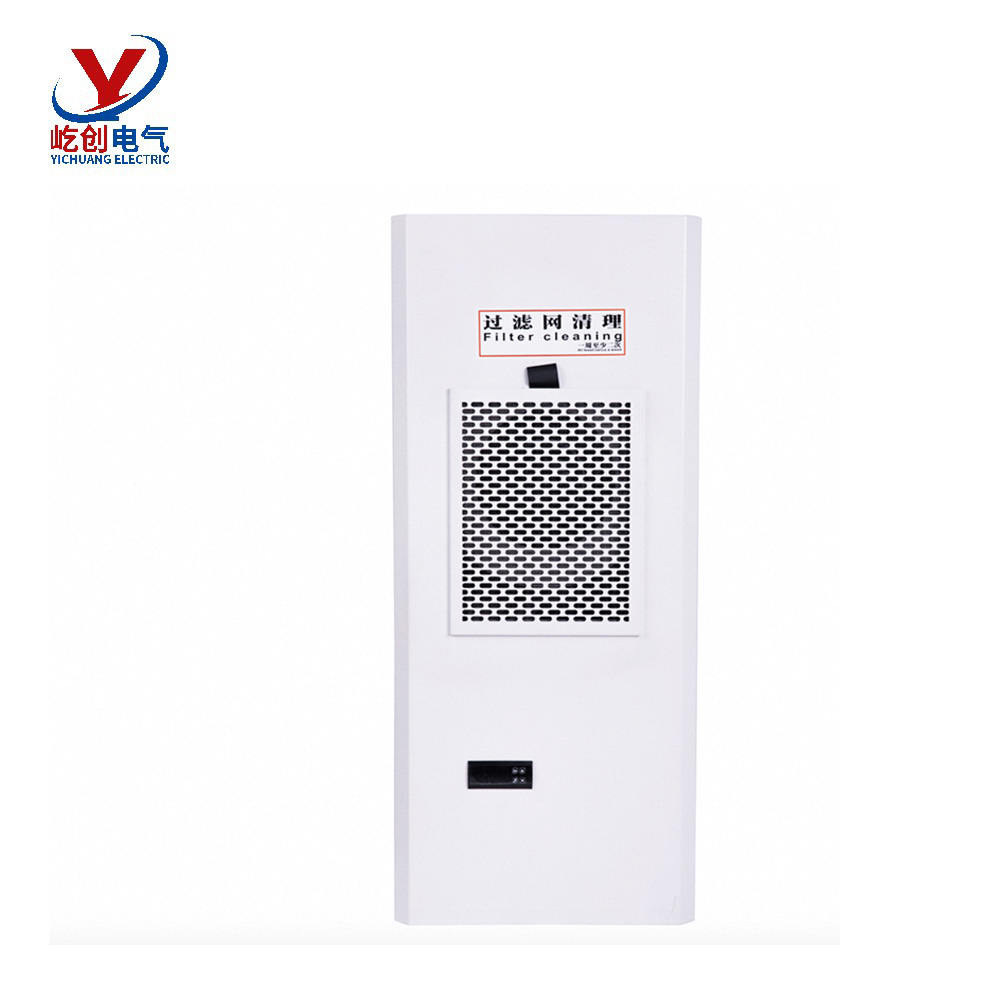
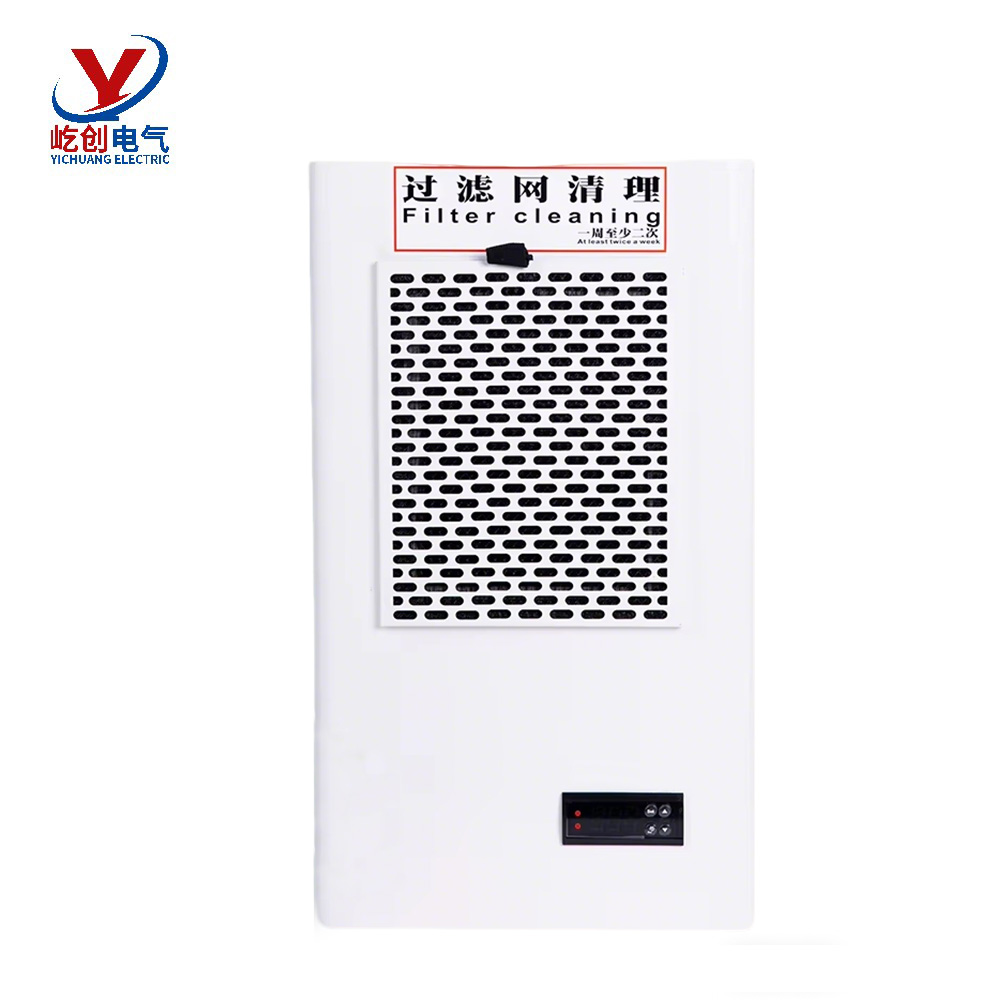
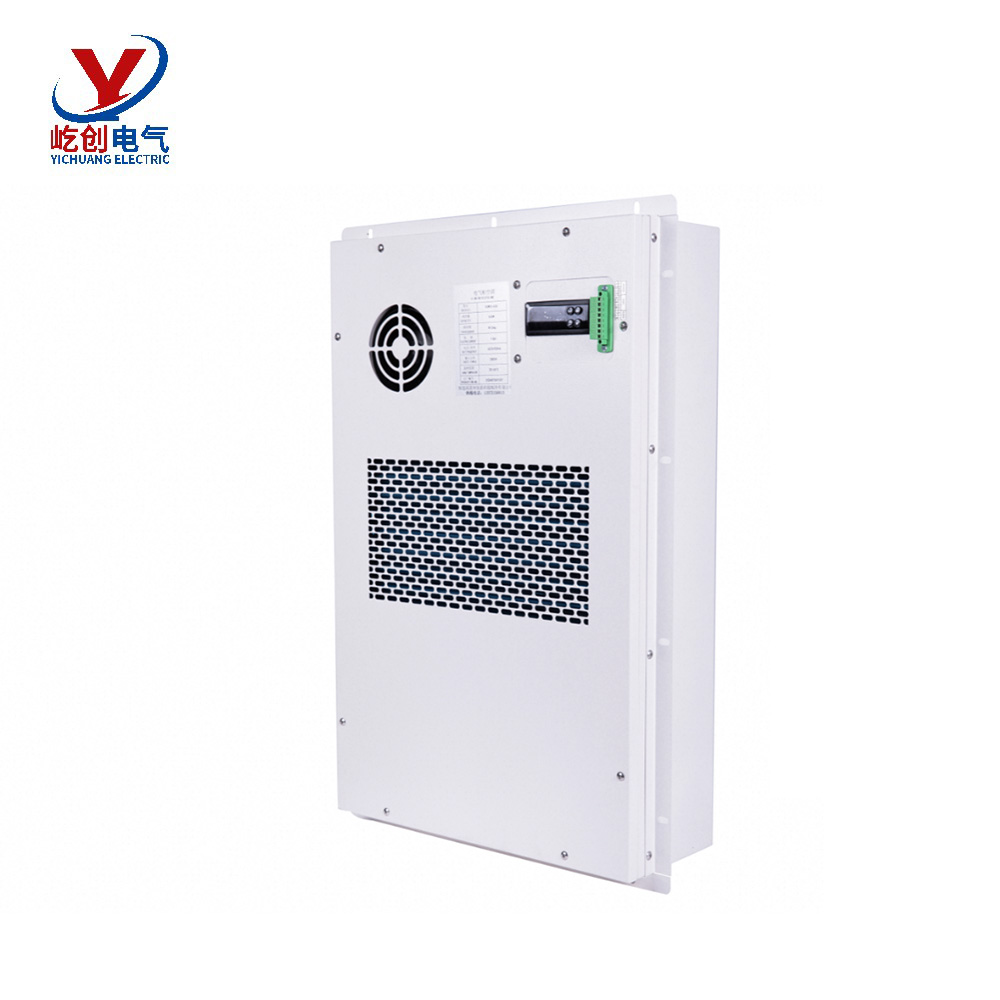
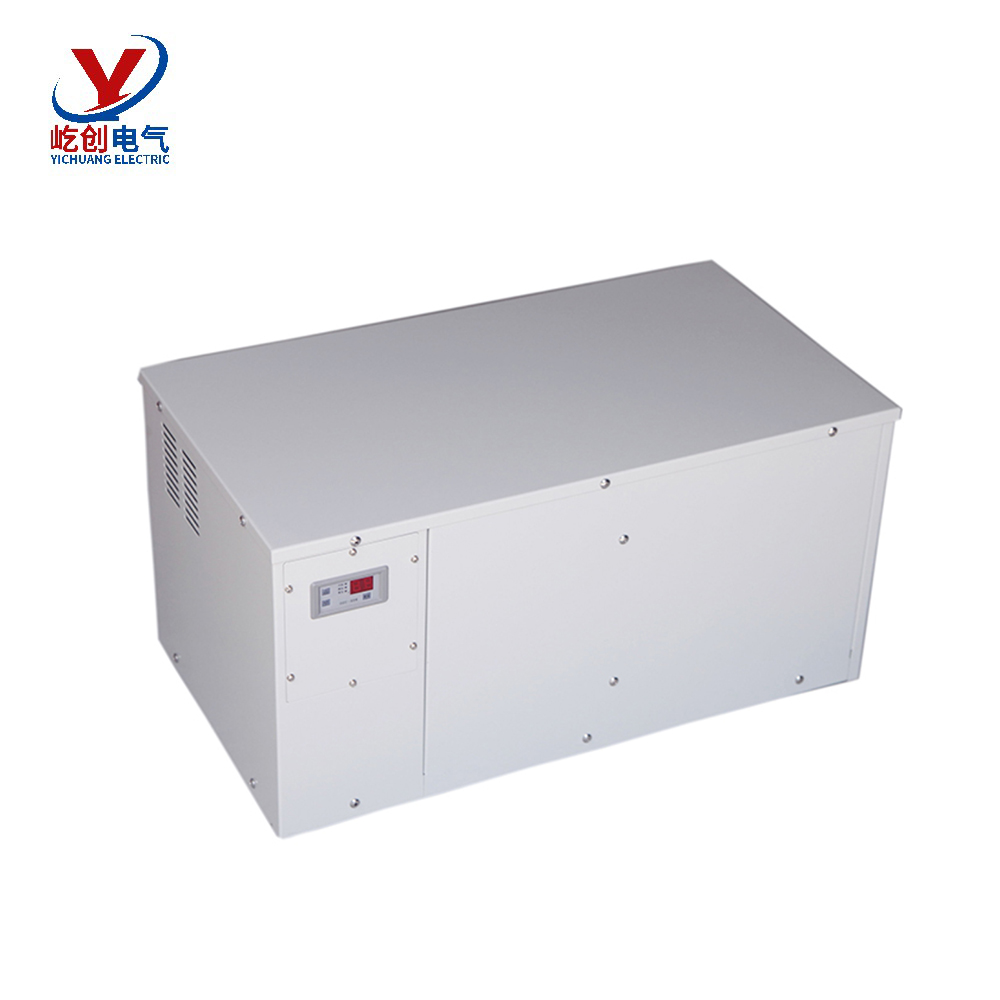
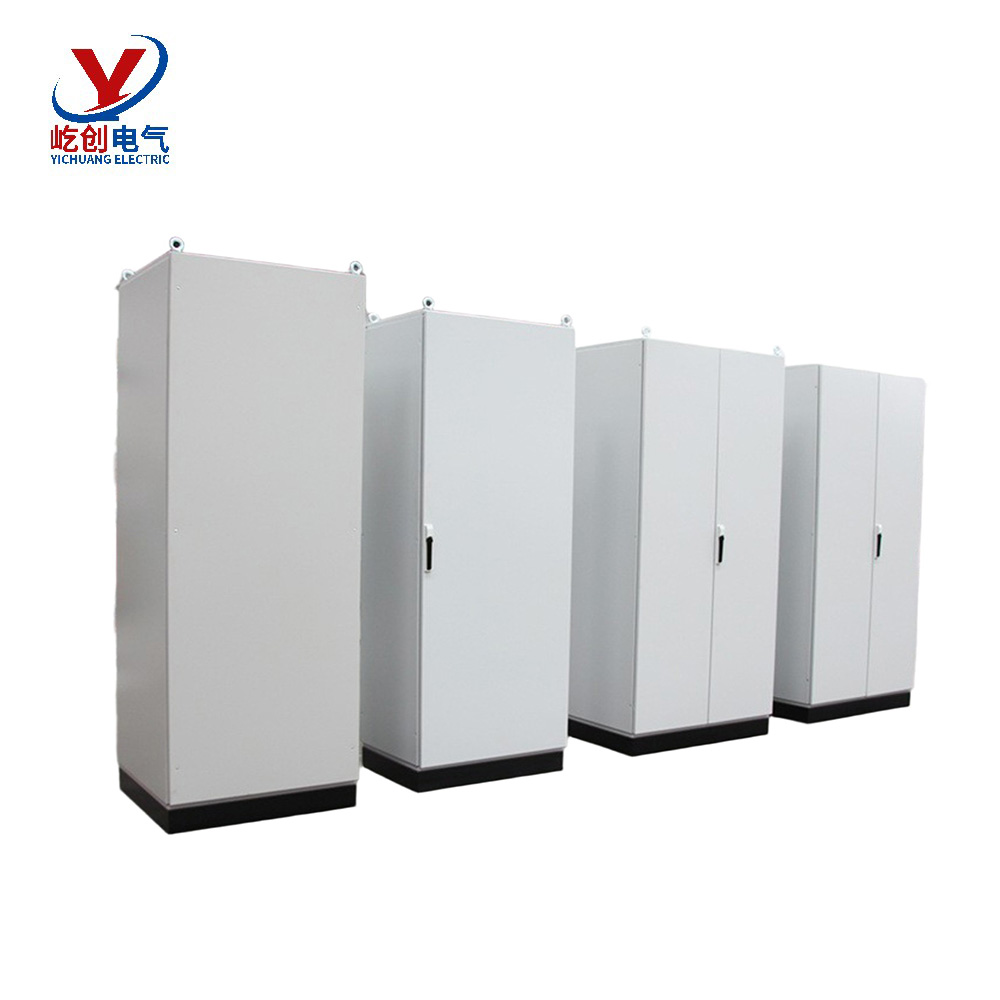
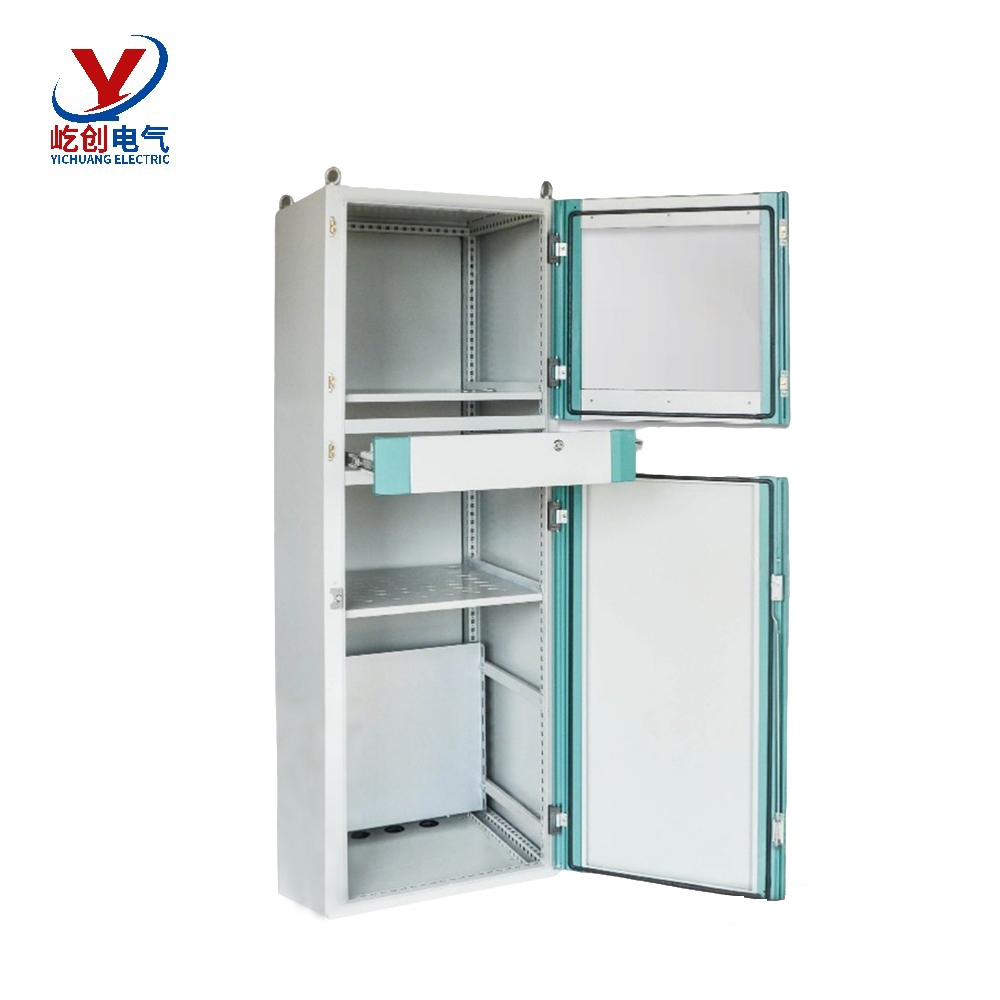
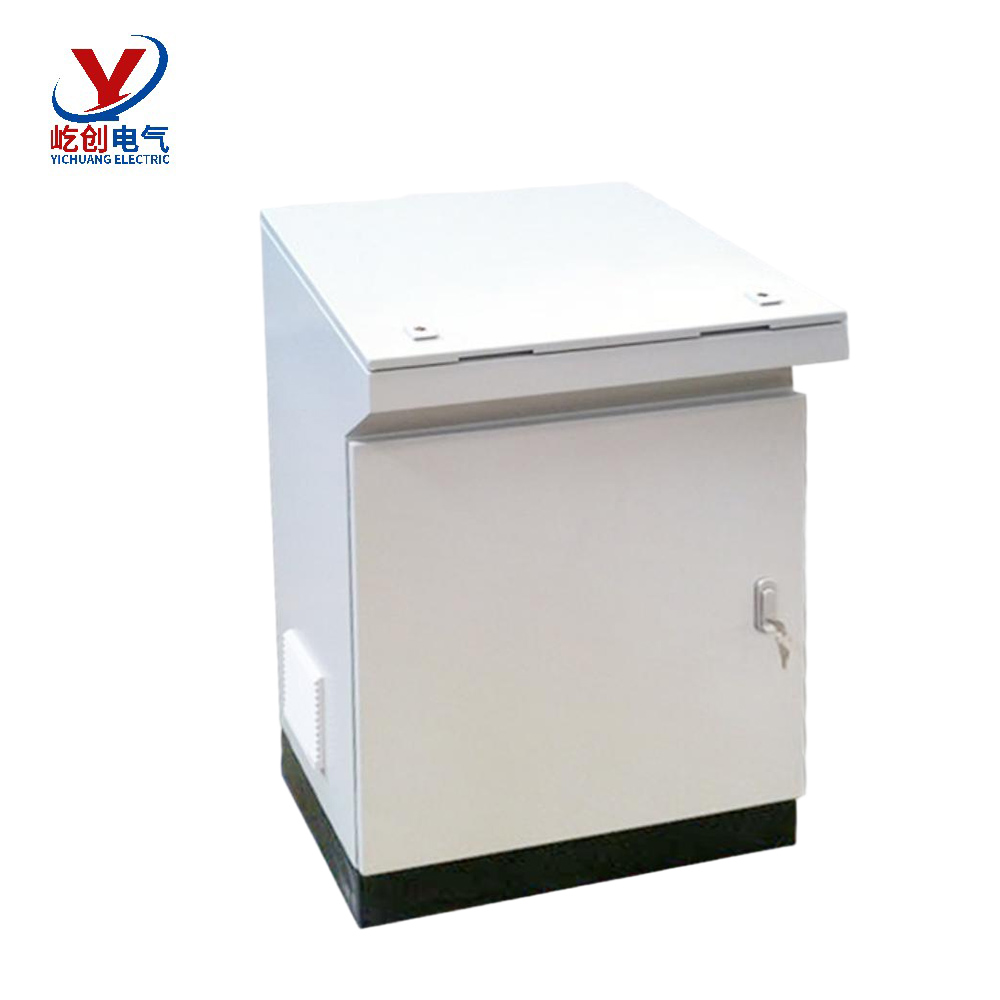

Suzhou Yichuang Electrical Equipment Co., Ltd. is a professional manufacturing enterprise integrating research and development, production and sales, which is committed to providing high-quality, customized and reliable sheet metal cabinets and related supporting products for various industrial fields.
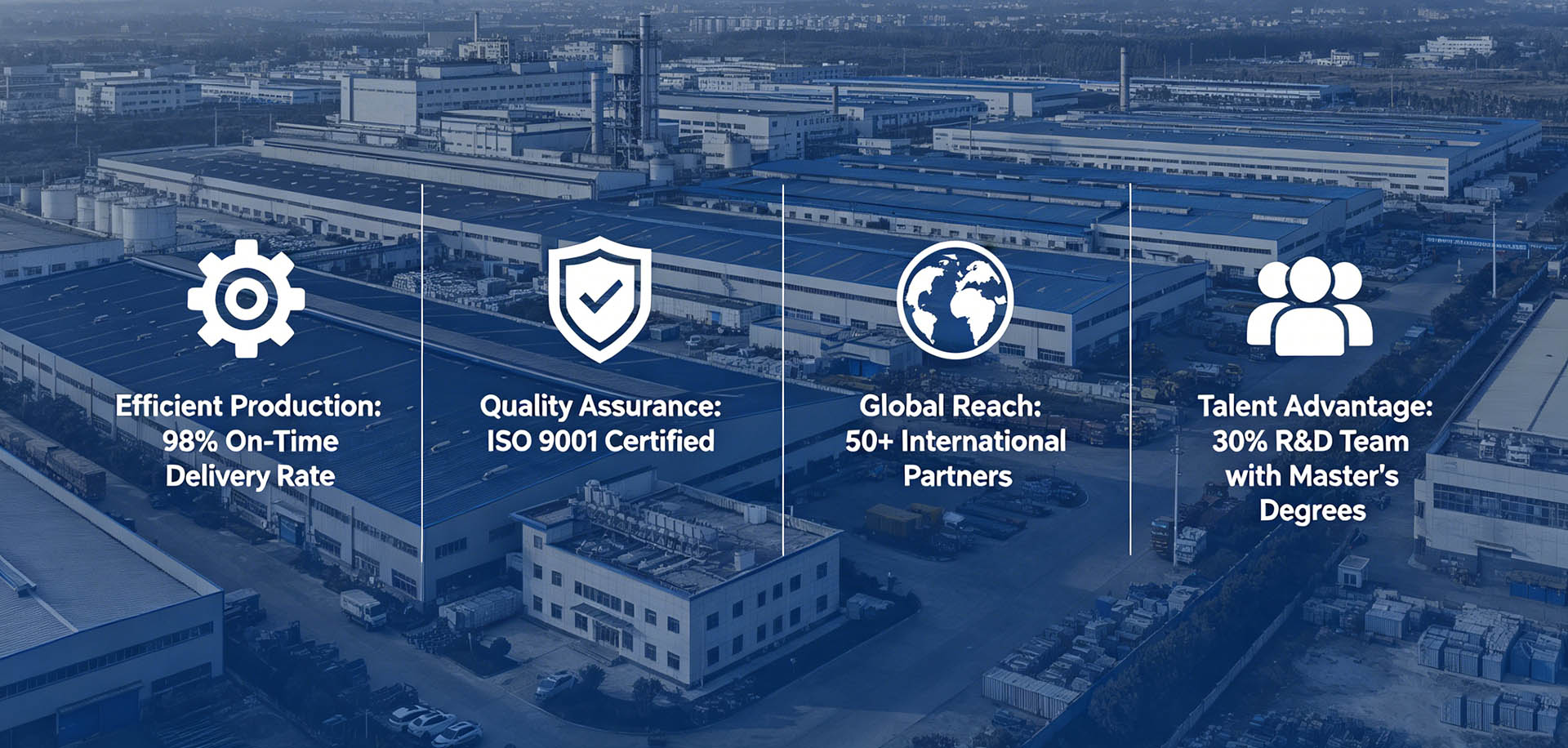
With over 20 years of manufacturing experience and 25 years of design expertise, we have conducted more than 50,000 product fatigue tests to ensure every junction terminal box, control cabinet, and enclosure we produce meets the highest standards of durability and precision — qualities that R&D projects demand above all else.
View More Contact Us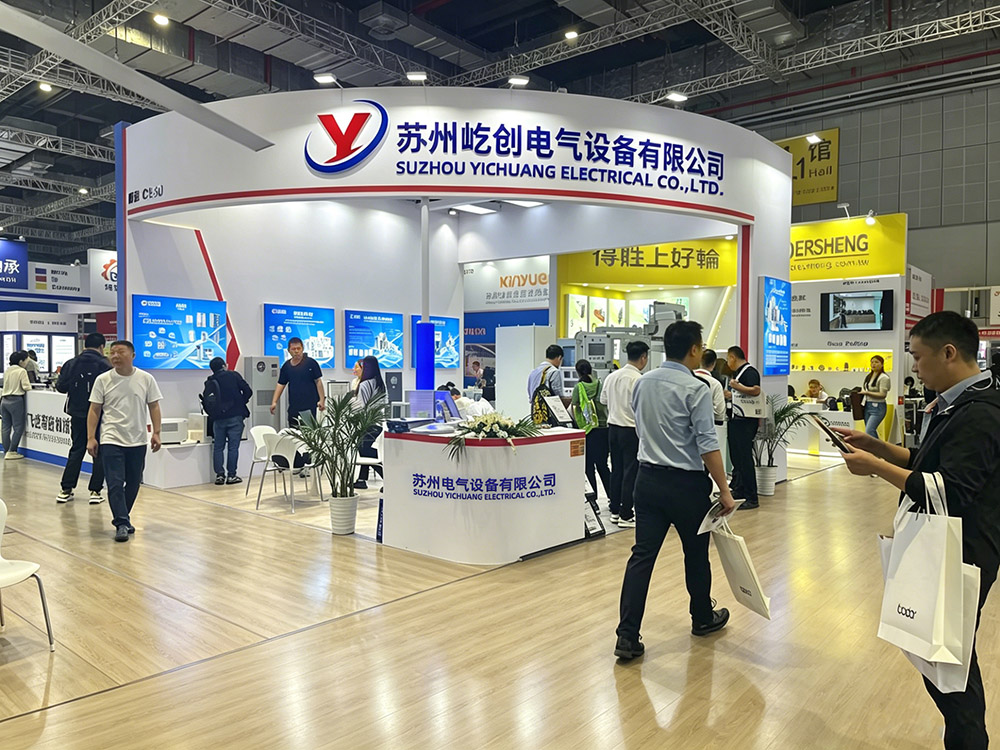
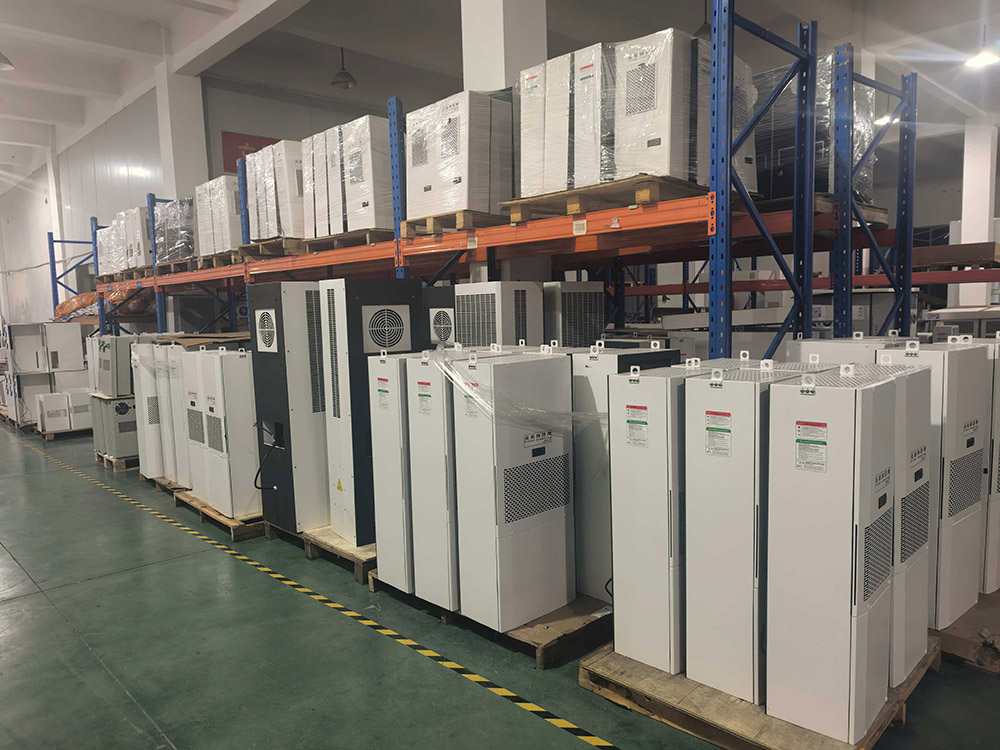
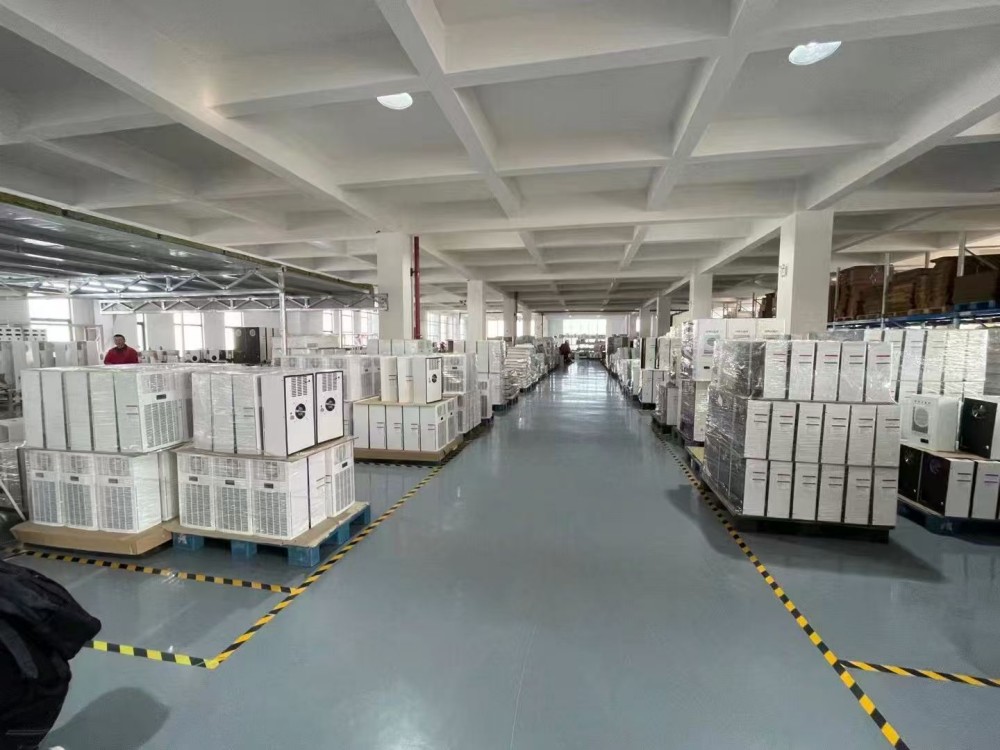
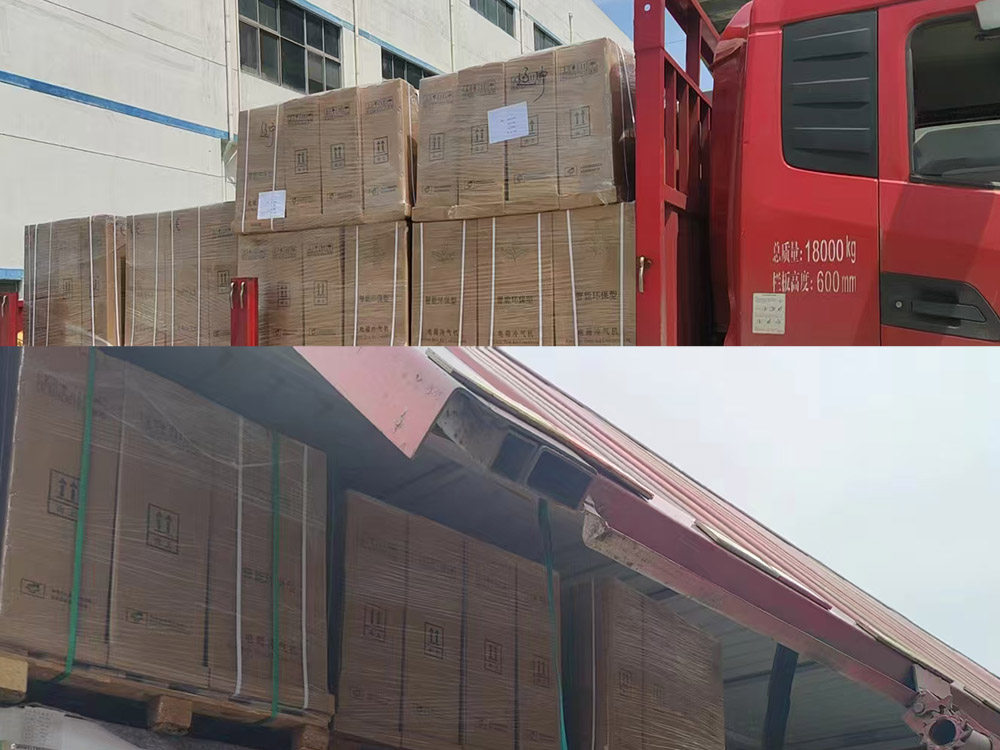
The product is applied in fields such as mechanical manufacturing, electronic information, power engineering, petrochemicals, intelligent transportation, and environmental protection.


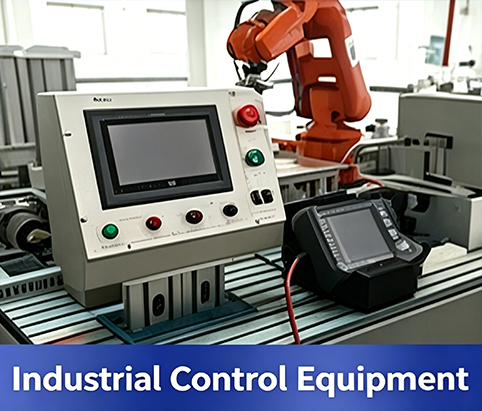
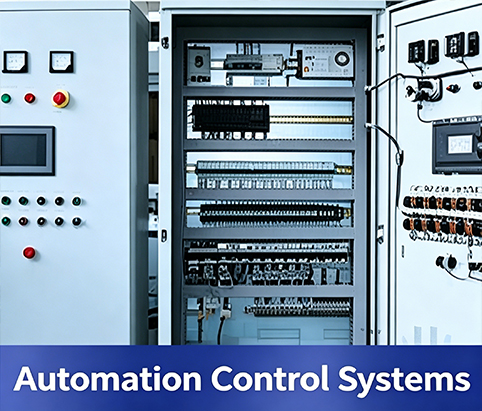
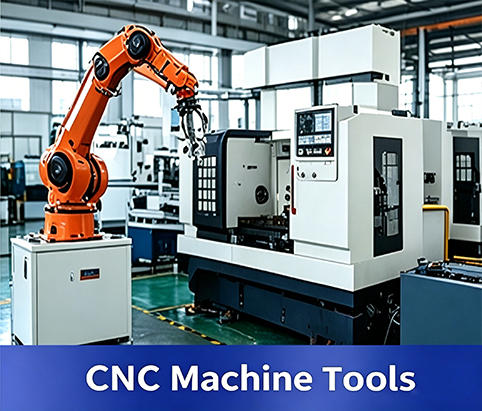
From university research centers to Fortune 500 R&D facilities — here is why engineering teams trust our enclosure solutions for their most demanding projects.
Our CNC bending, laser cutting, and automated welding lines enable delivery of fully custom junction terminal boxes in as little as 5–7 business days — keeping your R&D project on schedule even when specifications change at the last minute.
CE, RoHS, UL, and ISO certifications with full material traceability reports — providing the documentation trail required for academic publications, regulatory submissions, and corporate R&D audit processes.
Our in-house engineering team — with 25+ years of design expertise — provides free DFM (Design for Manufacturability) reviews, thermal simulation guidance, and wiring layout optimization for complex R&D enclosure projects.
The company will continue to adhere to the concept of technological innovation and quality improvement, continuously upgrade products and services, and strive to become a leading enterprise in the domestic industrial sheet metal cabinet manufacturing industry, creating greater value for customers and society.
 Company News
 Company News
 Company News