Inquiry
Form loading...
Explore our top-rated industrial metal enclosures designed for high-heat environments, offering superior thermal management and structural reliability during peak summer operations.
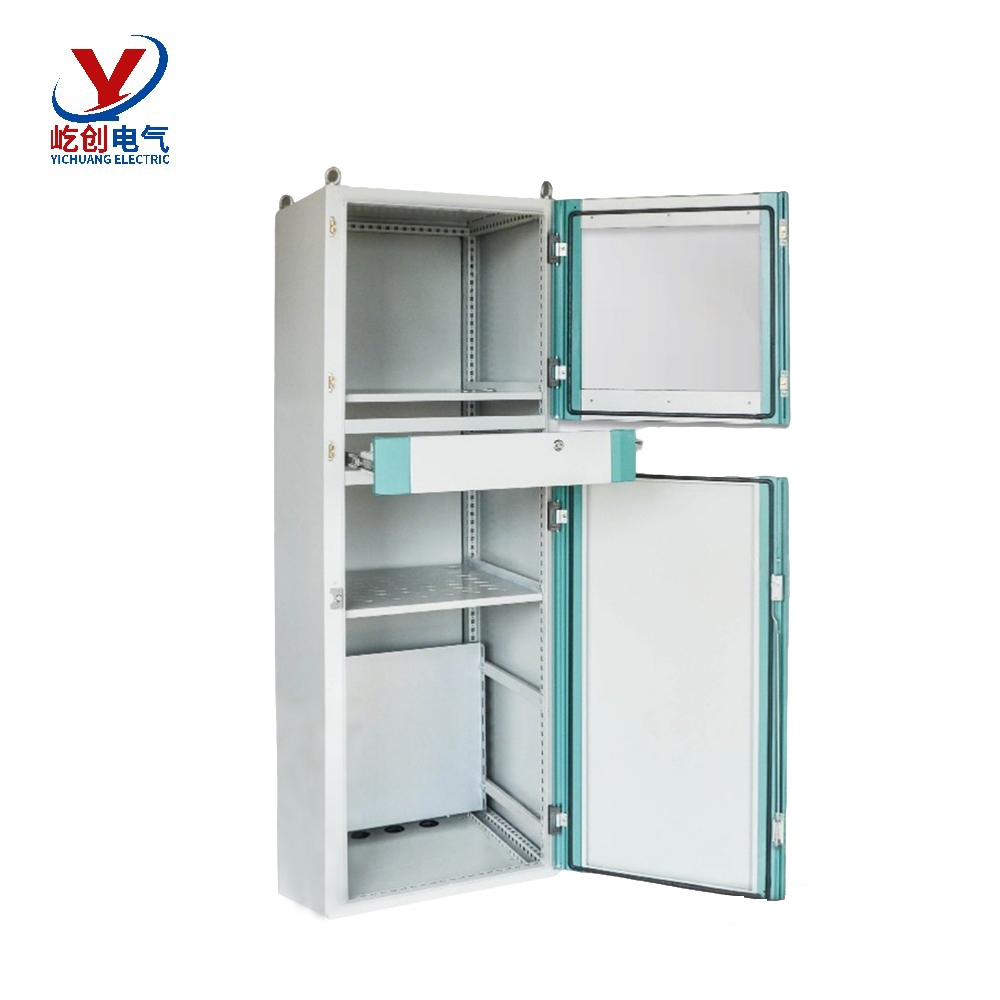 Rittal Style Luxury PC Computer Cabinet - Industrial Electrical Enclosure for Computer Control
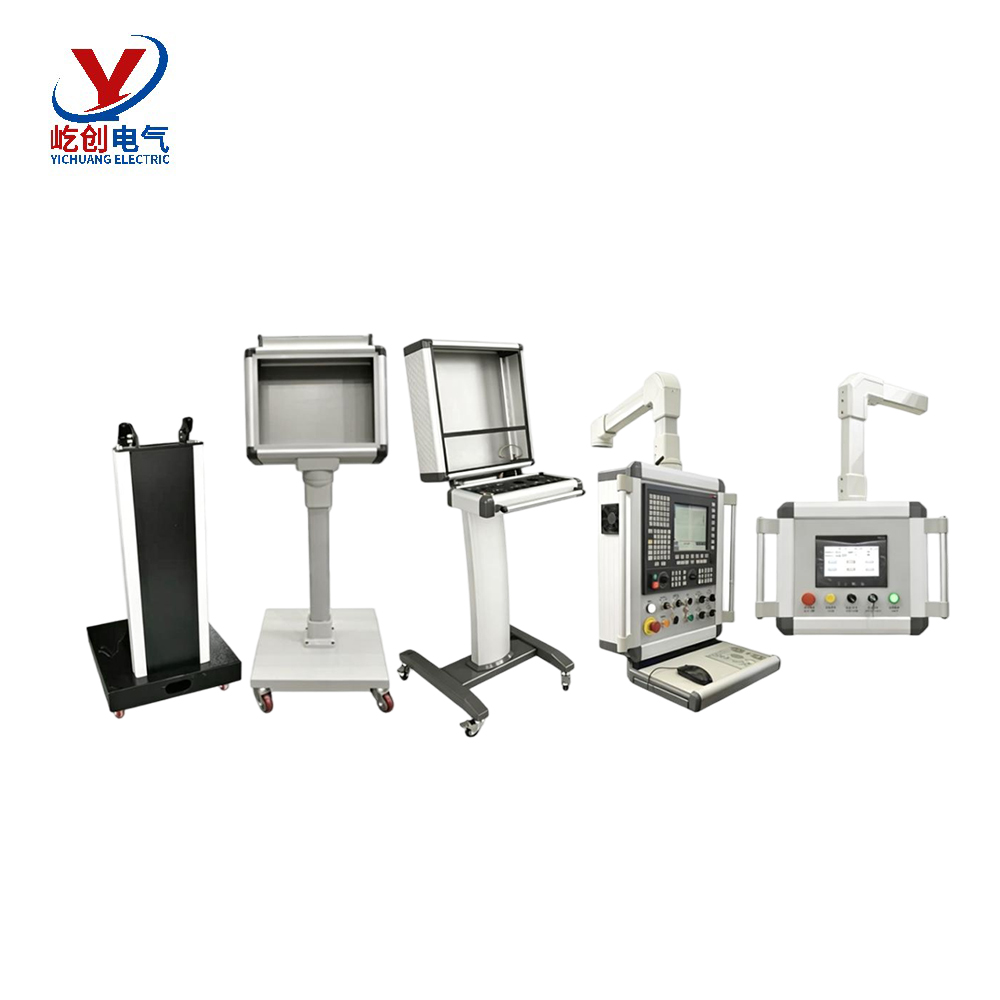 Rittal-Style Aluminum Cantilever Enclosure | Arm System & Swing Arm Control Box
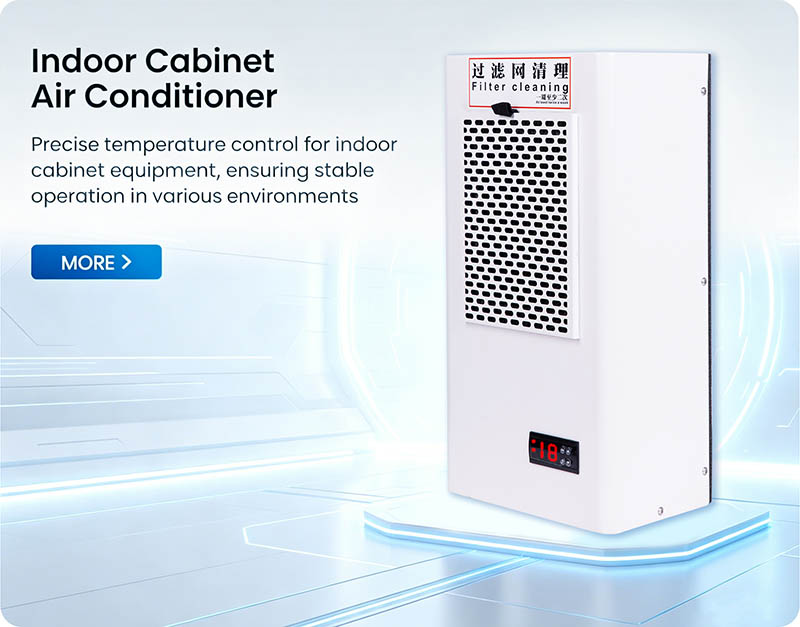
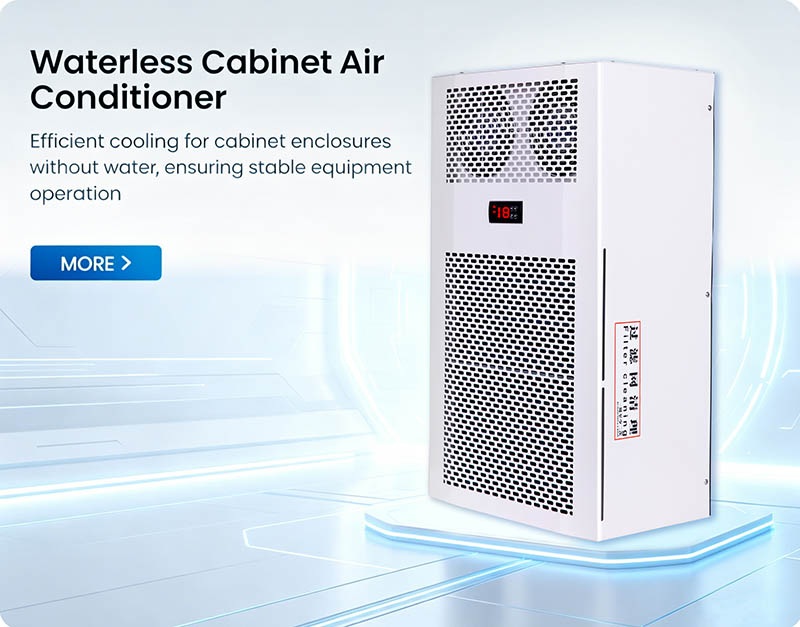
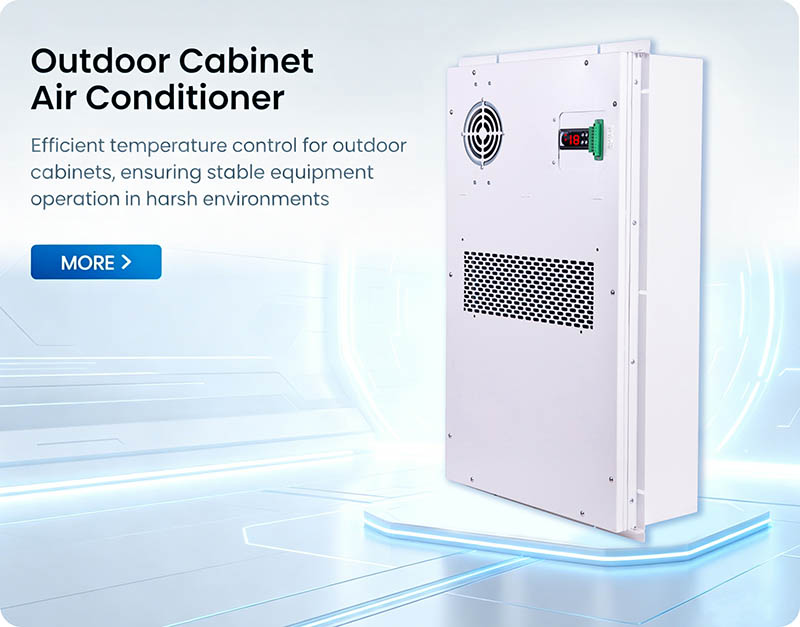
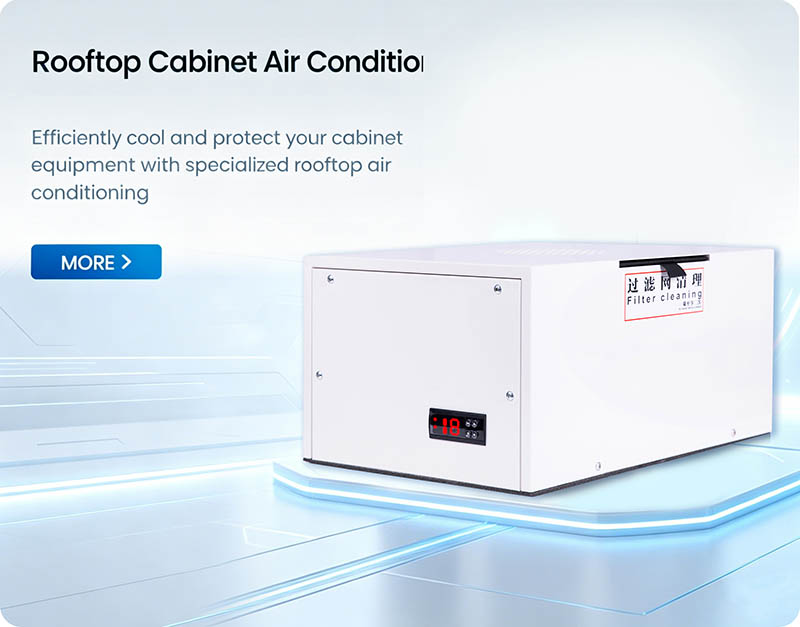
Why thermal resilience is now the #1 specification demand for industrial enclosures worldwide
As global temperatures continue to break records each successive summer, the industrial and commercial sectors are facing an unprecedented challenge: keeping sensitive electronic and electrical equipment safe inside metal enclosures when ambient temperatures routinely exceed 40°C (104°F). The global industrial enclosure market, valued at over USD 7.2 billion in 2024, is experiencing a structural shift driven by climate change, accelerating industrial automation, and the rapid expansion of outdoor infrastructure such as 5G base stations, EV charging networks, and smart grid substations.
Peak summer heat is the #1 cause of unplanned industrial downtime. Studies show that for every 10°C rise above the rated operating temperature of electronic components, failure rates double. Metal enclosures with integrated active cooling solutions are now considered mission-critical infrastructure across manufacturing, energy, and transportation sectors.
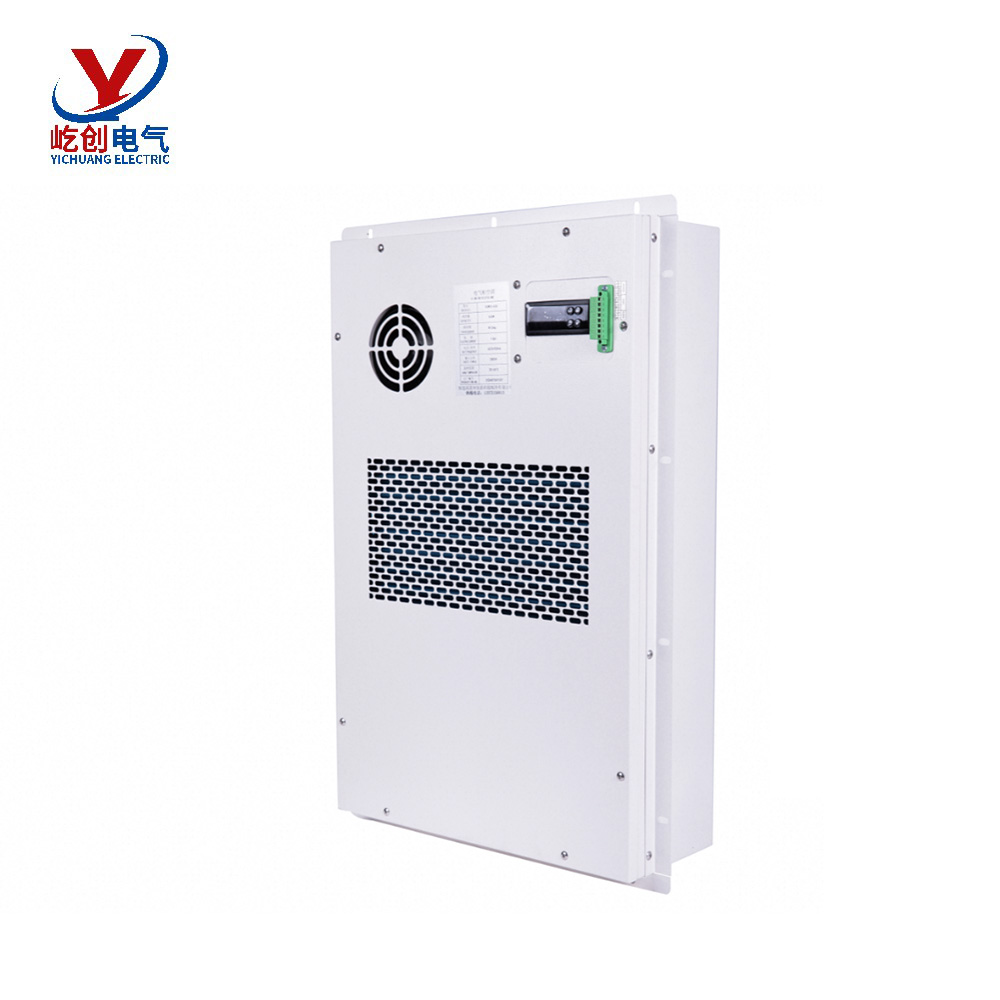
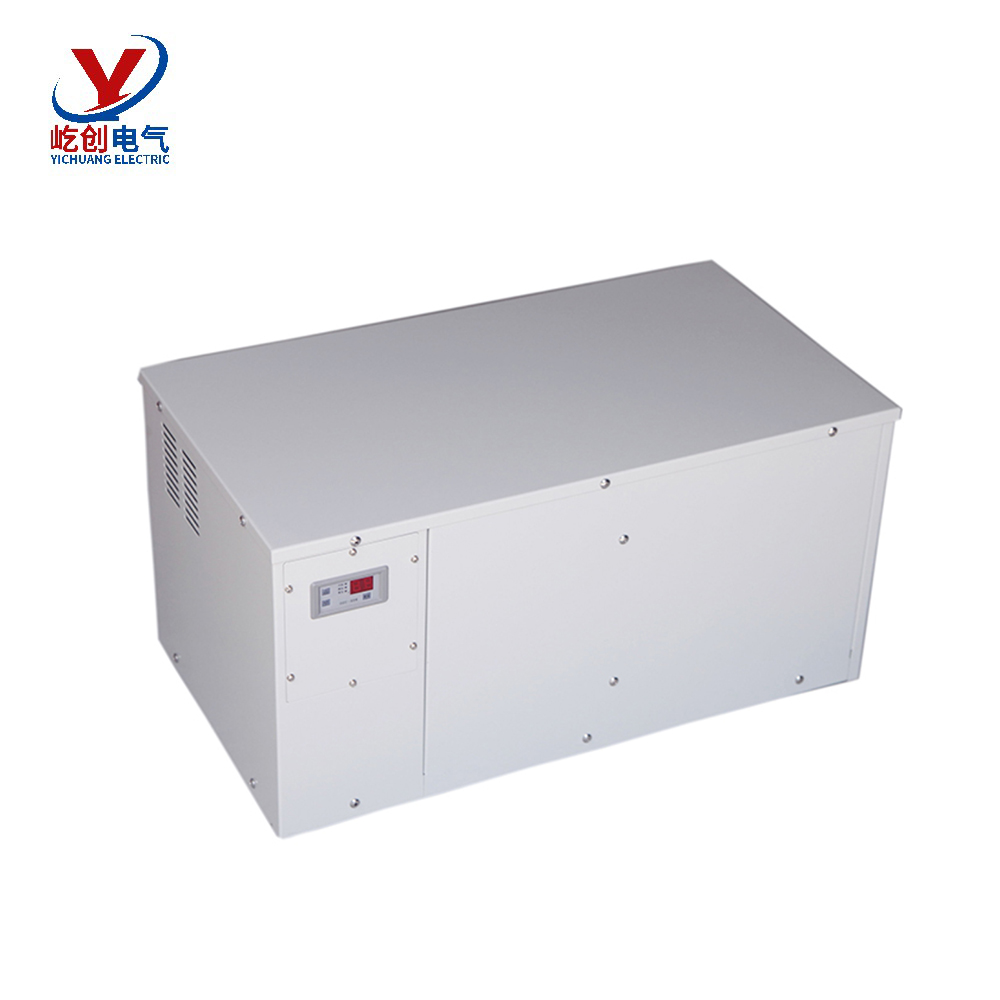
The commercial demand for high-performance metal enclosures spikes dramatically during Q2 and Q3 of every calendar year — precisely the peak summer months. Procurement teams across industries ranging from automotive manufacturing to renewable energy are placing bulk orders for enclosures equipped with side-mounted or top-mounted industrial air conditioners, heat exchangers, and thermoelectric cooling units. The competitive pressure to deliver uptime guarantees and meet stringent SLA requirements is pushing buyers to prioritize thermal management as a primary selection criterion, ahead of even price.
The metal enclosure industry is undergoing a profound transformation, driven by the convergence of digitalization, sustainability mandates, and extreme weather adaptation. Here are the key trends defining the market in 2025 and beyond:
Next-generation enclosures are being equipped with embedded IoT sensors, real-time temperature monitoring dashboards, and AI-driven cooling control algorithms. These systems automatically adjust fan speeds, activate supplemental cooling units, and send alerts when thermal thresholds are approached — dramatically reducing the risk of heat-related failures during summer peaks.
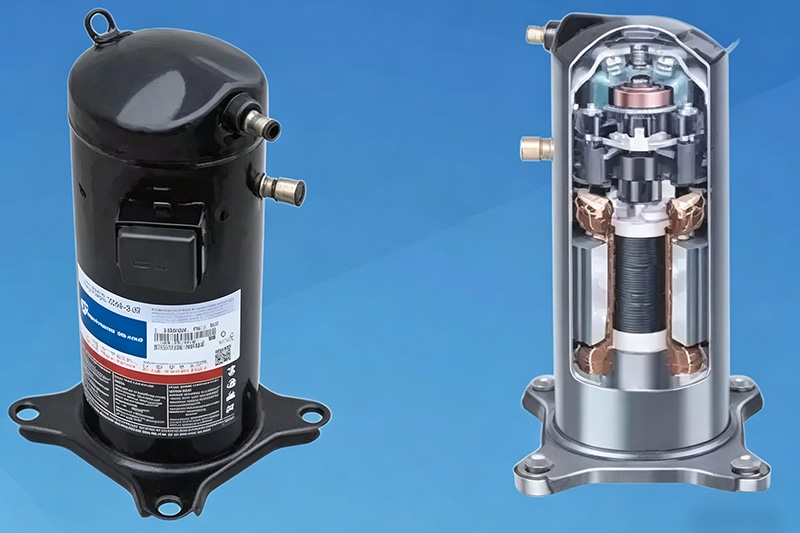
Regulatory pressure from the EU F-Gas Regulation and global HFC phase-down agreements is accelerating the transition to low-GWP refrigerants such as R32, R290, and R134a in cabinet air conditioners. Manufacturers are simultaneously optimizing compressor efficiency to reduce power consumption by up to 35% compared to legacy cooling systems, making summer operation significantly more economical.
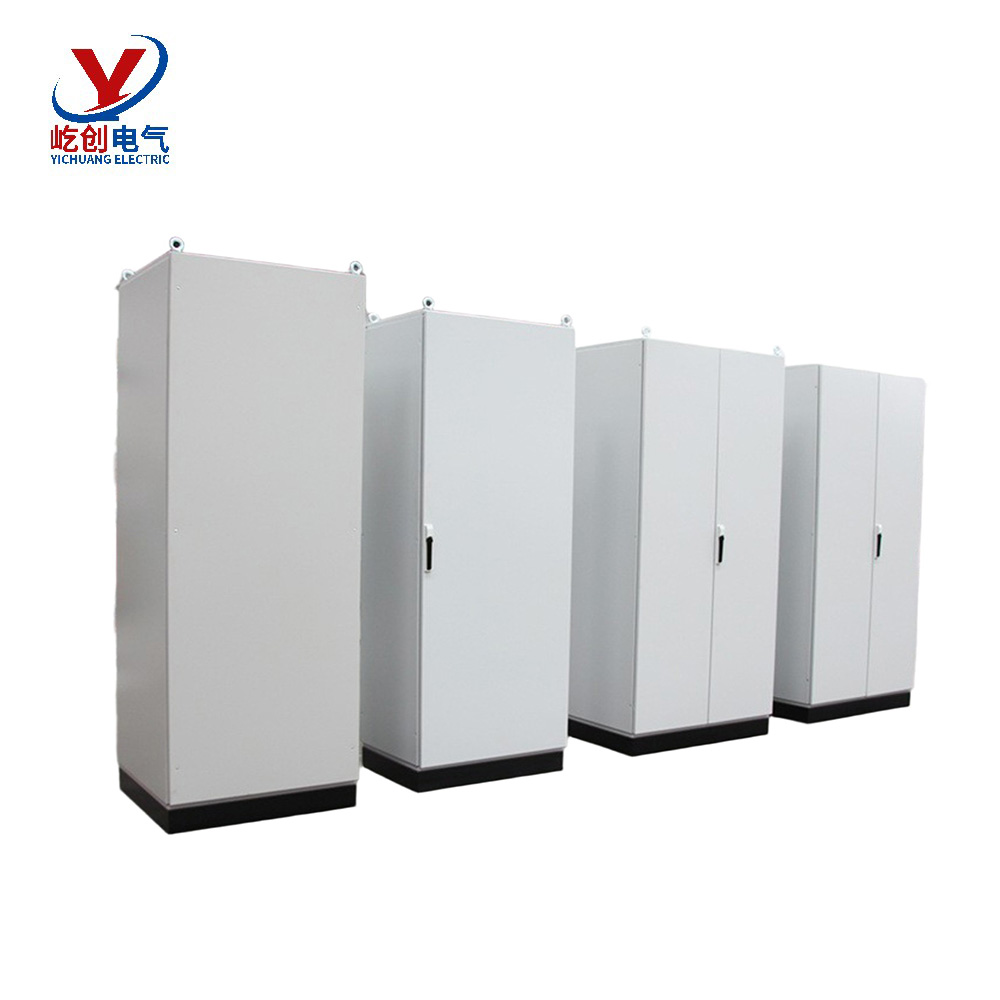
The Rittal-style modular enclosure concept has become the de facto industry standard for large-scale deployments. Buyers can combine standard baying sections, add cantilever arm systems, integrate climate control units, and customize door configurations — all while maintaining IP55/IP65 protection ratings essential for dusty or humid summer environments.
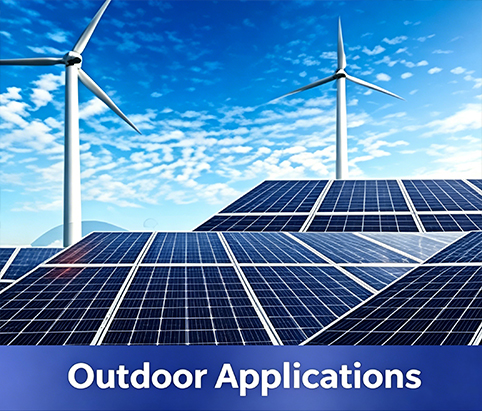
The explosive growth of outdoor infrastructure — including solar farms, wind turbine control systems, highway traffic management, and EV charging stations — is driving demand for enclosures rated for continuous operation at 55°C+ ambient temperatures. Split wall-mounted industrial air conditioners and high-temperature-rated cabinet ACs are becoming standard fitments for these applications.
Cold-rolled steel with polyester powder coating remains the workhorse material, but summer-focused applications are seeing increased adoption of 304/316 stainless steel for corrosion resistance in coastal and chemical environments, as well as aluminum alloy enclosures for lightweight cantilever and operator panel applications where heat dissipation through the enclosure body itself is beneficial.
Leading manufacturers are offering digital twin services for their enclosure systems, enabling operators to simulate thermal loads, plan maintenance schedules, and predict cooling unit service intervals based on actual summer operating data. This capability is particularly valuable for large industrial facilities managing hundreds of enclosures across multiple production lines.
Understanding where and how metal enclosures perform under peak summer stress reveals the full scope of engineering challenges — and solutions — involved in modern industrial deployments:
From factory floors to outdoor substations — how engineered metal enclosures protect critical systems when temperatures soar
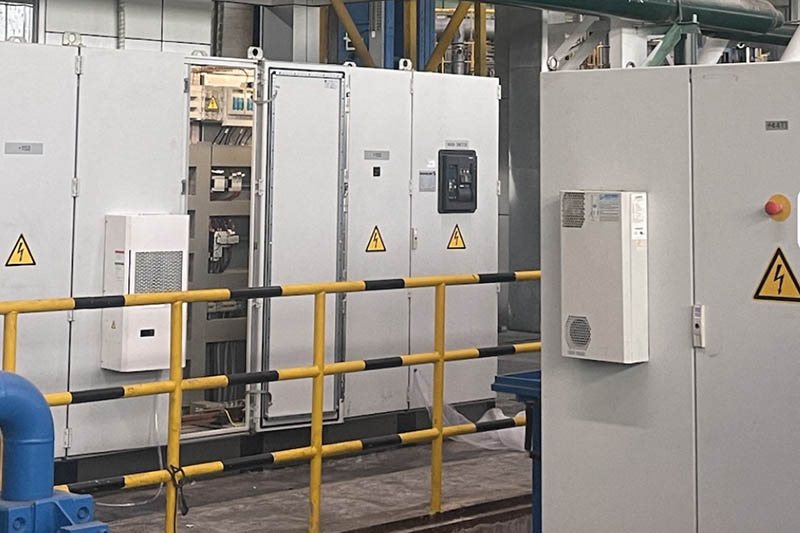
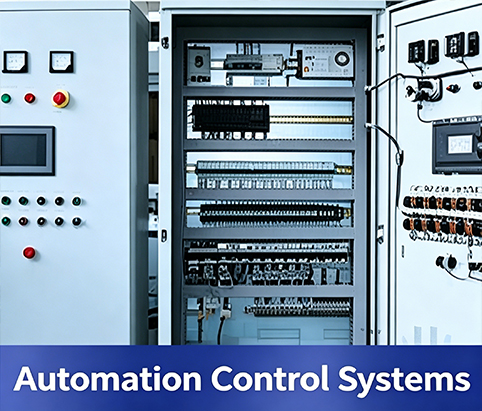
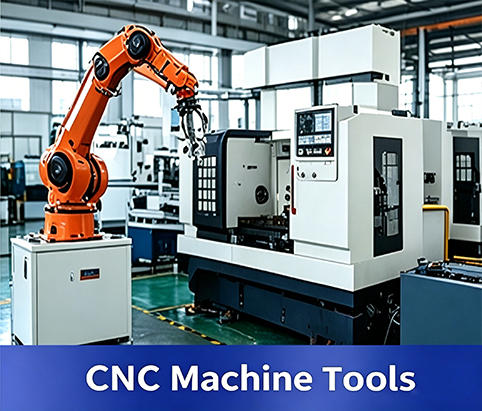
In automotive stamping, welding, and assembly plants, PLC control cabinets and MCC panels are exposed to radiant heat from production machinery, compounded by summer ambient temperatures. Side-mounted industrial cabinet air conditioners maintaining internal temperatures below 35°C are essential to prevent VFD and servo drive failures that can halt an entire production line. Our EA Series and DEA/SKJ top-mounted units are specifically validated for this environment.
Outdoor inverter enclosures and combiner box cabinets at solar farms face direct solar radiation that can raise internal temperatures 20–30°C above ambient. Outdoor high-temperature cabinet air conditioners with IP65 ratings and corrosion-resistant coatings are the preferred solution, ensuring MPPT controllers and monitoring electronics remain within safe operating ranges throughout summer peak generation hours.
Roadside traffic signal controllers, tunnel ventilation management systems, and highway monitoring enclosures are exposed to unshaded summer sun on asphalt surfaces, where ground-level temperatures can exceed 60°C. Compact CE-certified outdoor split wall-mounted industrial air conditioners provide precisely controlled cooling for these mission-critical systems, where failure can have direct public safety implications.
Summer peak electricity demand creates simultaneous thermal stress in power distribution enclosures — higher current loads generate more internal heat exactly when ambient temperatures are at their highest. Rittal-style PS combined cabinets with integrated ventilation and active cooling are deployed in substations to protect relay protection systems, SCADA terminals, and communication equipment from thermal runaway.
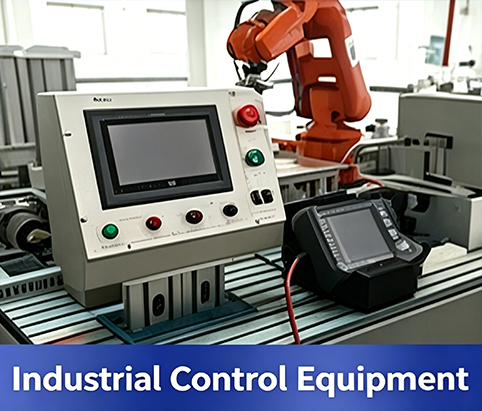
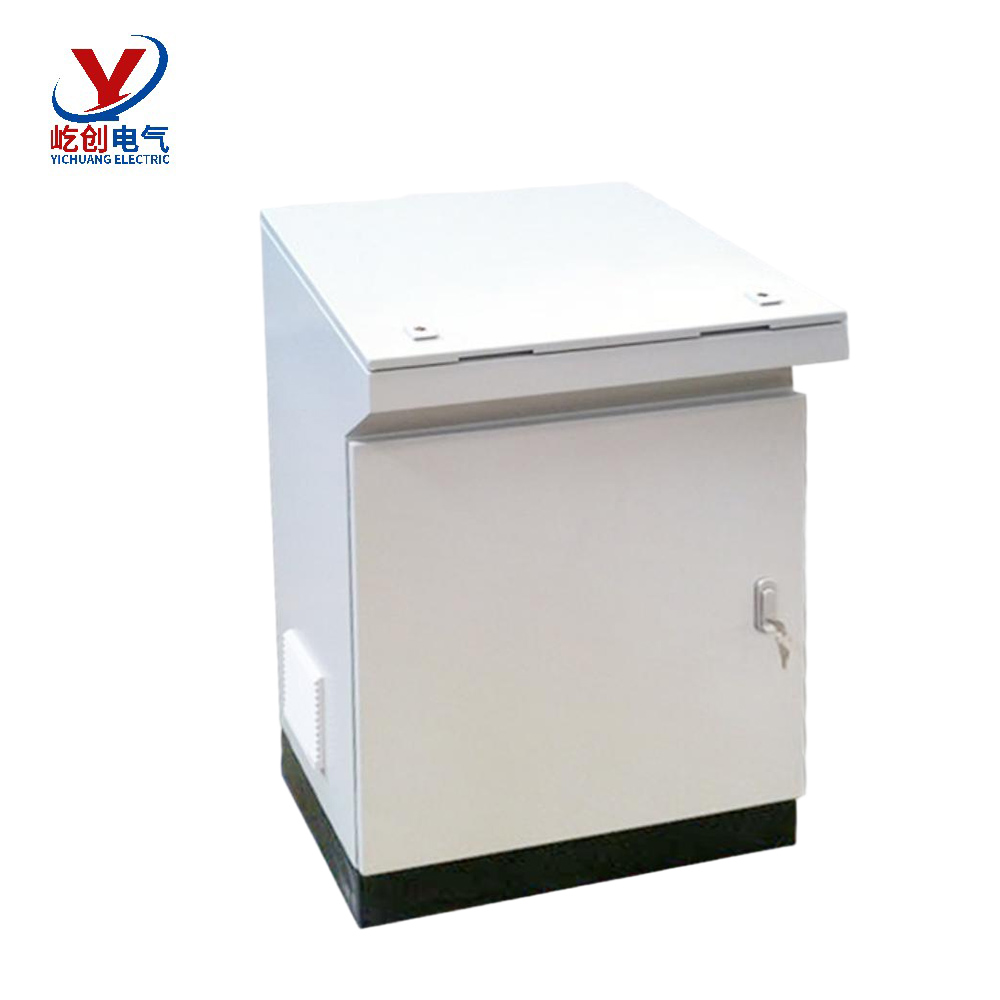
PC-based control systems and HMI operator stations in process industries require stable operating temperatures for reliable data acquisition and control. Luxury PC computer cabinets with integrated climate control ensure that industrial computers, touch screens, and network switches continue operating at rated performance even when the surrounding factory environment reaches summer extremes. Cantilever arm-mounted operator panels provide ergonomic access while maintaining thermal isolation of electronics.
In petrochemical plants, metal enclosures must simultaneously manage summer heat, chemical vapor exposure, and explosion risk zones. Stainless steel cabinets with ATEX-rated cooling solutions and IP66 sealing protect instrumentation and control systems in environments where a single equipment failure can trigger costly and dangerous process upsets. The combination of corrosion-resistant materials and active thermal management is non-negotiable for summer operations in these facilities.
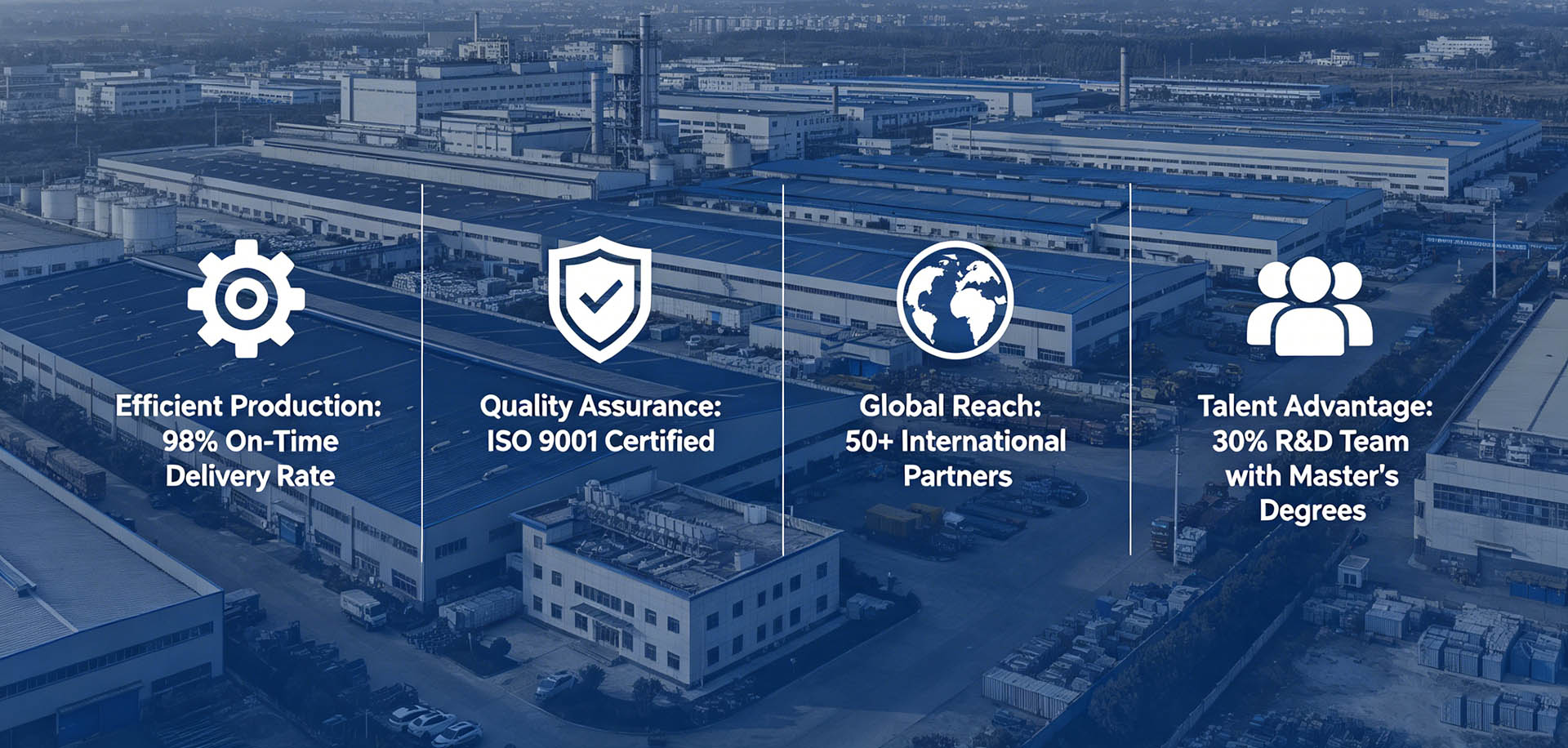
Suzhou Yichuang Electrical Equipment Co., Ltd. is a professional manufacturing enterprise integrating research and development, production and sales, which is committed to providing high-quality, customized and reliable sheet metal cabinets and related supporting products for various industrial fields.
With over 20 years of manufacturing experience and 25+ years of design expertise, we have completed more than 50,000 product fatigue tests to ensure every enclosure meets the highest standards of durability and thermal performance — especially critical during peak summer operations when equipment protection matters most.
View More Contact Us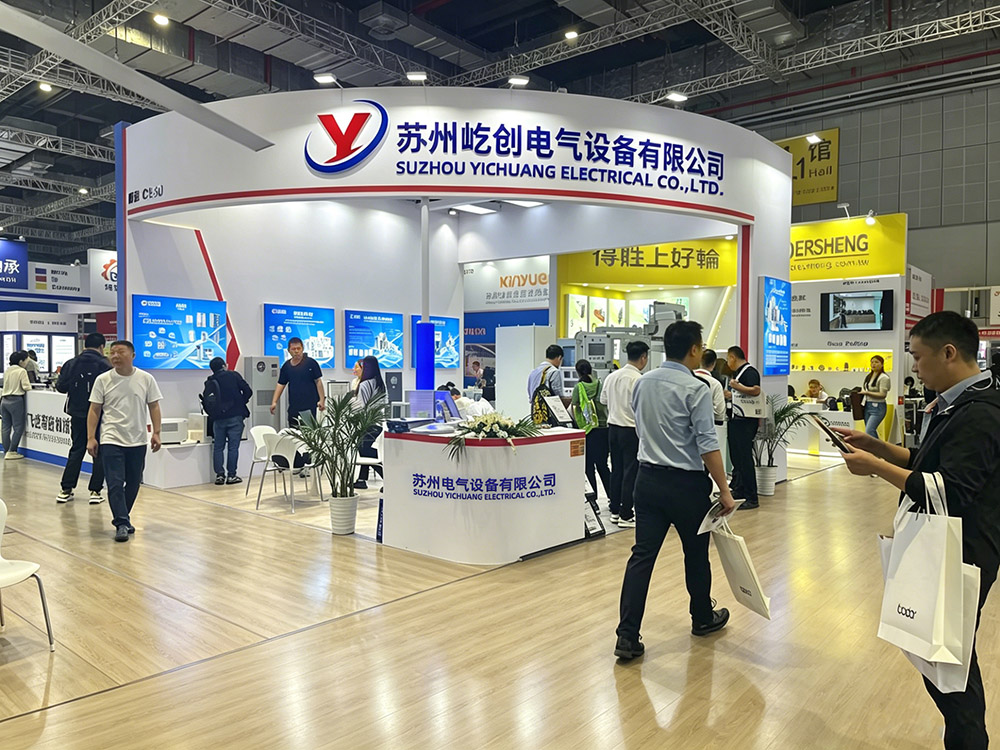
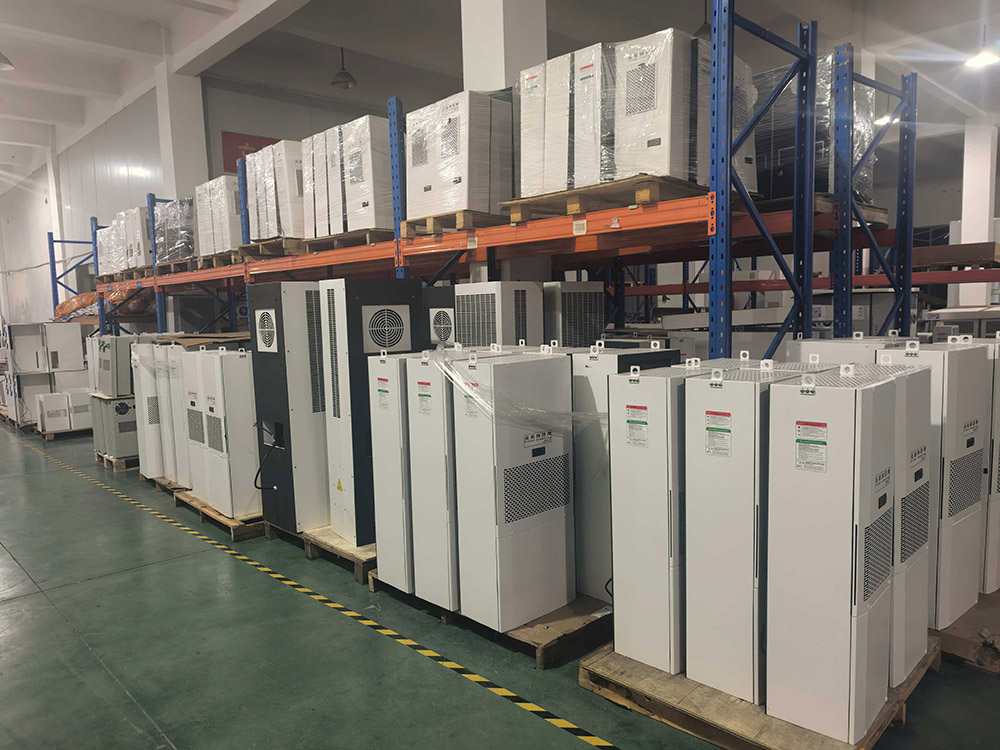
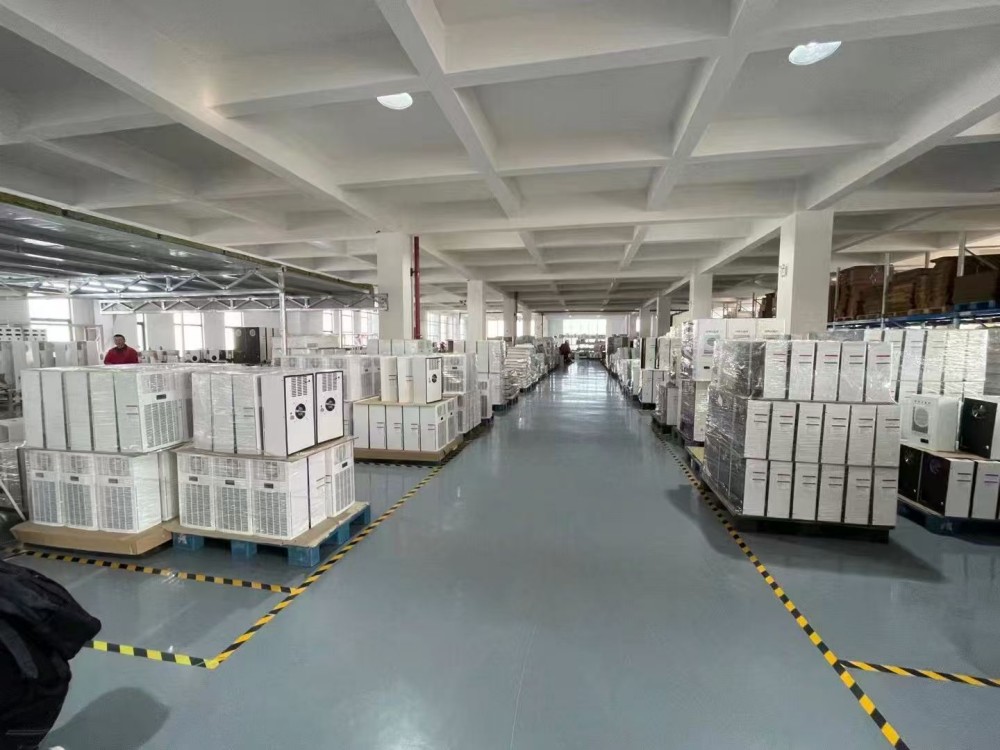
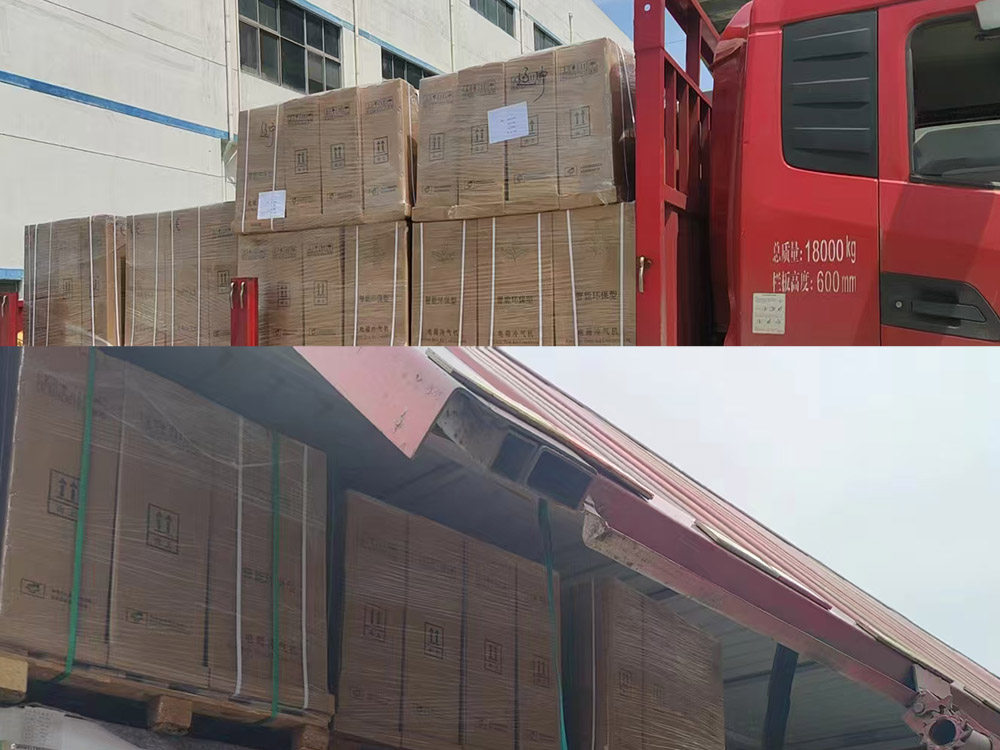
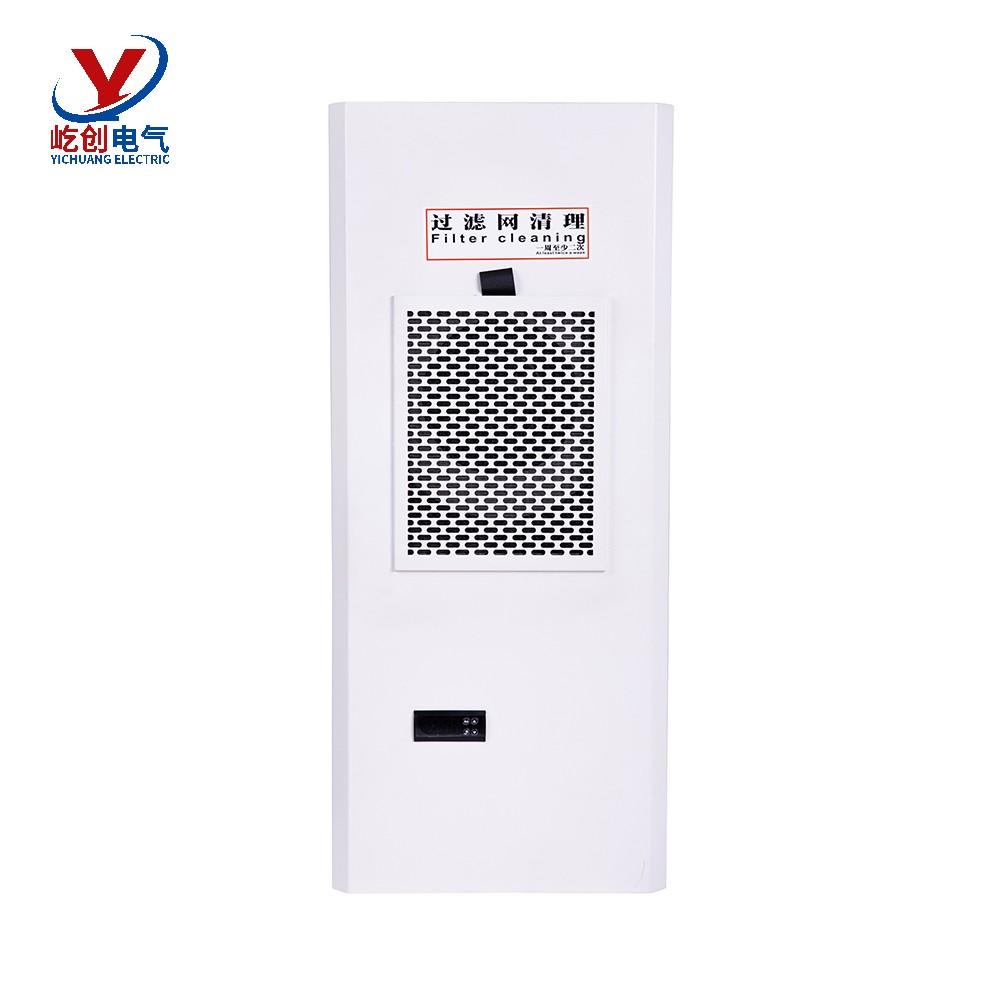
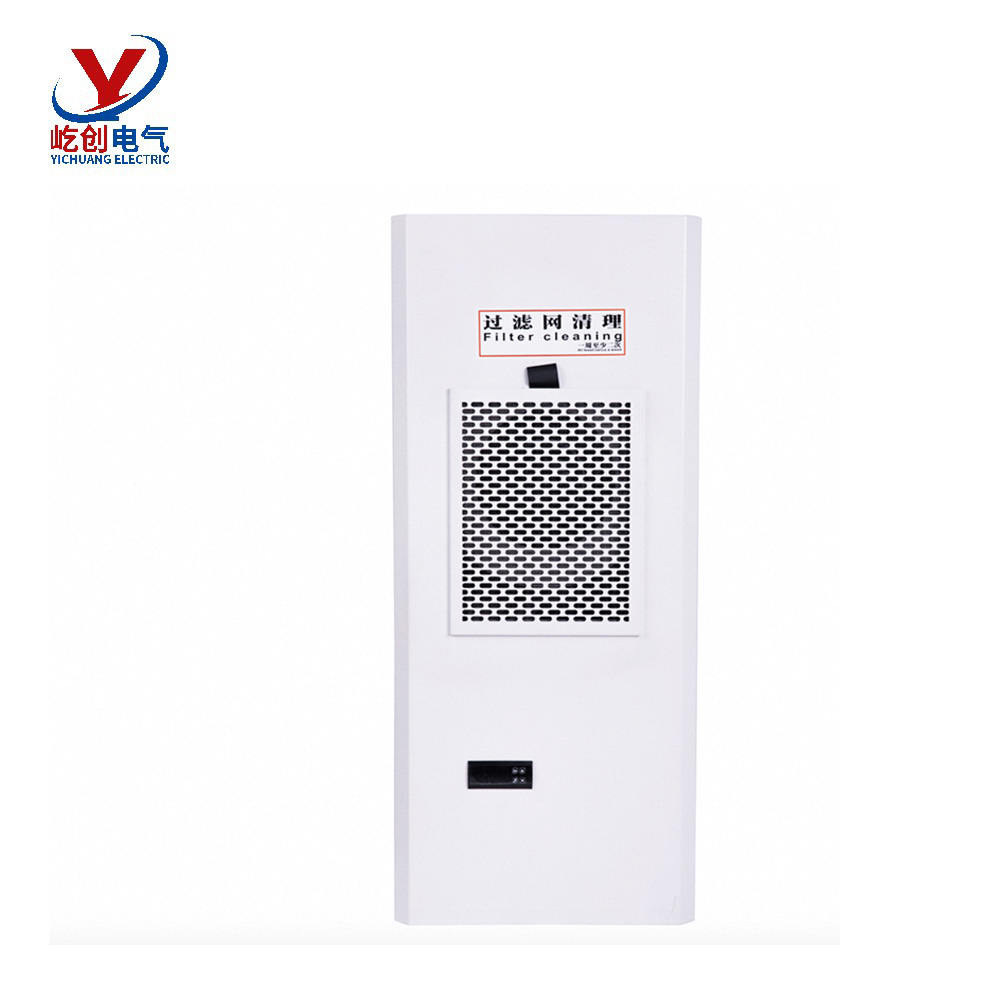
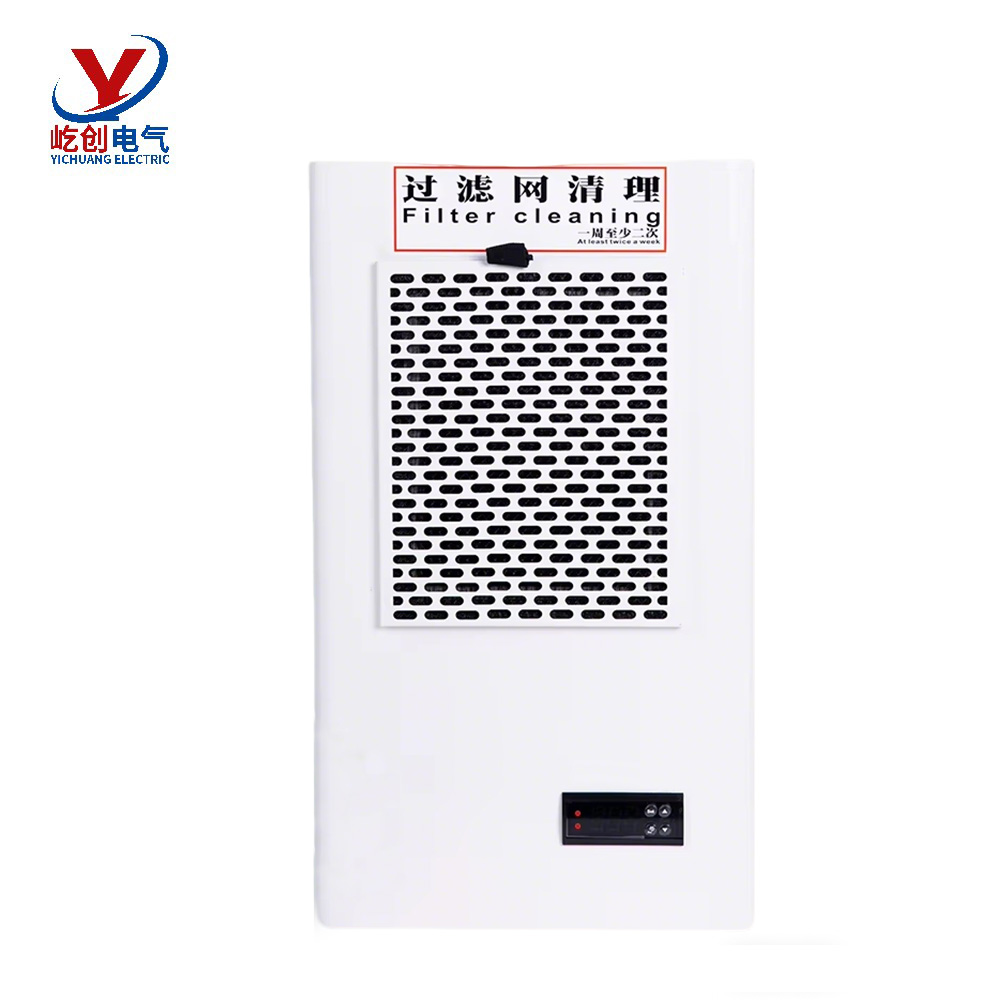
The company's main products cover a wide range of industrial sheet metal cabinets and enclosures, including various standard control cabinets, Rittal-like enclosures, operation consoles, cantilevers, industrial air conditioners, stainless steel cabinets, PLC cabinets, MCC cabinets, power distribution cabinets, outdoor enclosures, industrial control cabinets, computer cabinets, network cabinets and other related products.
The product is applied in fields such as mechanical manufacturing, electronic information, power engineering, petrochemicals, intelligent transportation, and environmental protection.

Technical guidance for procurement engineers and facility managers
When specifying metal enclosures for peak summer deployments, engineering teams must evaluate several interdependent factors that collectively determine whether the enclosure will provide adequate protection throughout the hottest months of the year.
The first step is accurately calculating the total heat load generated by all internal components — including PLCs, VFDs, power supplies, contactors, and communication modules. This figure, expressed in watts, must be matched against the cooling capacity of the chosen climate control unit. A common mistake is undersizing the cooling unit based on nameplate power ratings without accounting for summer ambient temperatures that reduce the effective cooling delta-T. Our engineering team provides free heat load calculation services for all custom enclosure projects.
Summer brings not only heat but also dust storms, sudden rain events, and high humidity in coastal regions. IP54 may suffice for well-controlled indoor environments, but outdoor installations or dusty factory floors typically require IP55 or IP65 ratings. Stainless steel enclosures with continuous welded seams and precision-machined door gaskets provide the highest level of ingress protection while maintaining corrosion resistance.
Pro Tip: When installing cabinet air conditioners on outdoor enclosures during peak summer, always specify units with a high ambient temperature rating (TA) of at least 55°C and verify that the refrigerant circuit is designed for high-condensing-temperature operation. Standard residential-grade components are not suitable for industrial summer applications.
Daily temperature swings of 25–35°C in summer create significant thermal cycling stress on enclosure materials, door seals, and cable entry glands. High-quality cold-rolled steel with minimum 2mm wall thickness, combined with flexible EPDM door gaskets rated for -40°C to +120°C service temperatures, ensures that the enclosure maintains its dimensional stability and sealing integrity through thousands of thermal cycles over its service life.
Summer humidity accelerates corrosion, particularly in coastal, chemical, and food processing environments. Our standard RAL7035 light grey powder coating provides excellent UV resistance and corrosion protection for indoor applications. For outdoor or aggressive environments, we offer hot-dip galvanizing, epoxy primer undercoats, and full 316L stainless steel construction as upgrade options.
From cabinet air conditioners to modular control enclosures — all engineered for peak summer performance
The company will continue to adhere to the concept of technological innovation and quality improvement, continuously upgrade products and services, and strive to become a leading enterprise in the domestic industrial sheet metal cabinet manufacturing industry, creating greater value for customers and society.