Inquiry
Form loading...
Explore our core enclosure product lines — engineered for research labs, prototype development, and advanced industrial R&D environments.
In research and development environments, a metal junction box serves as the critical nerve center for electrical interconnections, signal routing, and component protection. Unlike standard industrial enclosures, R&D-grade metal junction boxes must accommodate rapid iteration, modular upgrades, and multi-disciplinary integration.
R&D projects demand enclosures that can be quickly reconfigured. Metal junction boxes for R&D use feature removable DIN rail mounts, pre-drilled cable entry points, and modular internal panels that allow engineers to reorganize wiring and components across design iterations without replacing the entire housing. This dramatically reduces prototyping lead times and material waste.
Research laboratories frequently operate sensitive measurement instruments, RF testing rigs, and precision analog circuits. Metal enclosures — particularly cold-rolled steel and aluminum alloy variants — provide inherent electromagnetic interference (EMI) shielding, ensuring that external noise does not corrupt experimental data or interfere with sensitive electronics inside the box.
No two R&D projects are alike. Metal junction boxes for research applications are available in wall-mounted, floor-standing, desktop, and rack-mount configurations. Custom cutouts for displays, connectors, and cooling fans can be machined to specification, and surface treatments such as powder coating, anodizing, or galvanizing can be selected to match environmental requirements from cleanrooms to outdoor test sites.
R&D projects often require compliance with IEC, UL, CE, and IP-rated standards even at the prototype stage, especially for projects destined for commercial or medical applications. Metal junction boxes designed for R&D environments are manufactured to meet IP54–IP67 ingress protection ratings, ensuring safe operation in environments with dust, moisture, or occasional liquid splash.
The global metal junction box and industrial enclosure market is undergoing a significant transformation, driven by surging investment in R&D across multiple sectors.
The global industrial enclosure market is projected to exceed USD 12 billion by 2028, with metal junction boxes for R&D and laboratory applications representing one of the fastest-growing sub-segments. Driven by the expansion of electric vehicle (EV) development labs, semiconductor research facilities, renewable energy test centers, and AI hardware development hubs, demand for precision-engineered, customizable metal junction boxes has never been higher. Asia-Pacific — particularly China, South Korea, and Japan — leads global production capacity, while North America and Europe represent the largest consumption markets for high-specification R&D enclosures.
Electric vehicle manufacturers and battery technology companies are investing billions in new R&D facilities. Metal junction boxes play a critical role in battery management system (BMS) testing rigs, cell formation equipment, and high-voltage prototype wiring harnesses. The need for robust, thermally stable enclosures that can handle high-current connections and rapid thermal cycling is driving significant demand for custom metal junction boxes in this sector.
As industrial robotics and collaborative robot (cobot) development accelerates, R&D teams require enclosures that can house complex servo drive controllers, safety relay systems, and multi-axis motion control electronics. Metal junction boxes provide the structural rigidity and vibration resistance needed for robot arm test benches, automated assembly prototypes, and machine vision system development platforms.
Semiconductor design and testing environments demand ultra-clean, ESD-safe enclosures. Metal junction boxes with specialized surface treatments and grounding provisions are essential for housing wafer testing equipment, IC burn-in systems, and PCB validation rigs. The ongoing global semiconductor investment boom — with new fabs being built across the US, Europe, and Asia — is creating substantial demand for R&D-grade enclosures throughout the design-to-production pipeline.
Solar inverter development labs, wind turbine control system R&D centers, and hydrogen fuel cell research facilities all rely on metal junction boxes to protect sensitive power electronics during extended testing cycles. The global push toward carbon neutrality is fueling unprecedented investment in clean energy R&D, with enclosure requirements ranging from compact wall-mounted boxes for lab benches to large outdoor-rated enclosures for field prototype testing.
The next generation of metal junction boxes for R&D is being shaped by advances in materials science, digitalization, and sustainable manufacturing.
Modern R&D junction boxes are increasingly being equipped with embedded IoT sensors for real-time temperature, humidity, and door-open monitoring. Data is transmitted to cloud platforms, enabling remote diagnostics and predictive maintenance of R&D equipment — a critical capability for distributed research teams.
The shift toward agile R&D methodologies is driving demand for modular enclosure systems that can be expanded or reconfigured without full replacement. Snap-in sub-panels, tool-free cable management systems, and standardized mounting interfaces are becoming standard features in R&D-grade metal junction boxes.
Environmental regulations and corporate sustainability commitments are pushing manufacturers toward recycled steel and aluminum alloys, water-based powder coatings, and energy-efficient manufacturing processes. R&D clients increasingly require material traceability documentation and RoHS/REACH compliance certificates with their enclosure orders.
CNC laser cutting, precision bending, and automated welding technologies have dramatically reduced lead times for custom metal junction boxes. R&D teams can now receive fully custom enclosures within days rather than weeks, enabling faster design iteration cycles and accelerating time-to-market for new products.
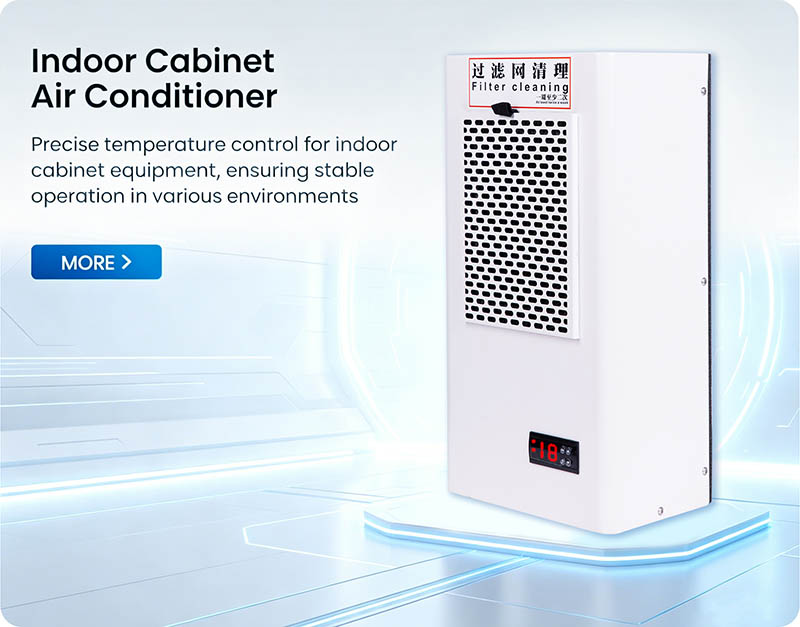
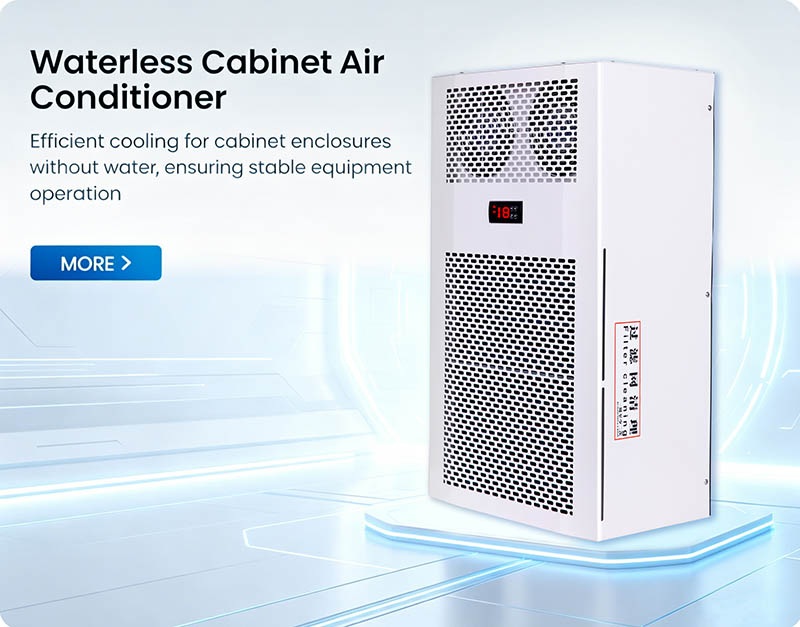
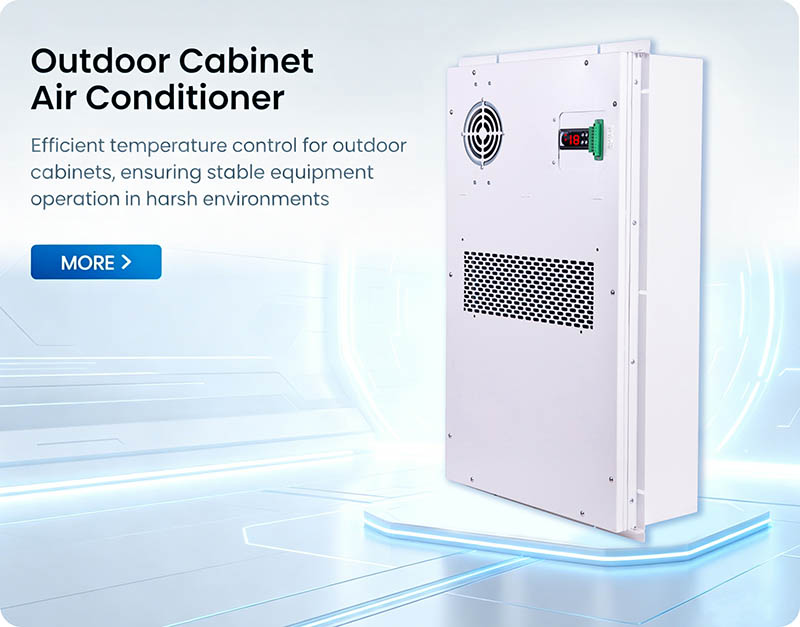
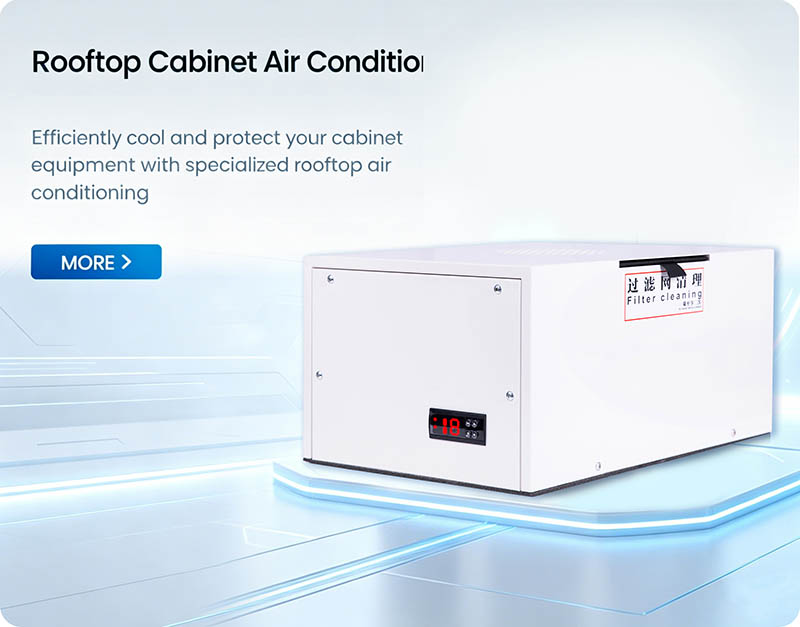
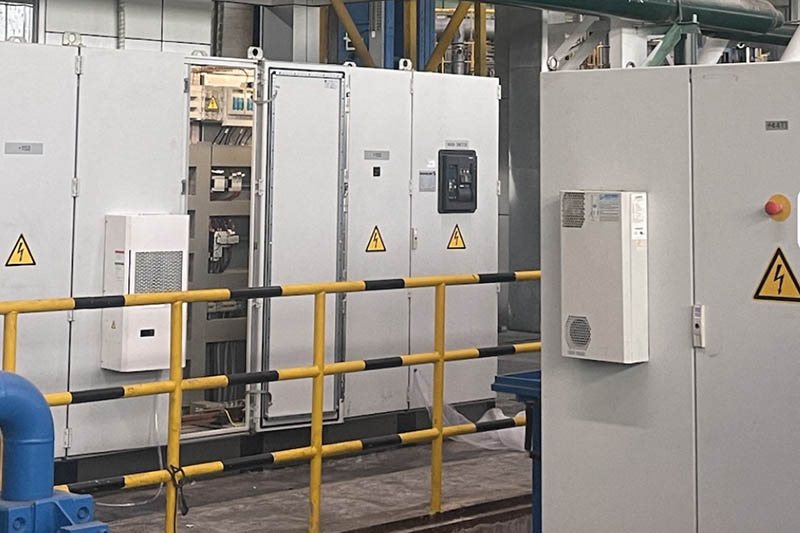
As power densities in R&D electronics continue to rise, metal junction boxes are increasingly designed with integrated thermal management features — including heat sink mounting provisions, forced-air ventilation channels, and compatibility with cabinet air conditioning units — to maintain optimal operating temperatures for sensitive research equipment.
Intellectual property protection is paramount in R&D environments. Next-generation metal junction boxes feature multi-point locking systems, tamper-evident seals, and optional electronic access control with audit trail logging — ensuring that sensitive prototype electronics and proprietary circuit designs remain secure throughout the development lifecycle.
From university research labs to Fortune 500 innovation centers, metal junction boxes serve as the backbone of reliable R&D infrastructure across diverse application scenarios.
When developing new PLC-based automation systems, engineers use metal junction boxes to house prototype control circuitry, terminal blocks, and communication modules. The box provides a safe, organized environment for testing new automation logic under real-world electrical conditions, with easy access for probing and modification during the iterative development process. Cantilever-mounted variants allow the junction box to be positioned precisely at the engineer's workstation for ergonomic access.
Academic R&D environments require enclosures that balance safety with accessibility. Metal junction boxes in university labs house custom DAQ (data acquisition) systems, power supply distribution units, and sensor interface electronics for experiments ranging from materials science to biomedical engineering. IP-rated enclosures protect sensitive electronics in chemistry labs where chemical vapors may be present, while grounded metal construction ensures safety in high-voltage physics experiments.
Aerospace R&D programs require enclosures that meet stringent military and aviation standards. Metal junction boxes in this sector must withstand extreme temperature ranges, high vibration, and electromagnetic pulse (EMP) exposure. Custom aluminum alloy enclosures with military-grade surface treatments are used to house avionics prototype electronics, satellite communication test equipment, and unmanned aerial vehicle (UAV) control system development platforms.
Medical device R&D demands the highest standards of electrical safety, biocompatibility, and cleanroom compatibility. Metal junction boxes in medical R&D environments house prototype patient monitoring electronics, therapeutic device power systems, and diagnostic imaging signal processing units. Stainless steel variants with seamless welded construction and electropolished surfaces are preferred for applications where sterilization compatibility and particulate control are critical requirements.
The global rollout of 5G networks and the development of next-generation communication technologies require specialized R&D enclosures. Metal junction boxes for telecom R&D provide RF shielding for antenna array testing, housing for software-defined radio (SDR) prototype hardware, and secure enclosures for network edge computing development platforms. The rapid evolution of Open RAN architectures is driving demand for highly customizable, rack-compatible metal enclosures that can accommodate diverse hardware configurations.
As electric vehicle adoption accelerates globally, R&D teams developing next-generation charging infrastructure require robust outdoor-rated metal junction boxes for field prototype testing. These enclosures must protect high-power electronics from weathering, vandalism, and thermal stress while providing easy access for firmware updates and hardware modifications during the development phase. IP66-rated metal enclosures with integrated thermal management are the preferred solution for this rapidly growing application area.


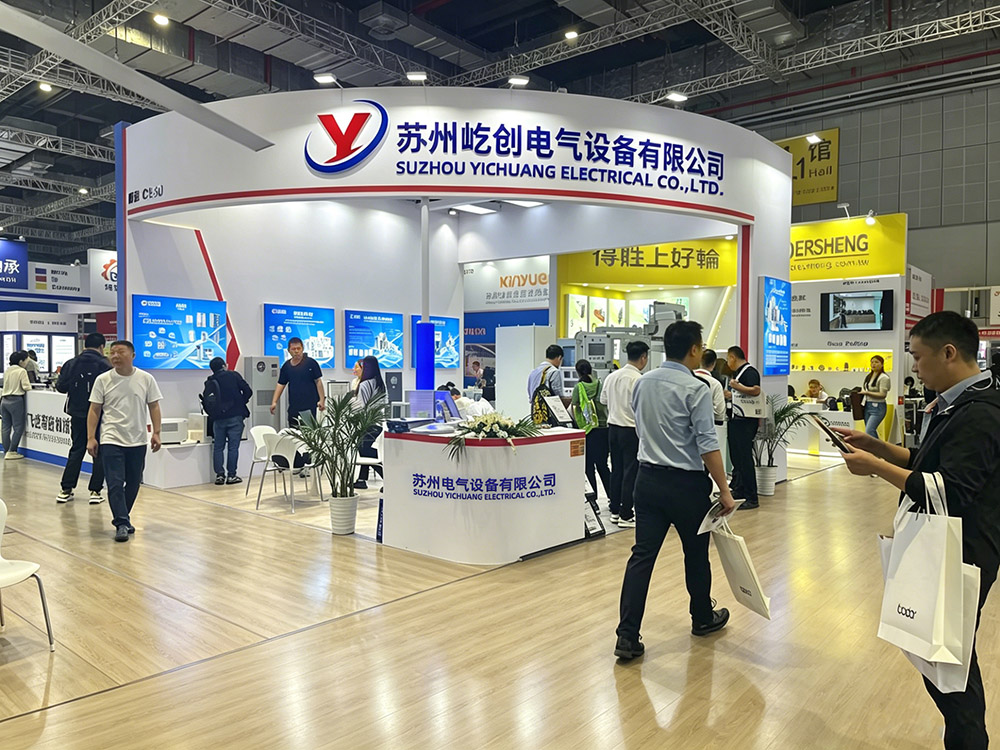
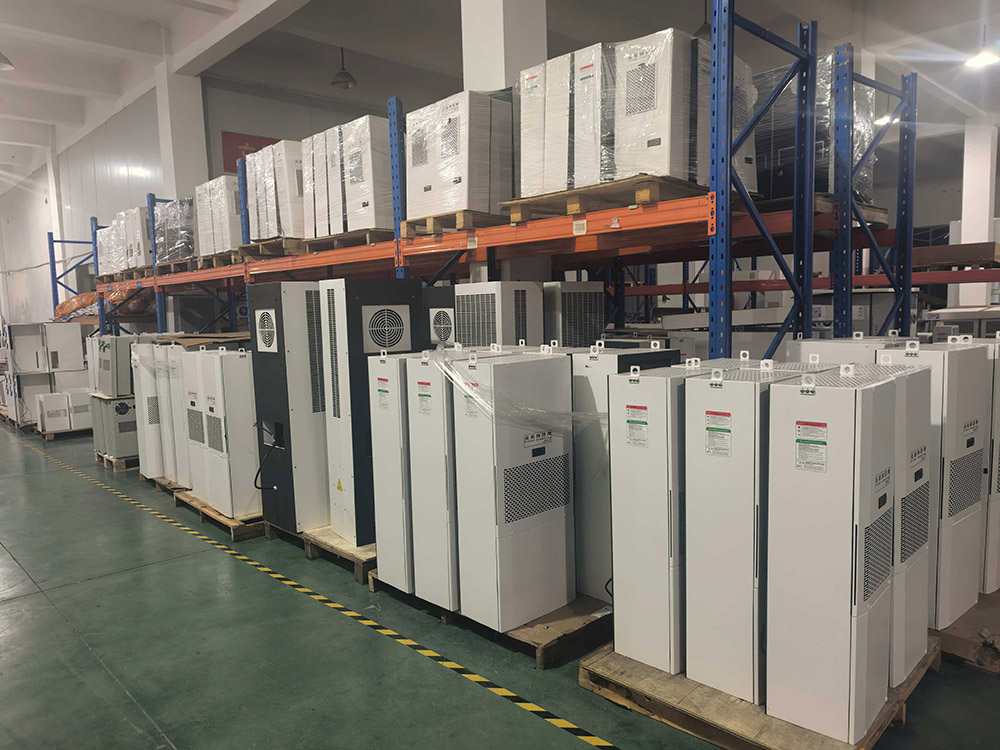
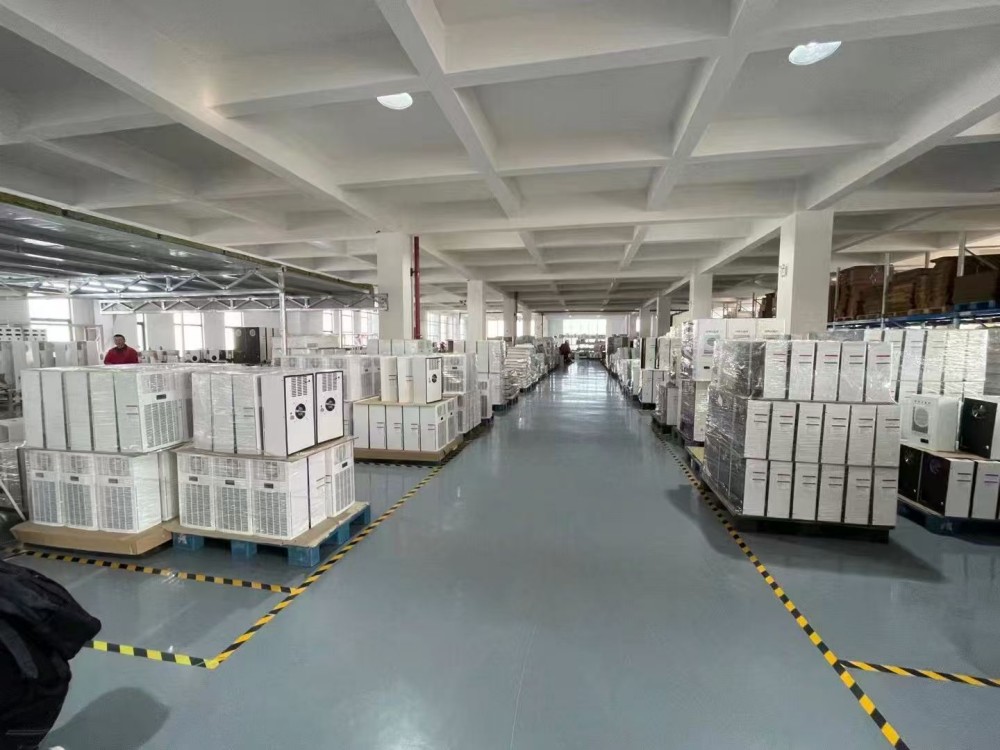
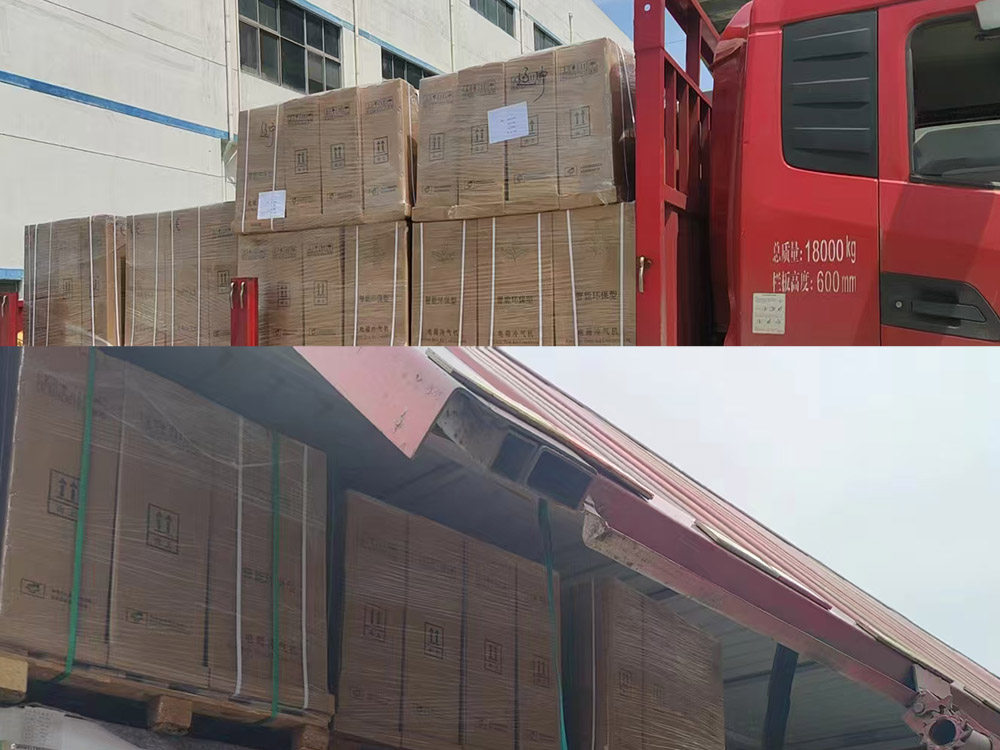
The company's main products cover a wide range of industrial sheet metal cabinets and enclosures, including various standard control cabinets, Rittal-like enclosures, operation consoles, cantilevers, industrial air conditioners, stainless steel cabinets, PLC cabinets, MCC cabinets, power distribution cabinets, outdoor enclosures, industrial control cabinets, computer cabinets, network cabinets and other related products.
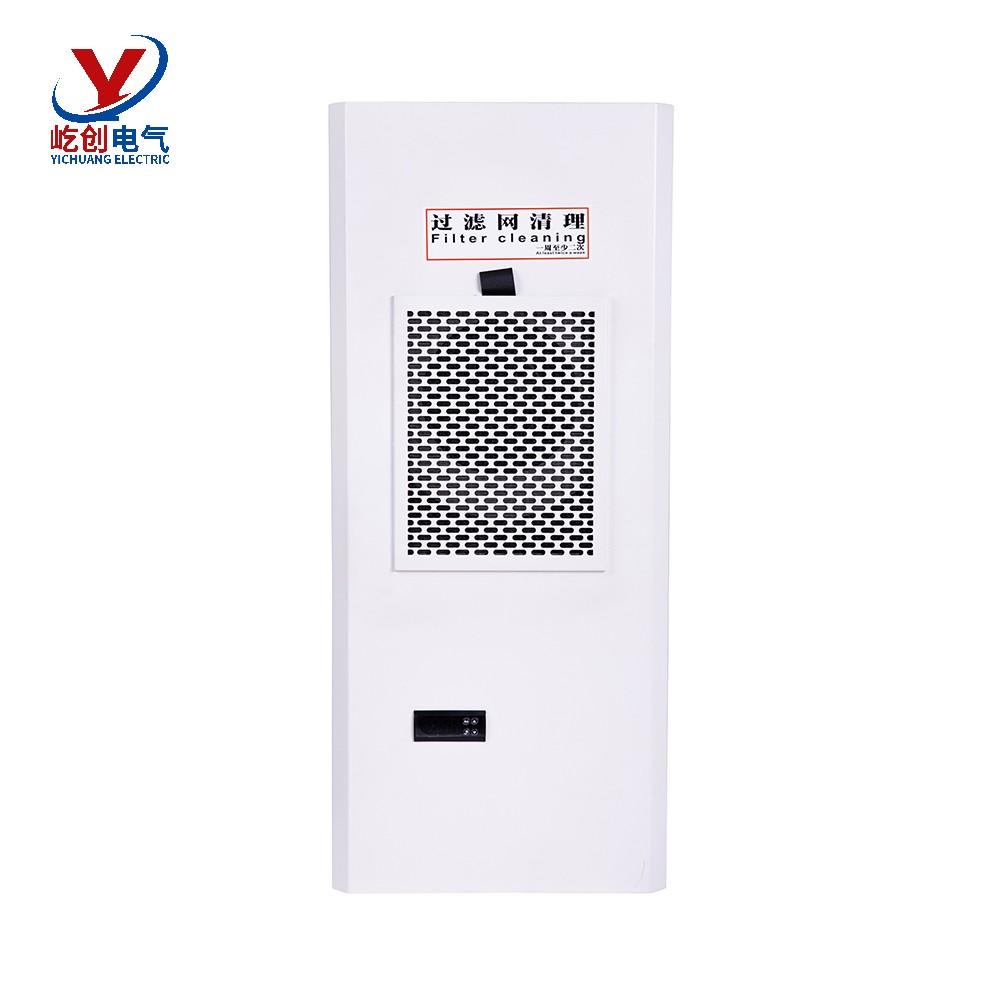
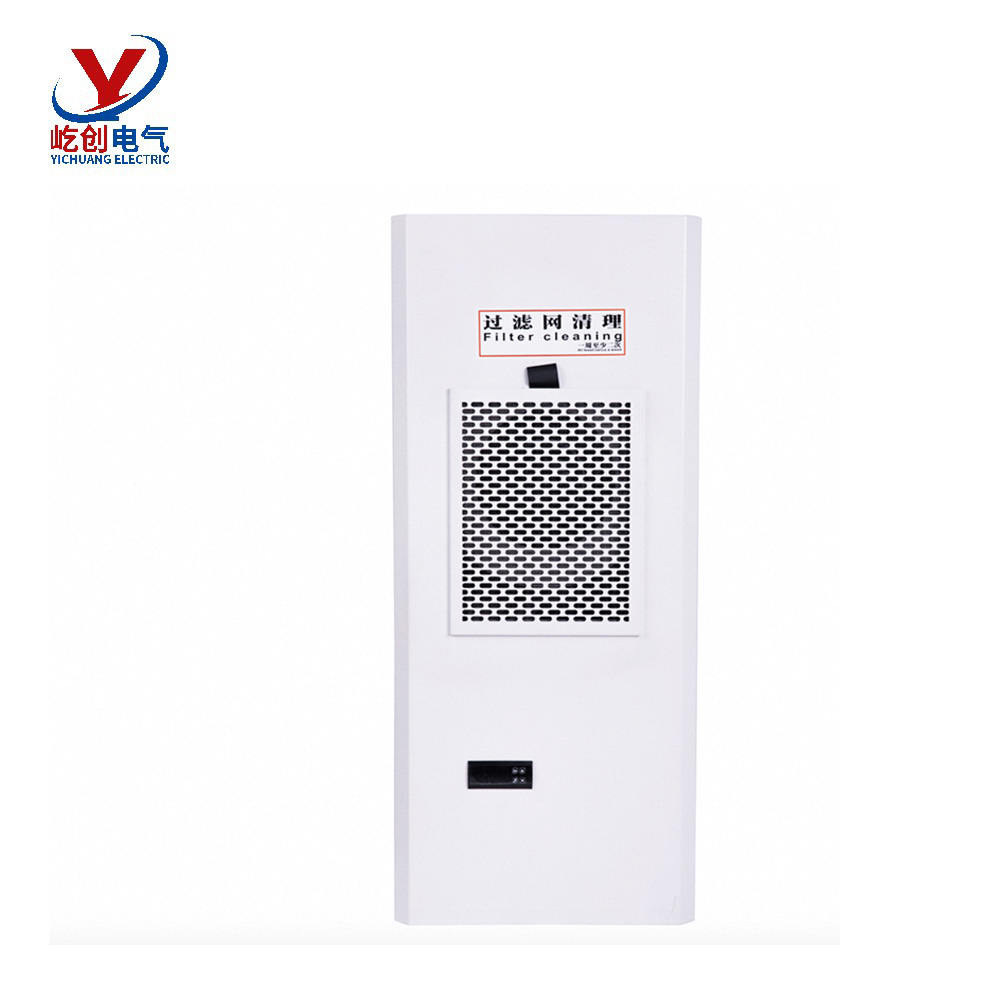
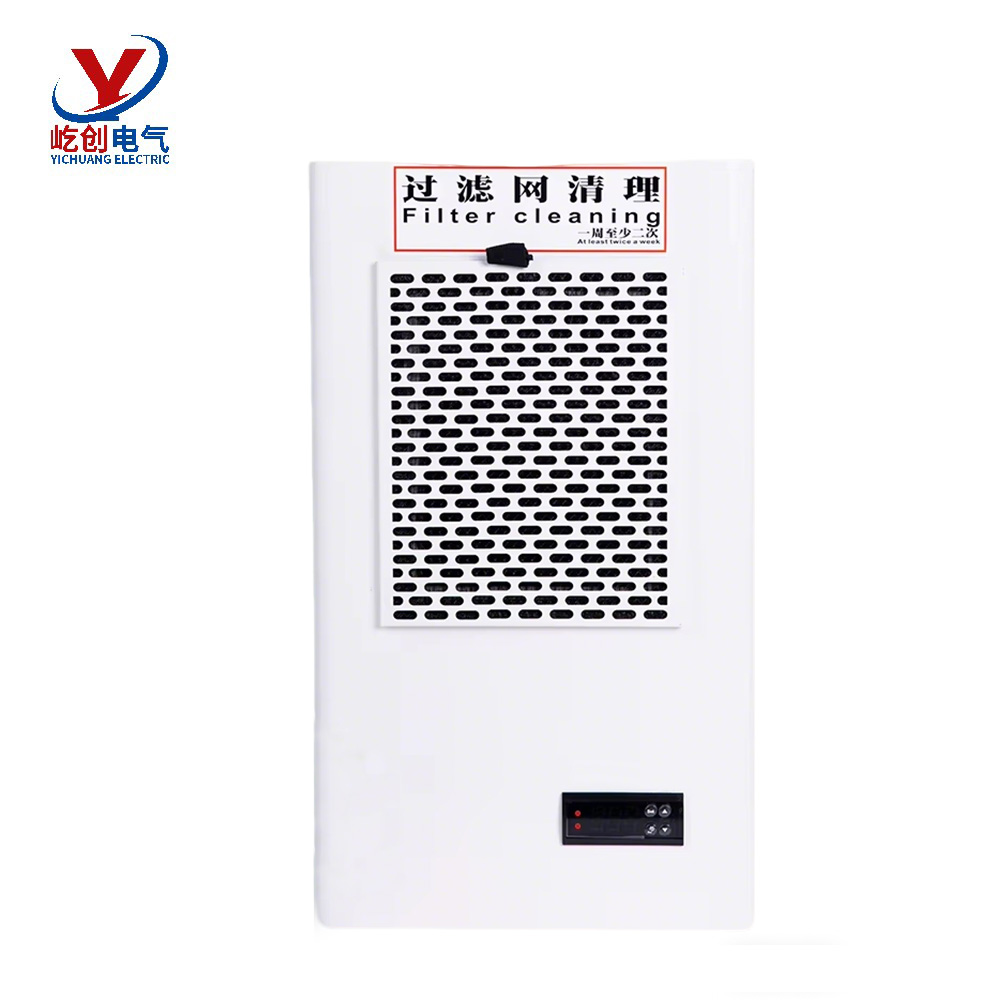
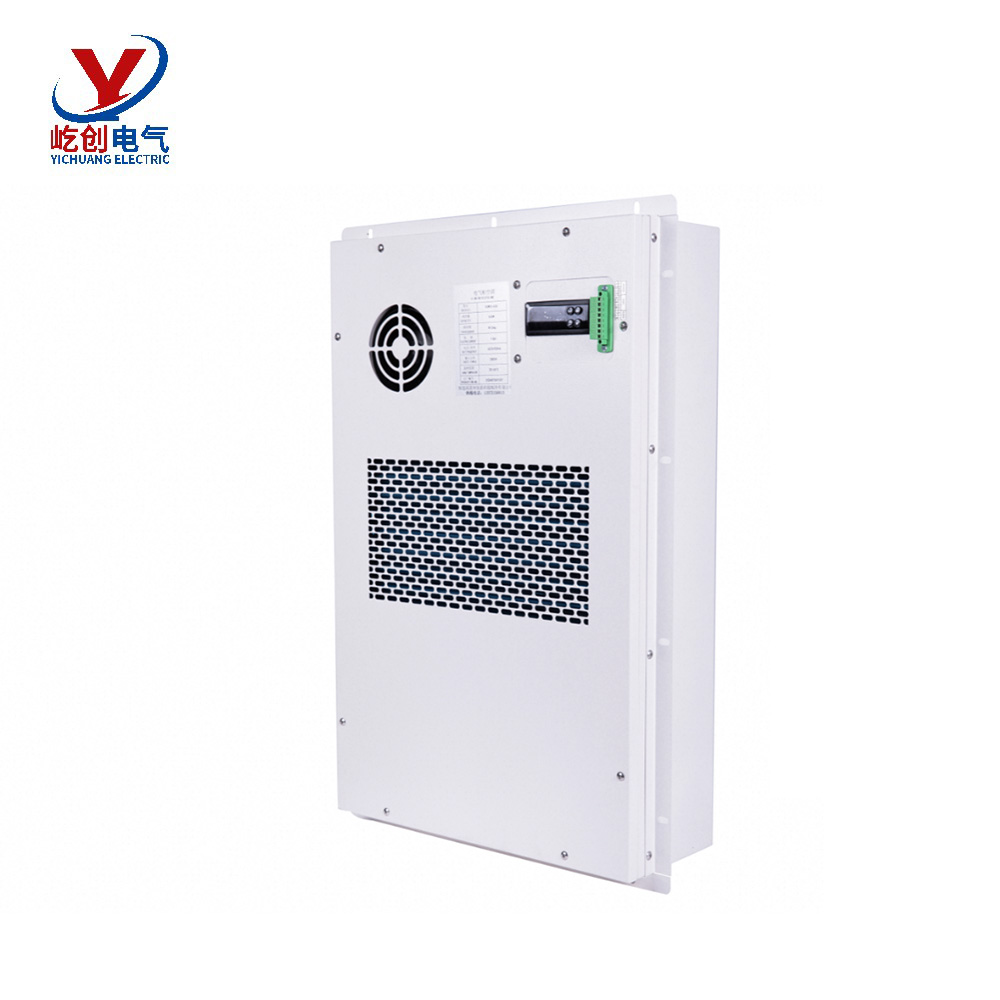
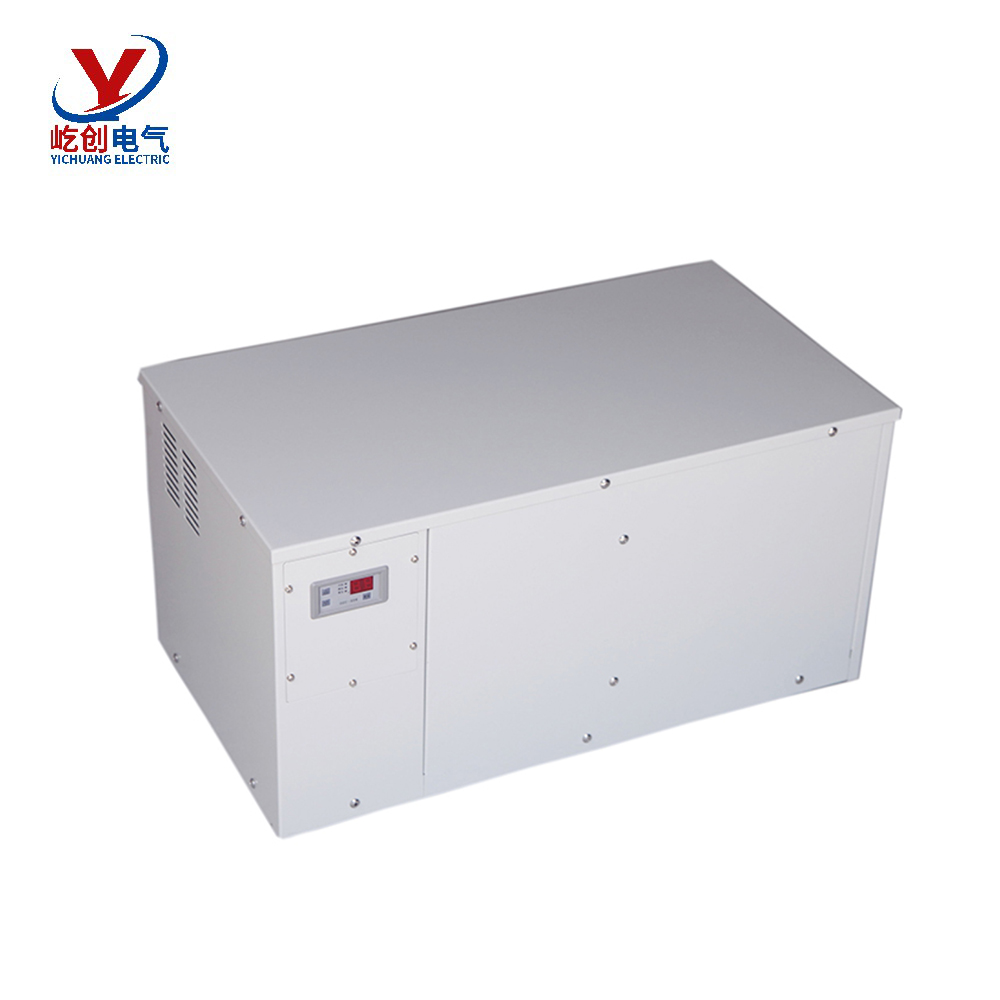
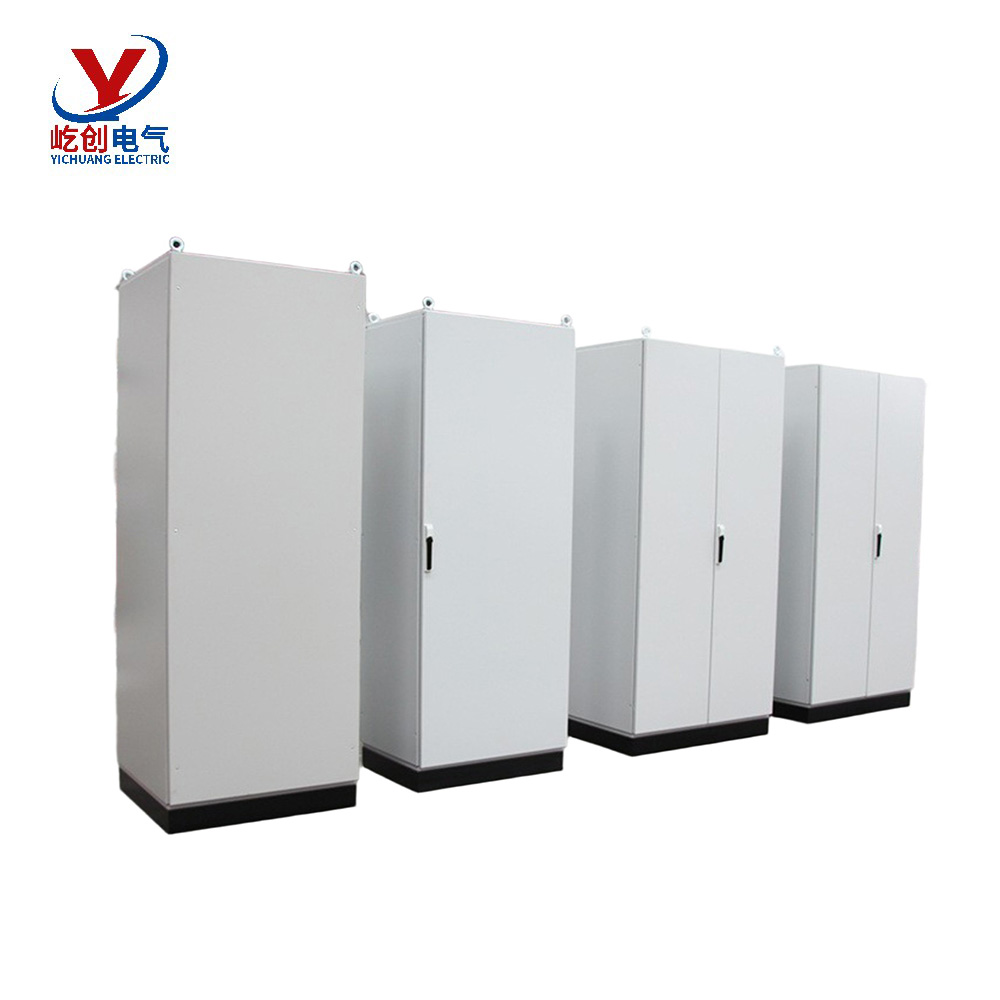
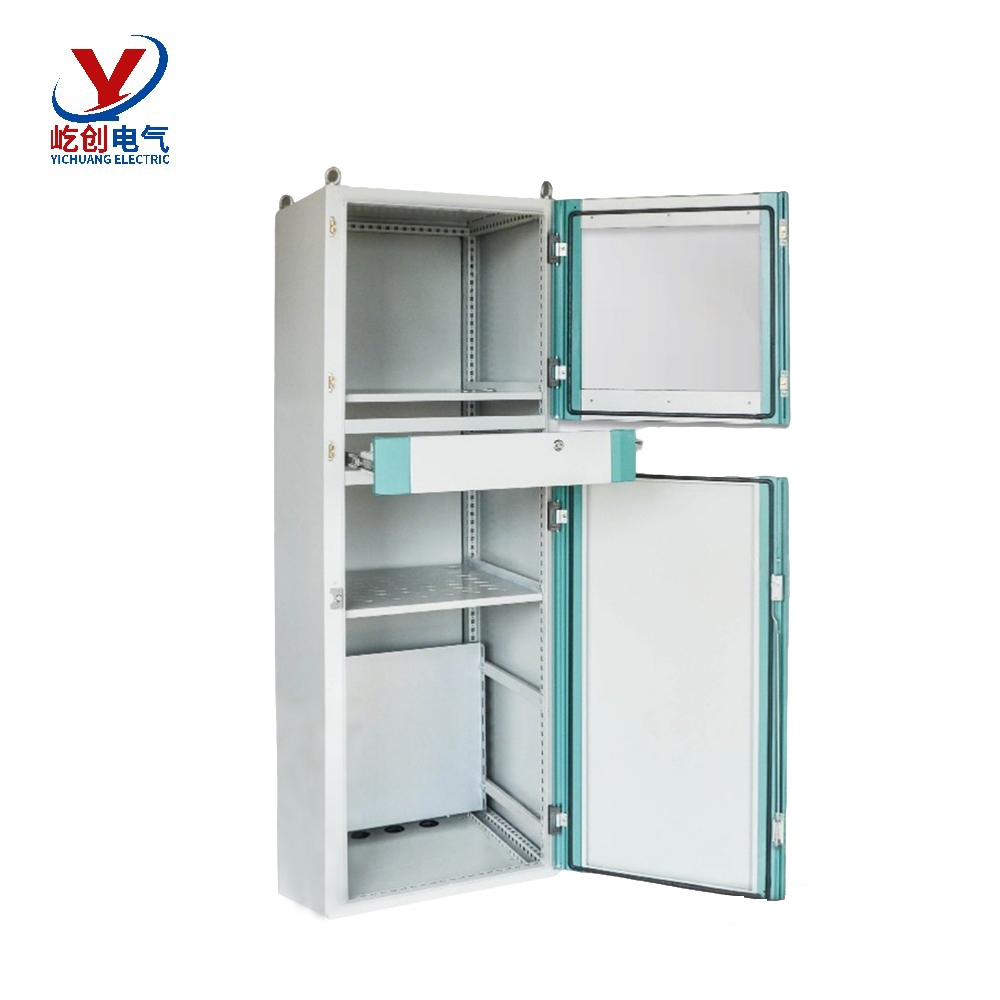
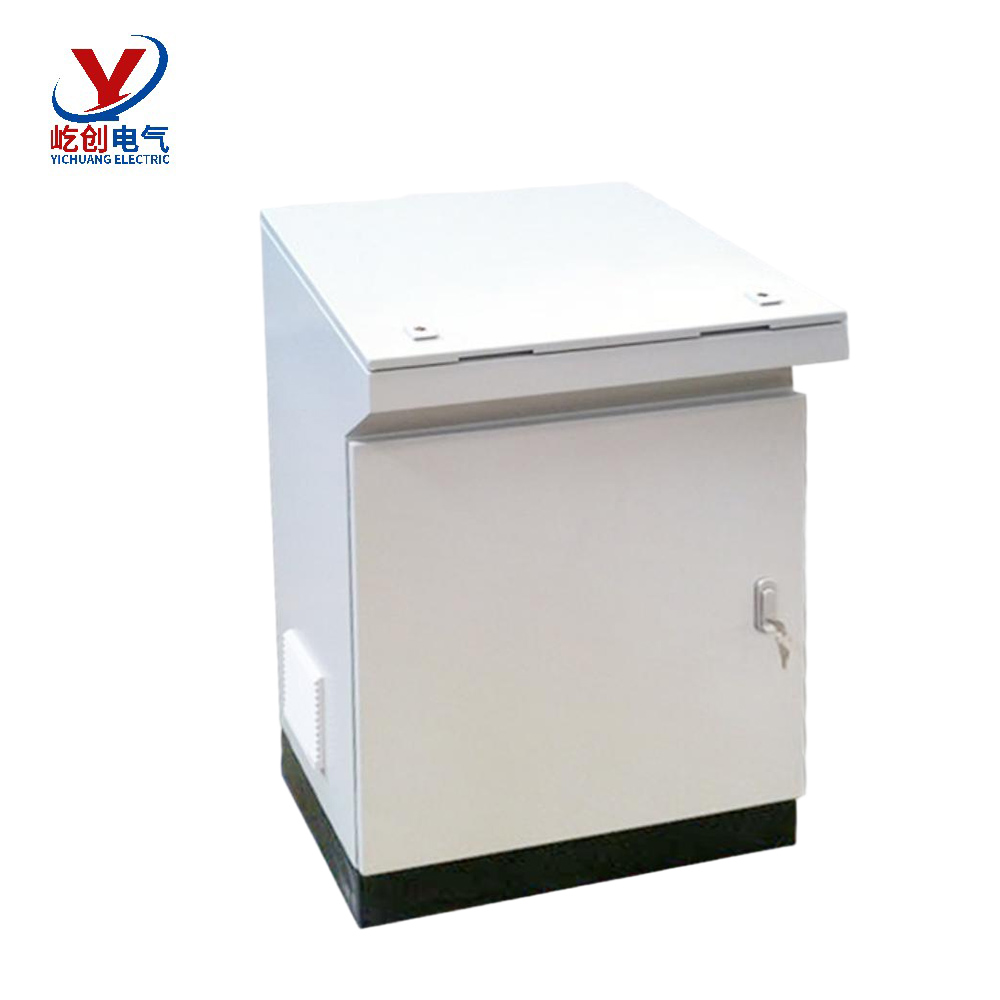
The product is applied in fields such as mechanical manufacturing, electronic information, power engineering, petrochemicals, intelligent transportation, and environmental protection.



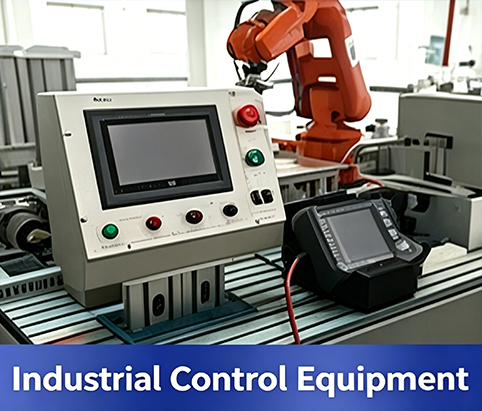
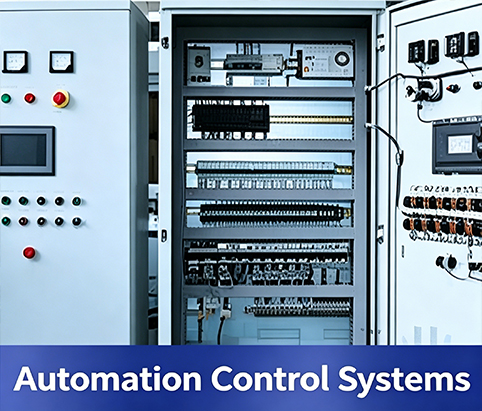
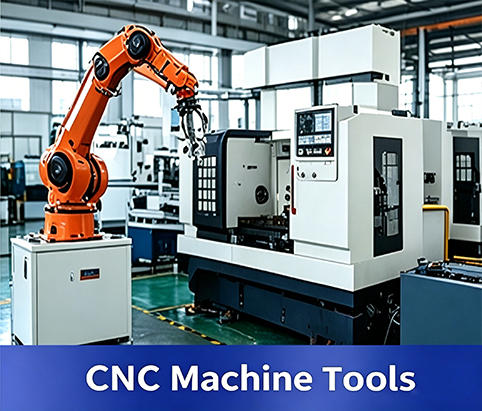
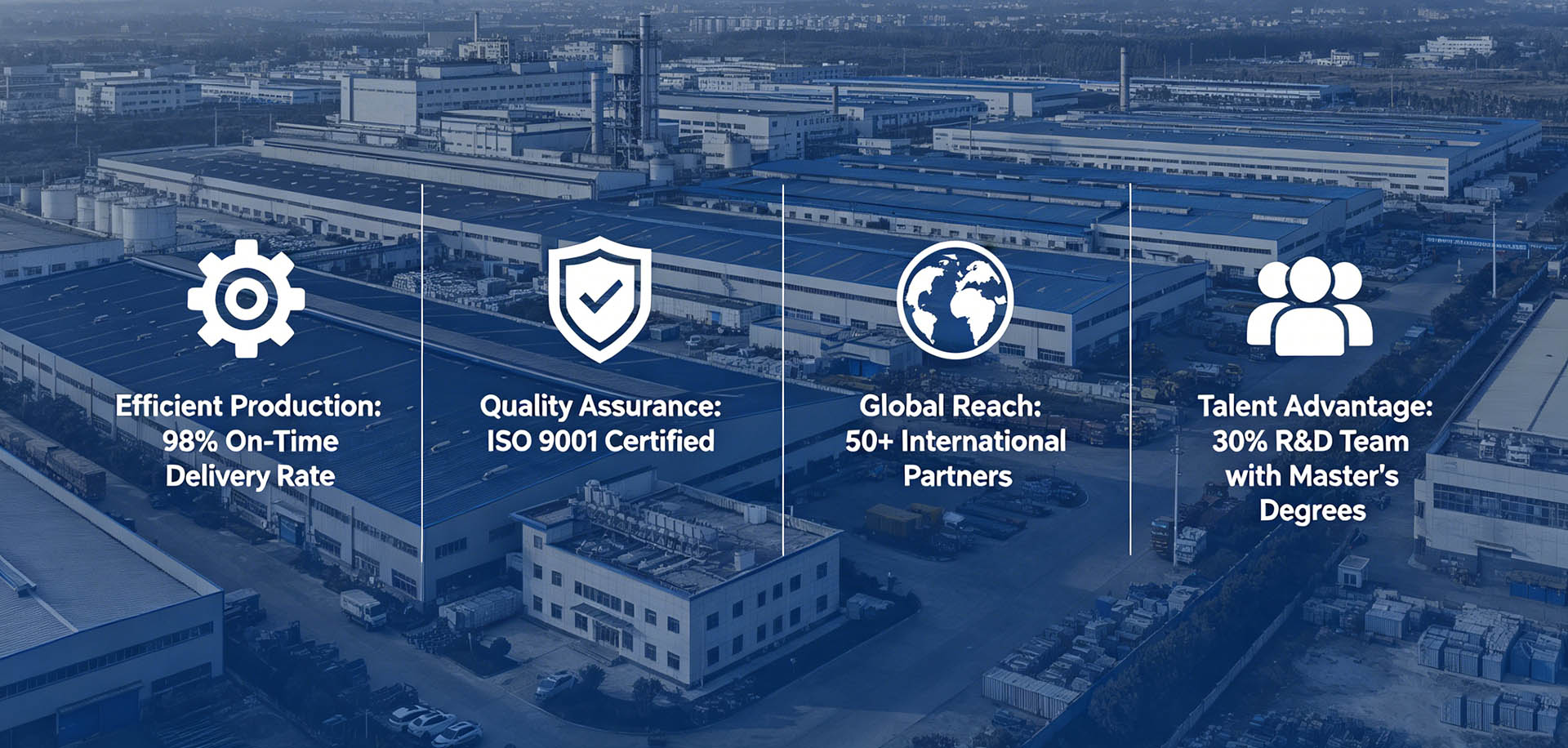
The company will continue to adhere to the concept of technological innovation and quality improvement, continuously upgrade products and services, and strive to become a leading enterprise in the domestic industrial sheet metal cabinet manufacturing industry, creating greater value for customers and society.
 Company News
 Company News
 Company News
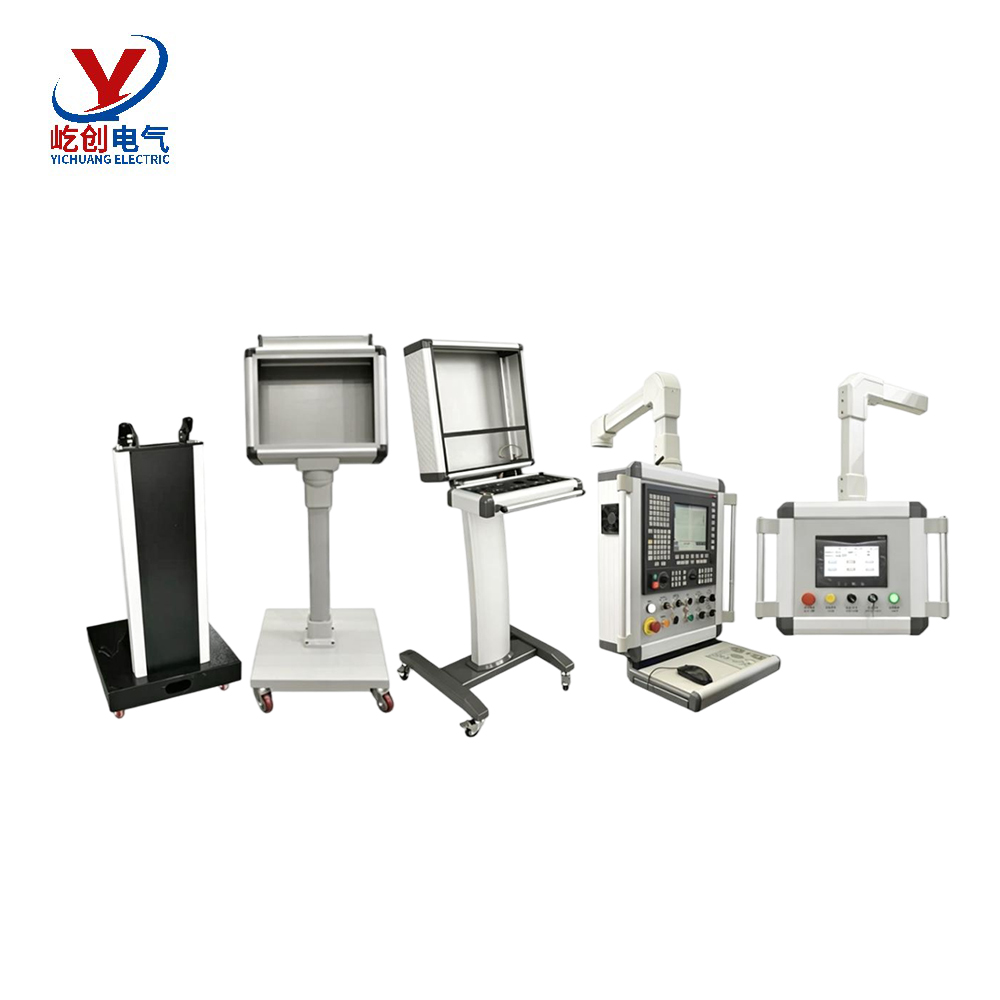 Rittal-Style Aluminum Cantilever Enclosure | Arm System & Swing Arm Control Box
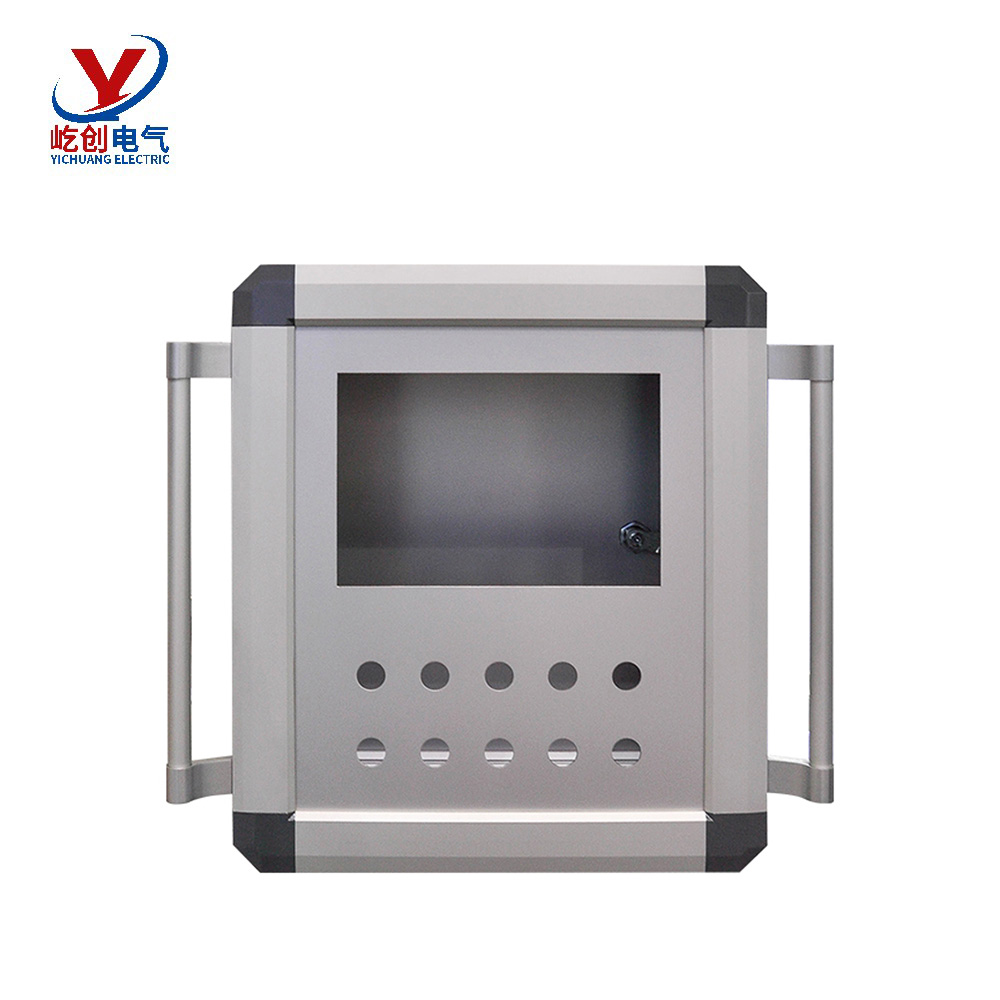 Cantilever Control Box – Industrial Cantilever Operation Box