Detailed Explanation Of The Correct Adjustment Method Of The Opening Of The Thermal Expansion Valve
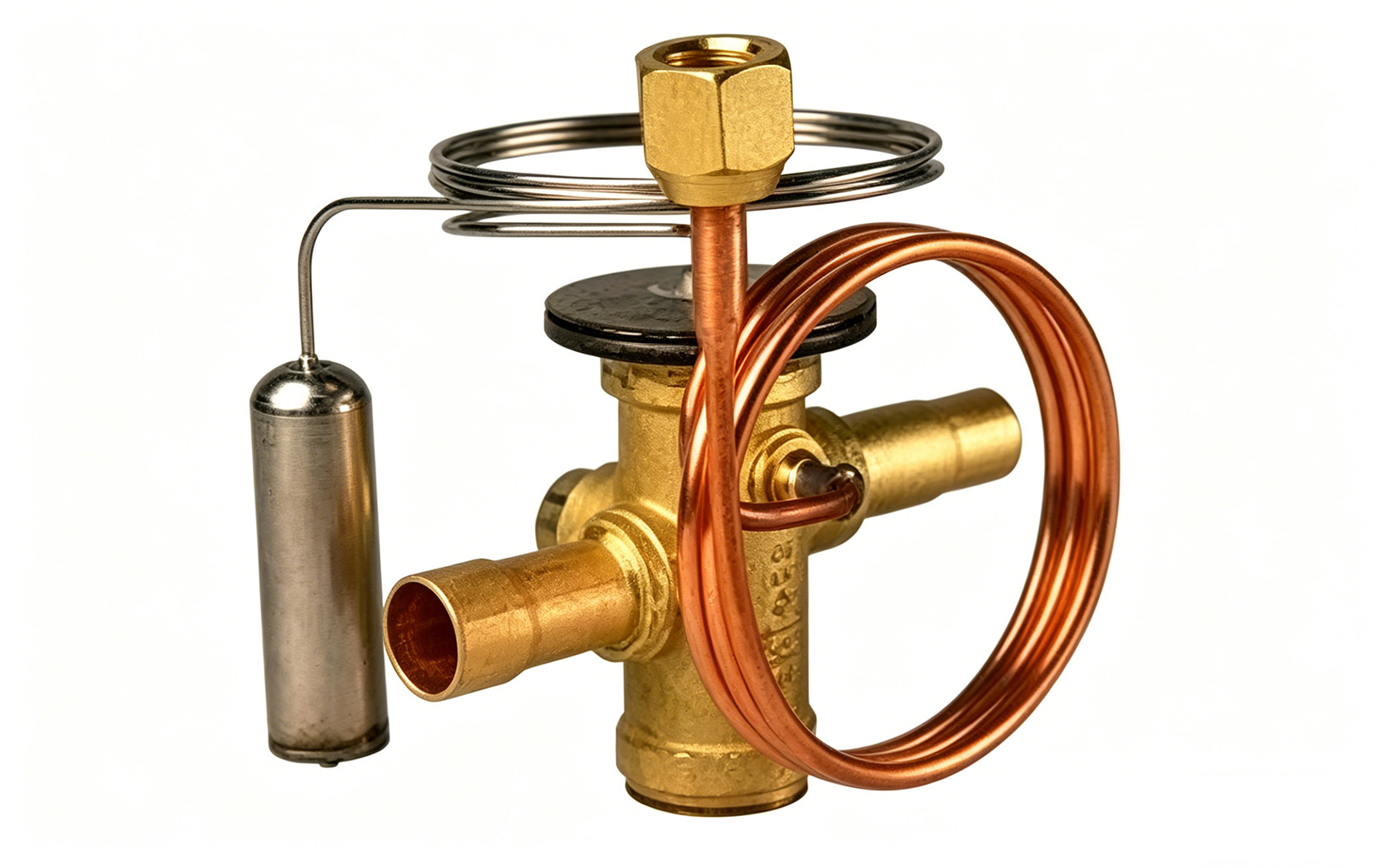
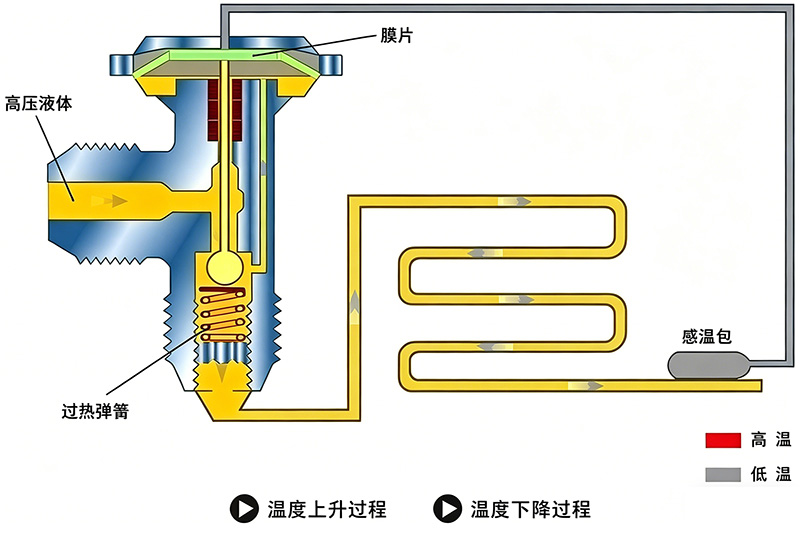
The expansion valve, one of the four key components in a refrigeration system, serves as a critical device for regulating and controlling the flow and pressure of refrigerant entering the evaporator, acting as the "boundary" between the high and low-pressure sides. Its adjustment not only determines the systems operational efficiency but also reflects the operators technical proficiency. Today, well discuss troubleshooting for thermal expansion valves and how to properly adjust their opening – a practical guide packed with essential knowledge!
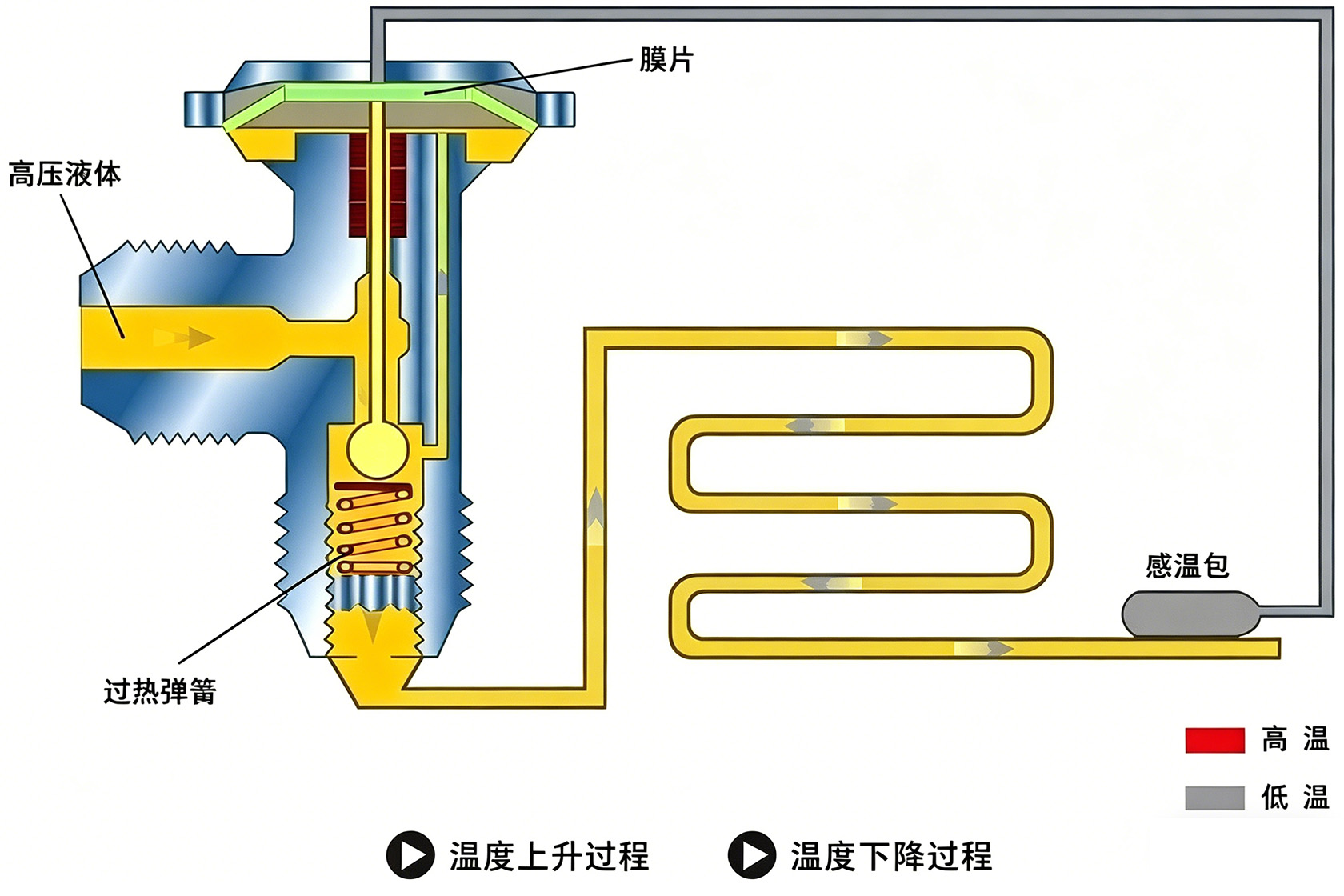
1. Fault Phenomena of Improper Adjustment of Thermal Expansion Valve
1. The opening is too small
If the opening degree of the thermal expansion valve is too small, it will cause the liquid supply is insufficient, so that there is not enough freon to evaporate in the evaporator, the refrigerant evaporates completely in the flow of the evaporator tube, and there is no liquid refrigerant to evaporate in the evaporator tube after this, only the steam is overheated.
At the same time, the outlet pressure of the expansion valve is too low, the corresponding evaporation pressure and temperature are too low, which causes the evaporation speed to slow down, the refrigeration capacity per unit volume (time) to decrease, and the refrigeration efficiency to decrease.
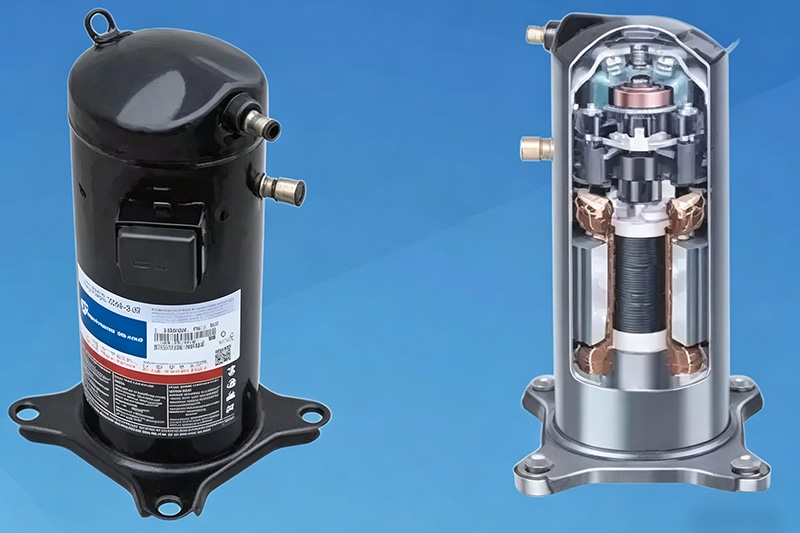
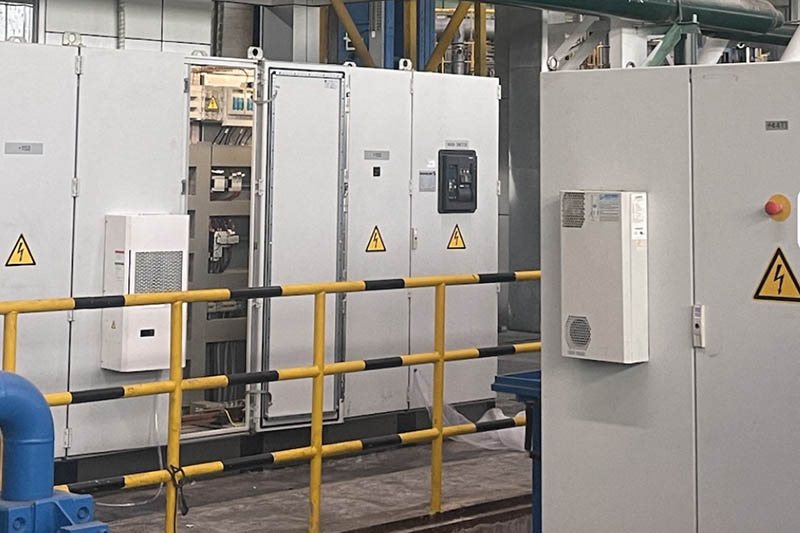
As a result, a significant number of evaporators fail to operate at full capacity, leading to insufficient cooling capacity and reduced air conditioning performance. In specialized server room air conditioners, compressors typically use steam recovered from evaporators for cooling. However, if the thermal expansion valve isnt fully opened, excessive steam overheating occurs. This reduces the cooling effect on the compressor, causing the exhaust temperature to rise. The lubricating oil becomes thinner, the lubrication quality deteriorates, and the working environment for the compressor worsens, ultimately severely impacting its service life.
2. The opening is too wide
When the thermal expansion valve is opened excessively, it allows more refrigerant flow through the system. This means the valves liquid supply to the evaporator exceeds the evaporators load capacity, causing excessive liquid refrigerant evaporation. As a result, some liquid refrigerant fails to evaporate properly within the evaporator and is drawn back into the compressor along with the gaseous refrigerant. This phenomenon triggers wet stroke (liquid slugging) in the compressor, disrupting normal operation and potentially leading to severe operational conditions or even cylinder damage.
At the same time, the thermal expansion valve is opened too much, which makes the evaporation pressure and temperature of the refrigerant entering the evaporator are too high, the refrigeration capacity is decreased, the power consumption of the compressor is increased, and the power consumption is increased.
Because the refrigerating power of the new compressor is not equipped with the system, the regulating pressure of the expansion valve is always lower than normal, which indicates that the compressor power is too large, resulting in large suction capacity, small evaporation area, and contradictory operating conditions. If the expansion valve is opened again, the liquid cannot boil and evaporate, and the over-wet gas is sucked in, which makes the compressor frost.