Master The Working Principle Of Air Conditioners In Just 3 Minutes!
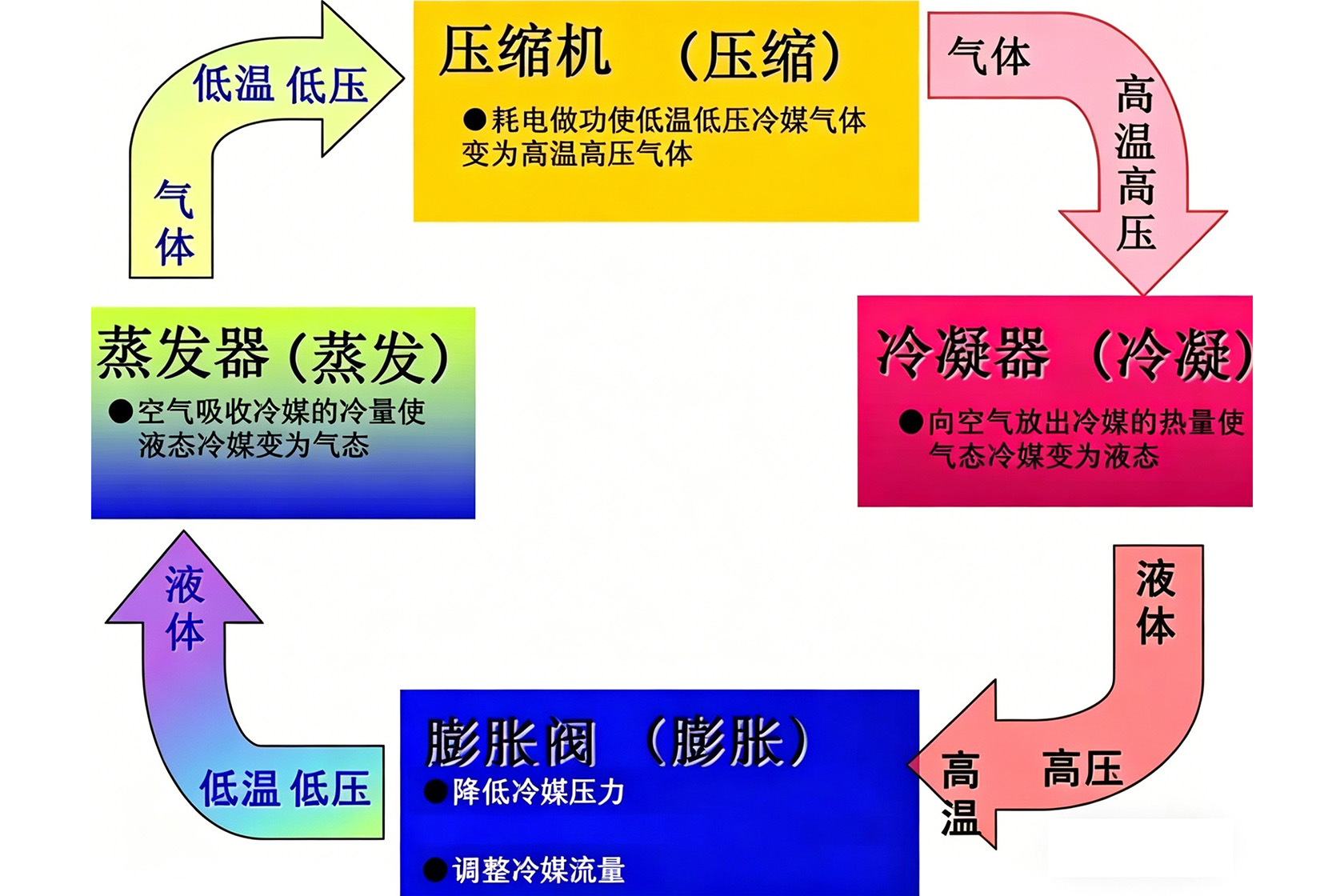
Ever wondered how an air conditioner turns scorching 40°C air into a refreshing 26°C? Today well break down its four key components and reveal the magic of its cooling system. After reading this, youll not only know how to pick the perfect AC but also get the hang of the jargon used by technicians!
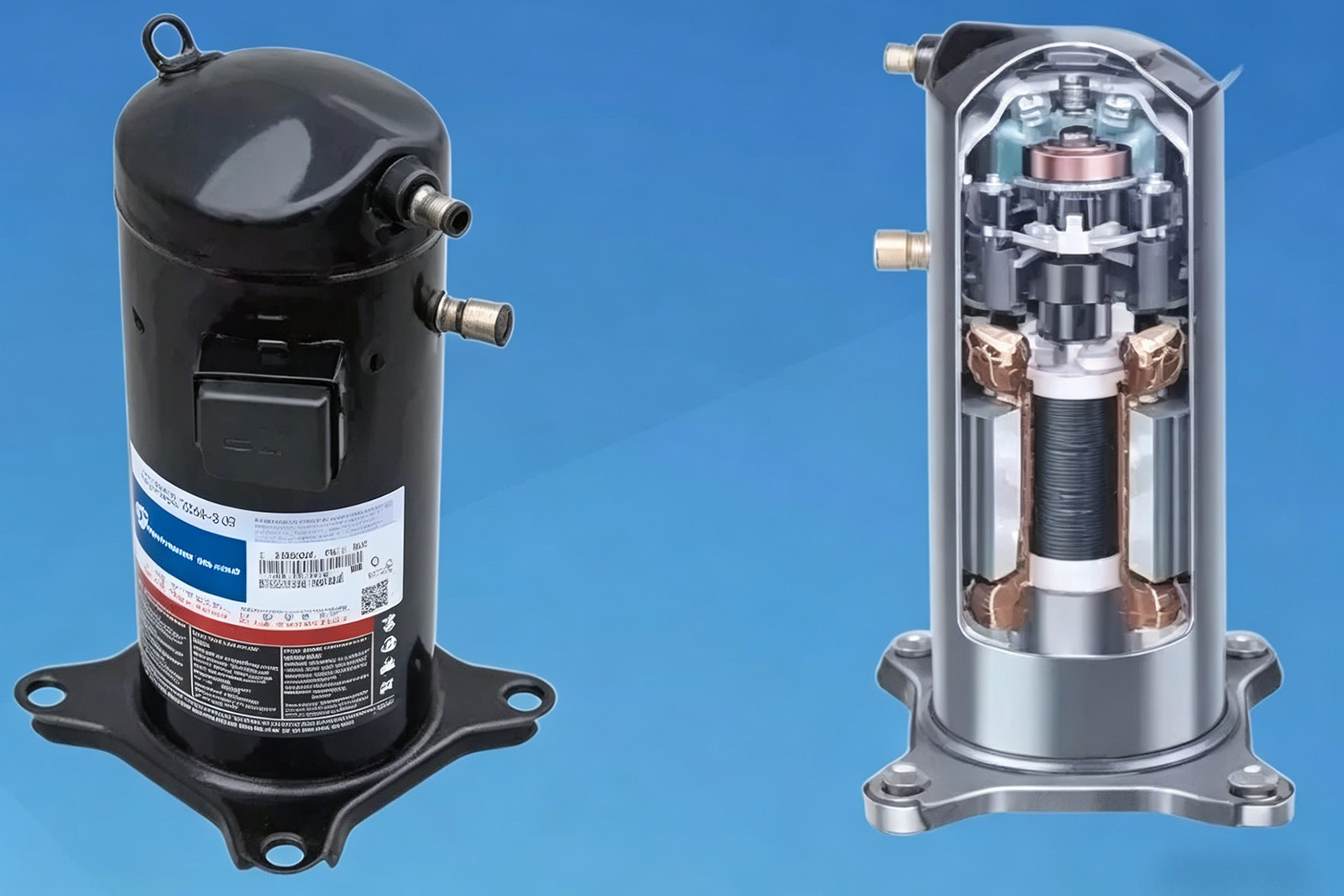
1. The "Heart" of the Air Conditioning System - Compressor
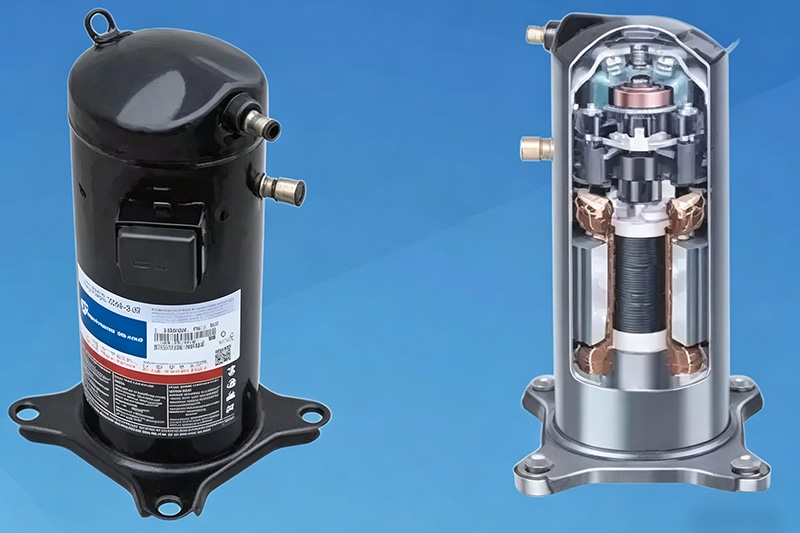
The compressor is like the "heart" of the air conditioning system, responsible for driving the entire refrigeration cycle. The moment you press the start button on the remote control, this most powerful core component begins to operate at high speed. This precision equipment, which accounts for 40% of the total cost of the unit, can compress the gaseous refrigerant to 1/8 of its original volume in just one second. Through the reciprocating motion of the piston or the rotation of the scroll disk, the low-temperature, low-pressure (about 5℃,0.5MPa) refrigerant gas is compressed into a high-temperature, high-pressure (about 80℃,2.5MPa) gas. This process is equivalent to injecting energy into the refrigerant, similar to how the temperature rises when you pump air into a bicycle tire. Professional Insight: Superheat Control The compressors suction port intentionally maintains a superheat of 3-5°C (the actual temperature is higher than the saturation temperature), which prevents liquid refrigerant from entering and causing "liquid strike," while ensuring compression efficiency.
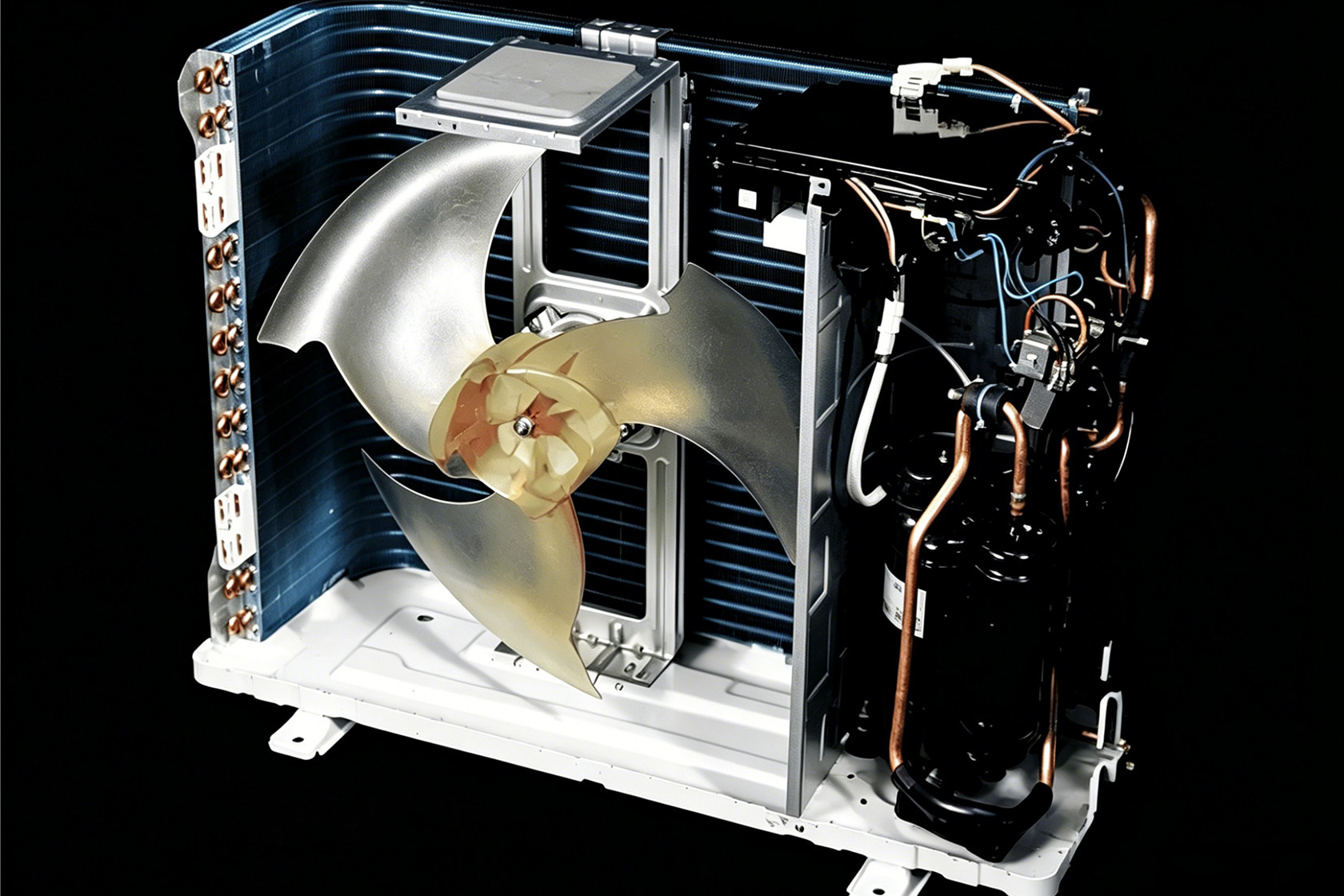
2. The "Terminator" of Heat Wave - Condenser
The outdoor unit is densely packed with metal fin arrays, which serve as the condenser responsible for heat dissipation. Here, the high-temperature and high-pressure refrigerant gas undergoes critical transformations: 1. Heat dissipation and cooling: Through heat exchange with the outdoor air, the 80°C high-temperature gas is gradually cooled. 2. Phase change: It experiences a physical transformation from "gas → gas-liquid mixture → pure liquid." 3. Pressure maintenance: Under 2.0-2.5MPa high pressure, it ultimately outputs a medium-temperature liquid at about 45°C. Technical points: Condensation temperature control. The ideal condensation temperature should be 10-15°C higher than the ambient temperature. When the outdoor unit accumulates dust or has poor heat dissipation, the air conditioners efficiency decreases by 3% for every 1°C increase in condensation temperature! This is why regular cleaning of the outdoor unit is crucial.
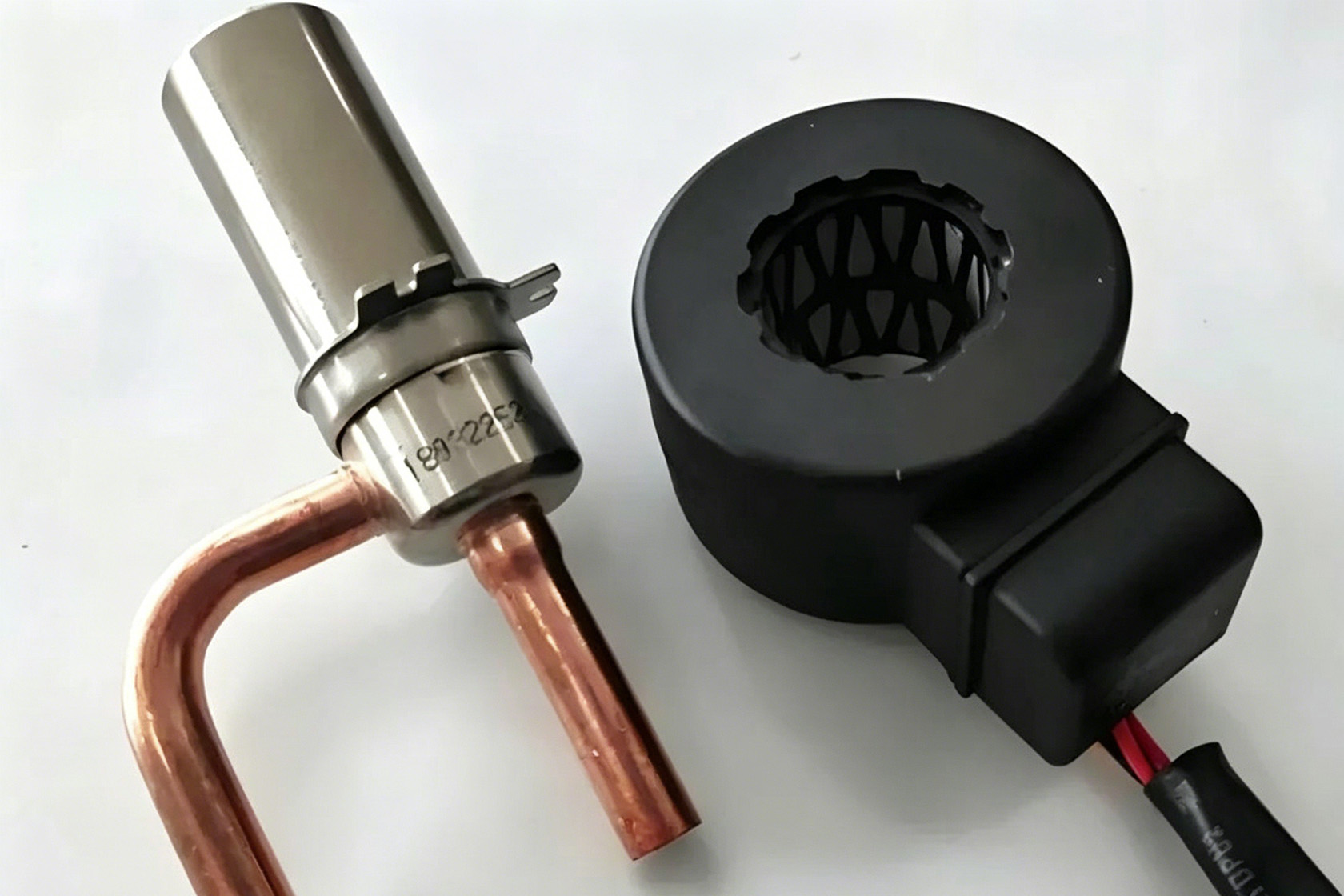
3. Pressure "Regulator" - Expansive Valve
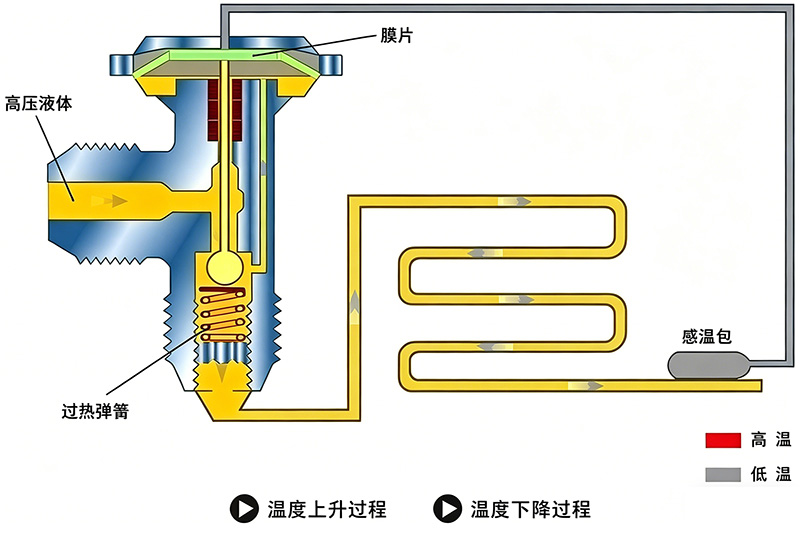
This often overlooked precision component actually controls the "lifeline" of the refrigeration system. The expansion valve passes through a throttle hole with a diameter of only 0.8-2mm, instantly reducing the high-pressure liquid to 0.3-0.5MPa, achieving: • Pressure drop: Like opening a dam to release water, creating a pressure difference to drive the cycle • Temperature change: The liquid temperature drops sharply from 45°C to below 5°C • Flow regulation: The intelligent control system automatically adjusts the opening based on the load. Core parameter: Subcooling management. A high-quality expansion valve can ensure a subcooling degree of 3-5°C (the value of the liquid temperature below the saturation temperature). Insufficient subcooling can lead to premature vaporization of the refrigerant, directly affecting cooling efficiency. This is also one of the key technologies that make variable frequency air conditioners more energy-efficient than fixed frequency ones.
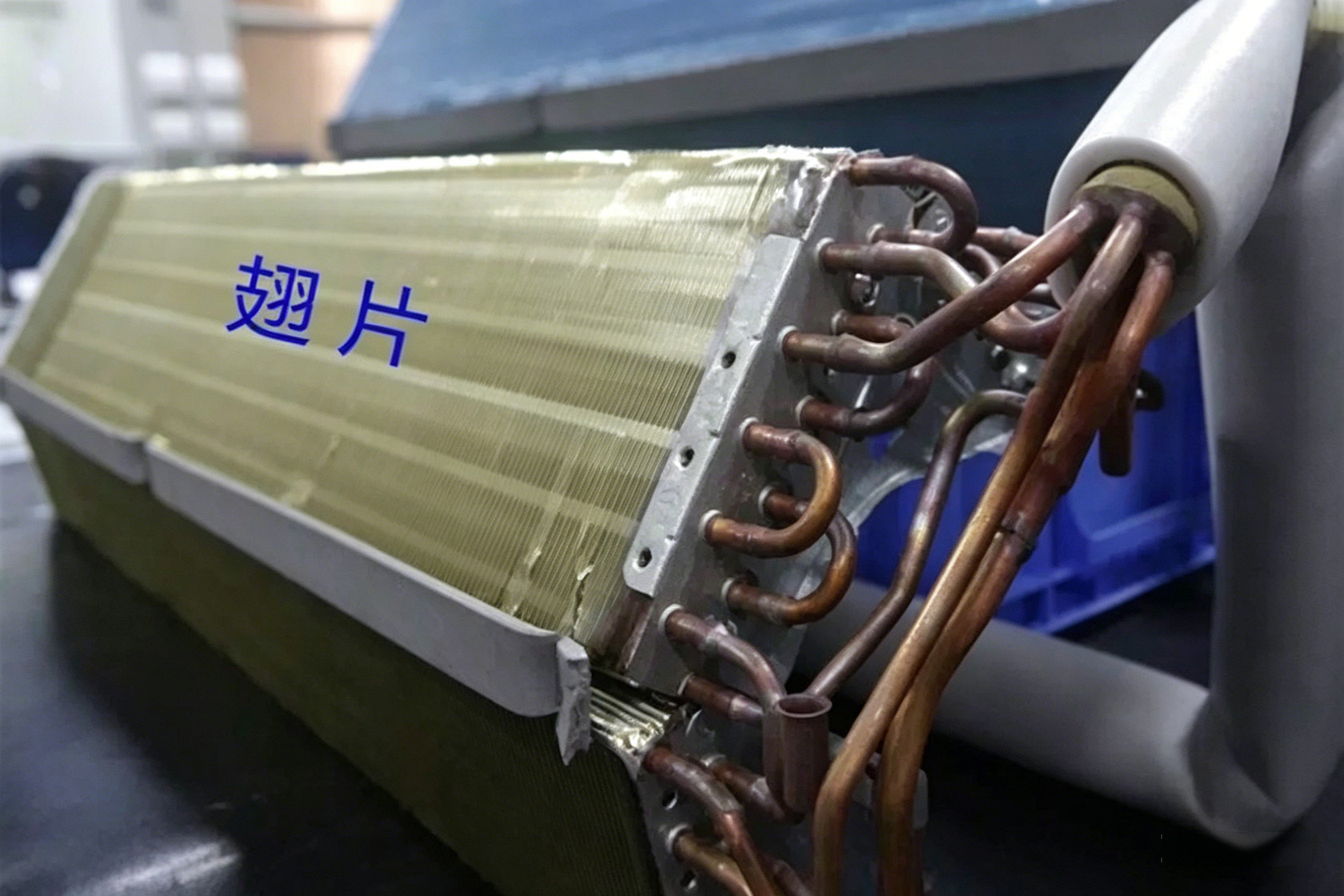
4. The Air-Cooling "Factory" — Evaporator
The intricate network of copper tubes and aluminum fins within the indoor unit is where air conditioning begins. Here, the low-temperature, low-pressure liquid refrigerant undergoes a remarkable transformation: ① Heat absorption and vaporization: It absorbs heat from the air, gradually turning into vapor. ② Temperature plunge: The tube walls can drop to 0°C, with water droplets condensing on the surface. ③ Air processing: A fan drives air circulation, achieving both cooling and dehumidification. Key technology: Evaporation temperature control The evaporation temperature is typically set at 5-7°C, maintaining an 8-10°C difference from the target indoor temperature. When frost forms on the evaporator, its actually a system alert: either the refrigerant is low, or the filter needs cleaning!