Inquiry
Form loading...
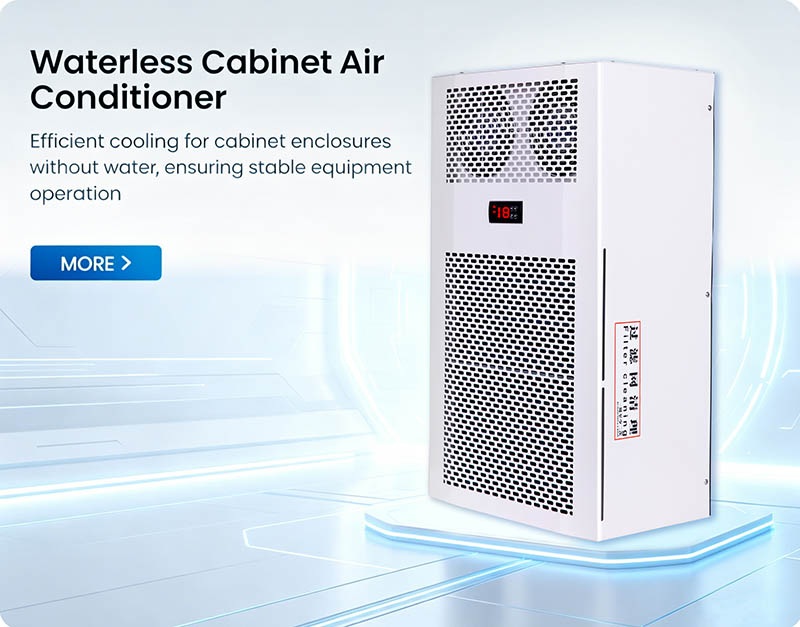
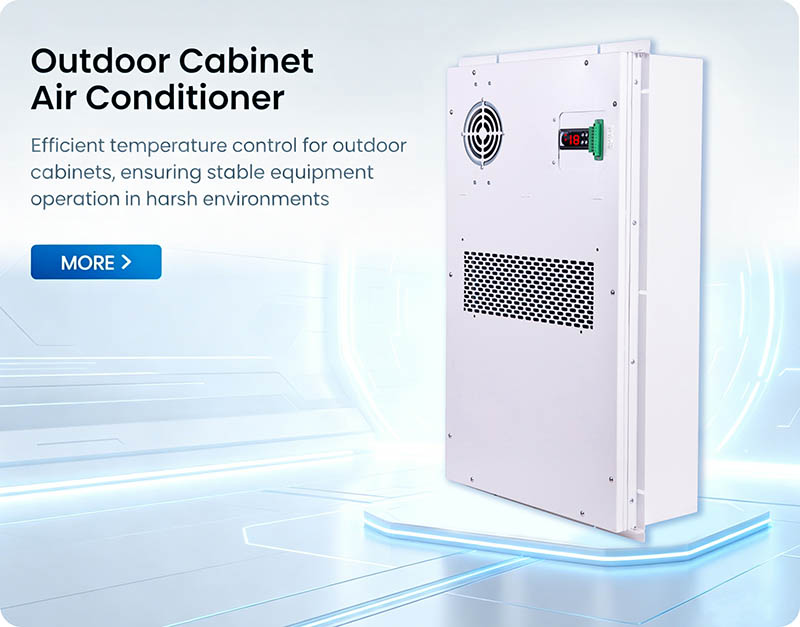
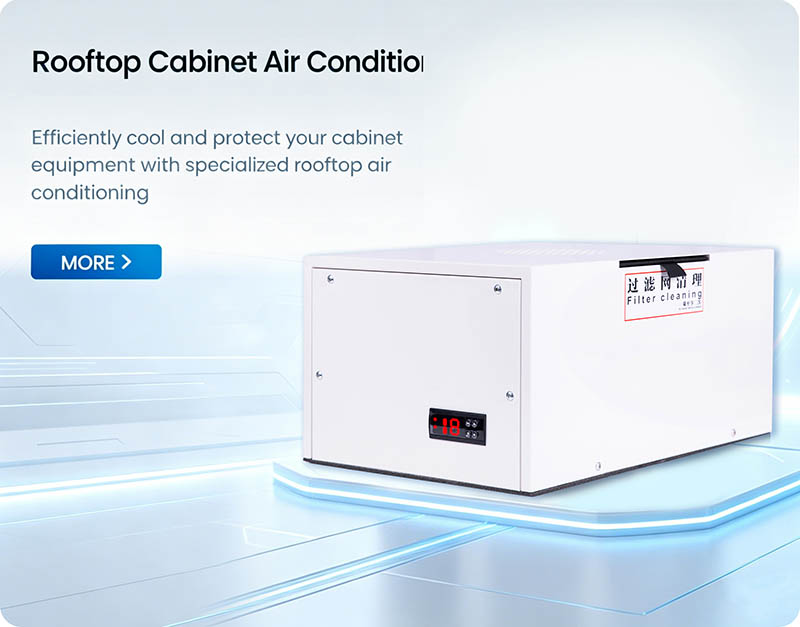
In the rapidly evolving landscape of industrial automation, smart manufacturing, and IoT integration, the development of new hardware demands more than just advanced internal circuitry. It requires robust, precise, and highly adaptable protective enclosures. A custom-engineered sheet metal box for R&D projects serves as the physical backbone for experimental hardware, sensory arrays, high-power controllers, and computing units. In research and development environments, these enclosures are not merely passive boxes; they are active components that ensure electromagnetic shielding, environmental sealing, and structural durability during critical testing phases.
Did you know? Over 70% of hardware R&D project delays are caused by thermal failure or physical integration issues during the prototyping stage. Using optimized, high-quality sheet metal enclosures with integrated thermal controls drastically reduces development cycles and protects expensive development components.
Today's industrial market is witnessing an unprecedented push toward automation and smart systems. From automotive testing rigs to aerospace control hubs, the demand for custom sheet metal boxes has skyrocketed. Historically, R&D teams relied on off-the-shelf plastic or standardized metal boxes, which frequently led to compromises in component layout, thermal management, and durability. Today, the industrial landscape demands specialized sheet metal fabrication capable of rapid iteration, tight tolerance control, and seamless integration of modular components.
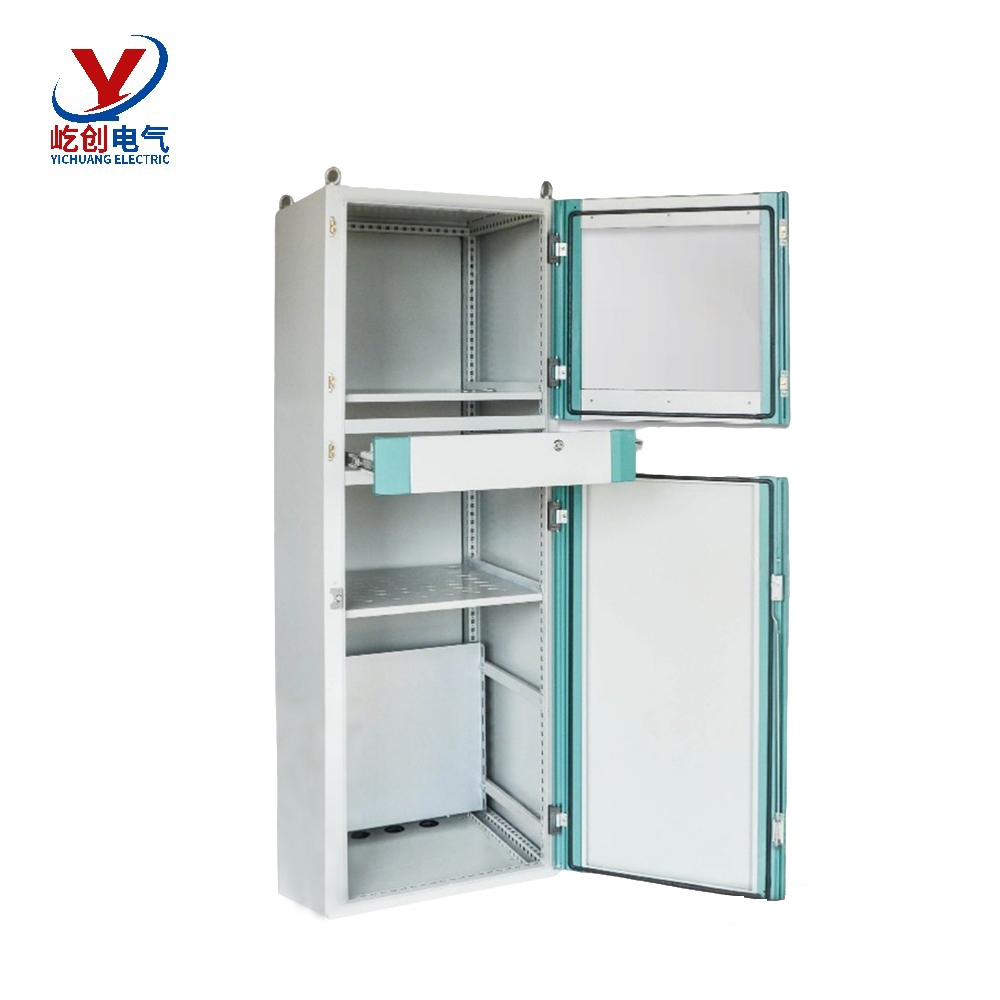
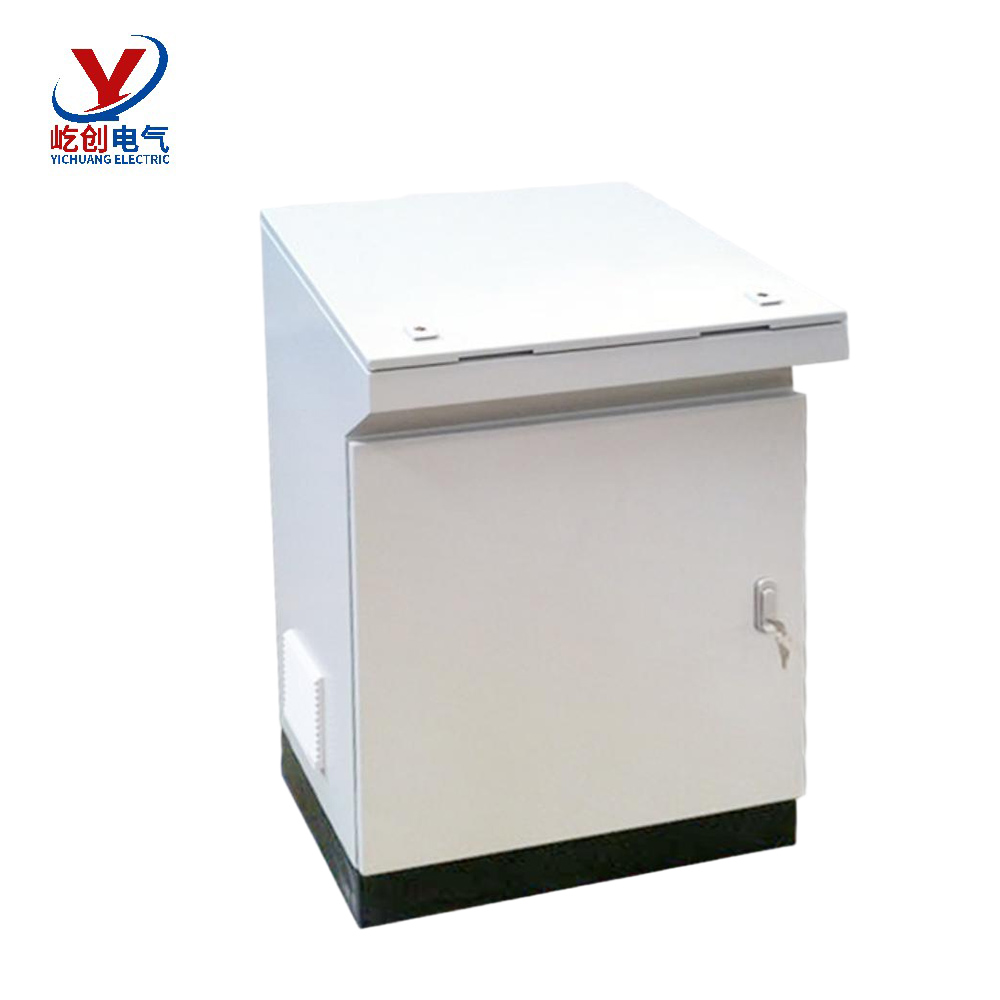
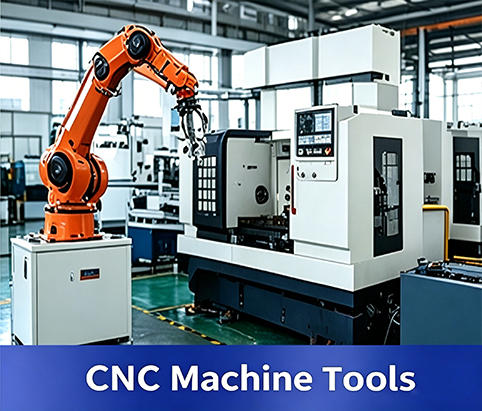
Modern R&D projects require sheet metal boxes that can withstand rigorous stress testing, extreme temperatures, and chemical exposure. Whether it is a Rittal-style modular console or a compact swing-arm cantilever control box, the flexibility of sheet metal allows engineers to modify designs on the fly. Laser cutting, CNC bending, and rapid robotic welding technologies enable manufacturers to supply custom-tailored prototypes within days, bridging the gap between digital CAD concepts and physical, functional testing units.
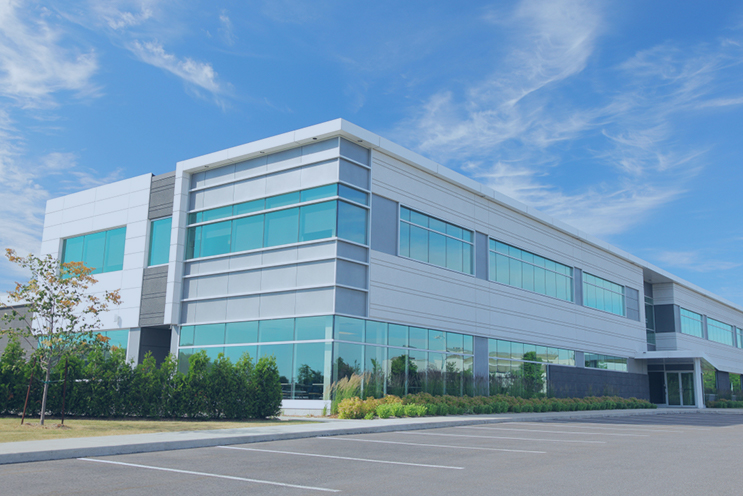

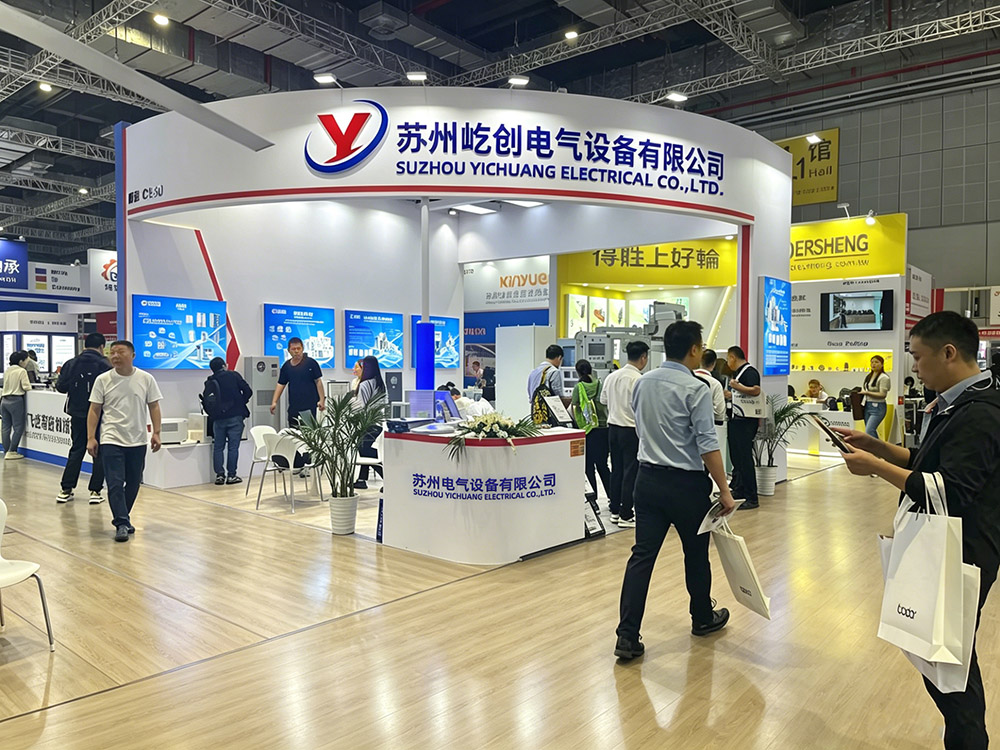
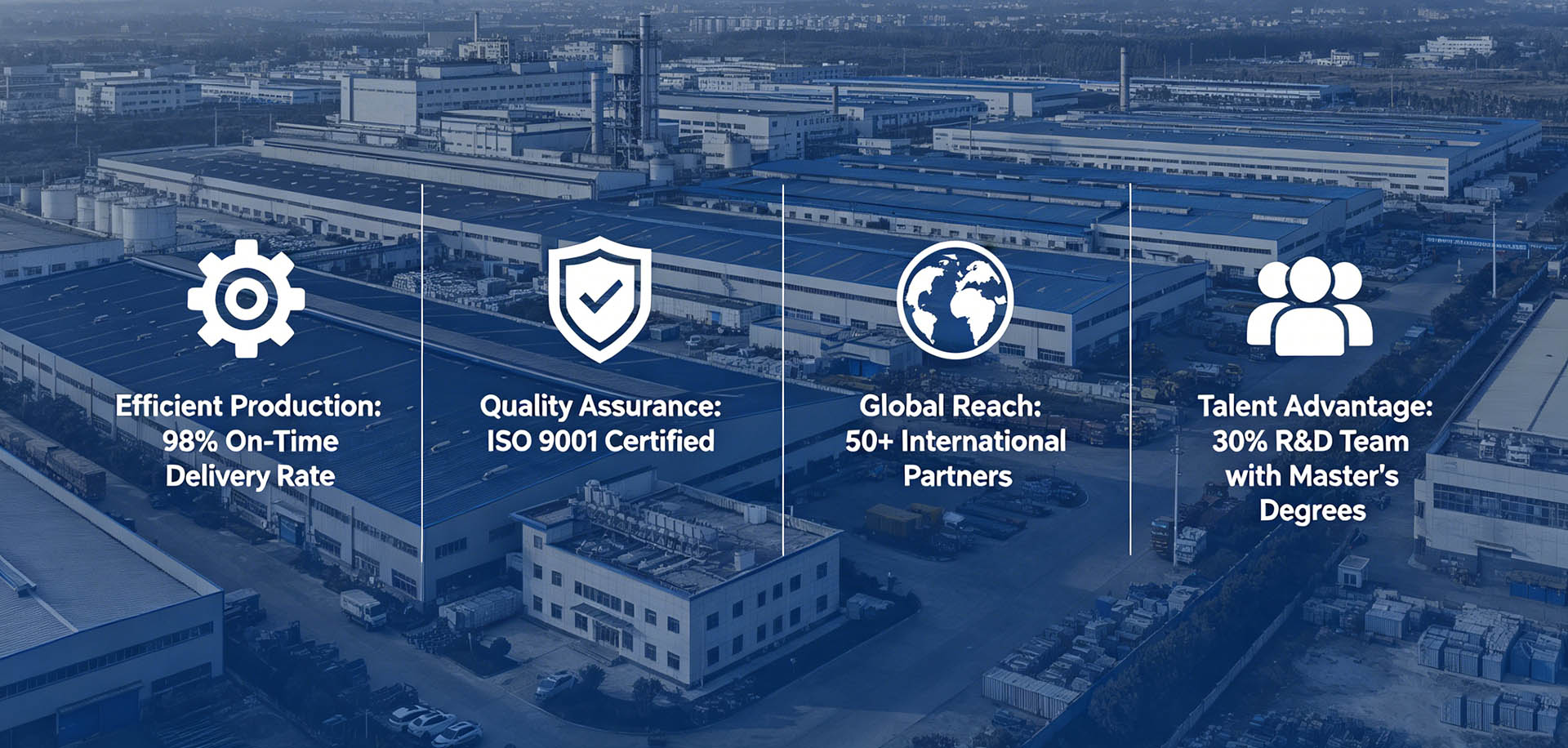
Suzhou Yichuang Electrical Equipment Co., Ltd. is a professional manufacturing enterprise integrating research and development, production and sales, which is committed to providing high-quality, customized and reliable sheet metal cabinets and related supporting products for various industrial fields.
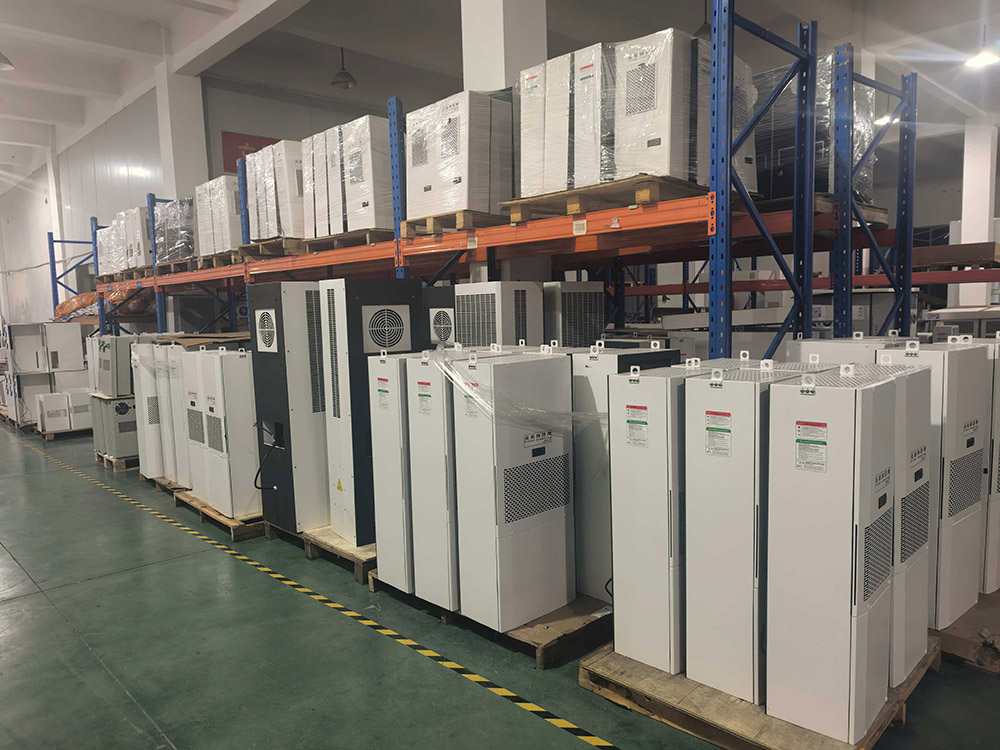
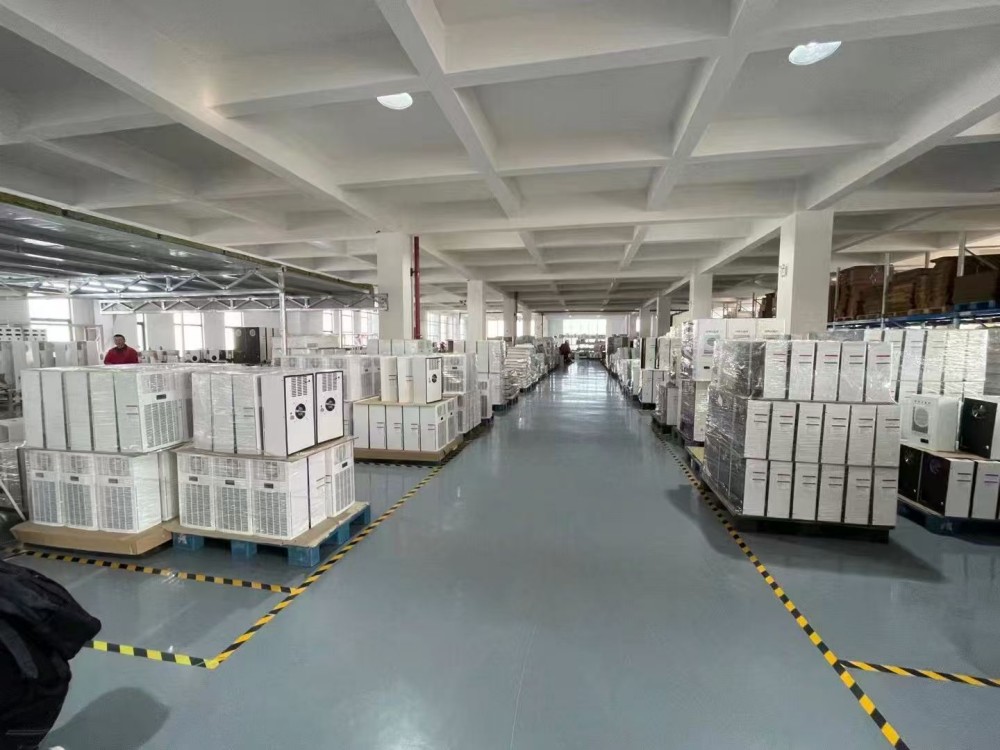
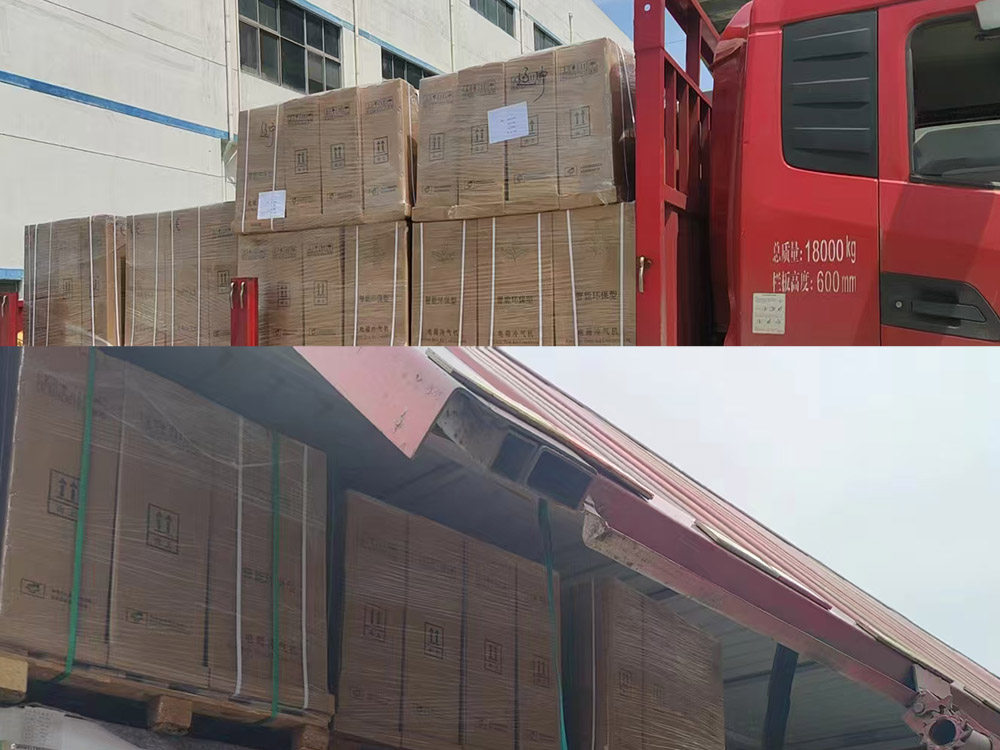
Our state-of-the-art facility utilizes advanced production machinery, ensuring precision in every cut, bend, and weld. By maintaining strict quality control and prioritizing customer-centric designs, we serve global markets with enclosures that meet international safety and performance standards.
Research and development is a broad spectrum, and the requirements for a sheet metal box vary drastically depending on the specific application scenario. Below, we explore the primary areas where custom enclosures play an indispensable role:
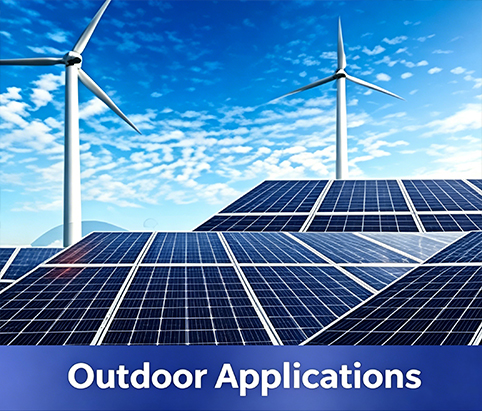
In the field of renewable energy, R&D teams are constantly designing new power inverters, battery management systems (BMS), and EV charging station components. These setups generate significant heat and are often subject to high voltages. A custom-designed sheet metal enclosure provides the physical separation needed for safety, coupled with precise ventilation holes or integrated cabinet air conditioners to prevent thermal runaway. The use of heavy-duty materials like stainless steel ensures that prototype testing can safely occur in outdoor, real-world environments.
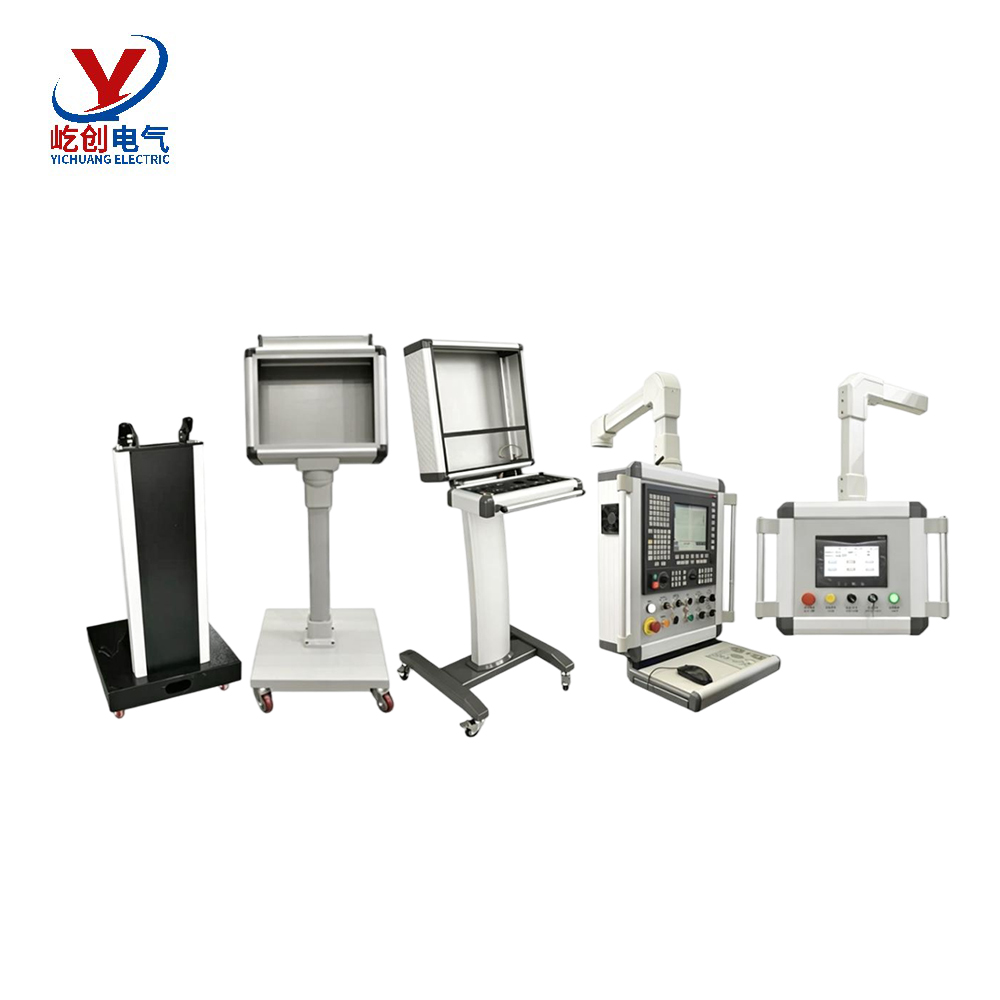
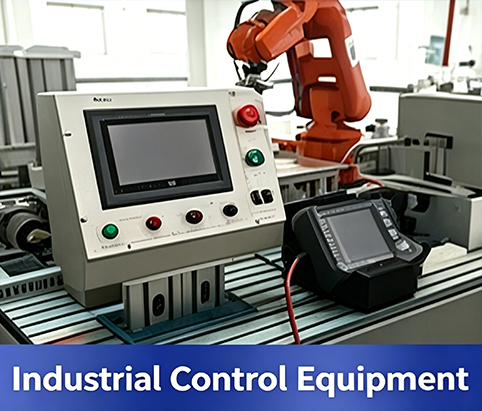
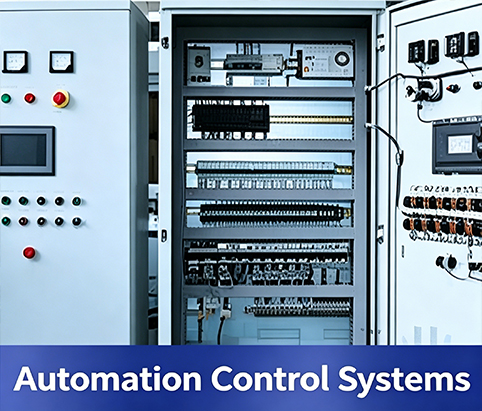
Automation R&D involves complex PLC networks, motor drives, and sensor interfaces. The cantilever control box systems and Rittal-style consoles allow engineers to position touchscreens and control panels at ergonomic heights and angles. The metal chassis dampens mechanical vibrations, shielding delicate controller boards from electromagnetic interference (EMI) generated by nearby high-power motors.
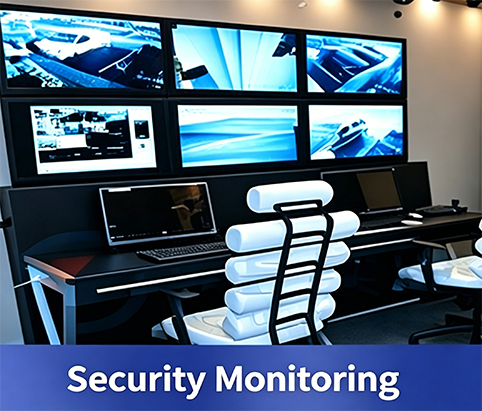
Developing AI at the edge requires housing high-performance GPUs and CPU clusters. These systems require maximum airflow and electromagnetic shielding. Sheet metal boxes designed for edge R&D are often engineered with specific fan patterns, dust filters, and internal partitions that optimize the path of cold air, ensuring that the hardware runs at peak performance during long, continuous testing cycles.
Our specialized enclosure systems are engineered for diverse, demanding R&D testing environments.

When selecting or designing a sheet metal box for R&D projects, engineering teams must evaluate several critical technical parameters to ensure long-term functionality and safety:
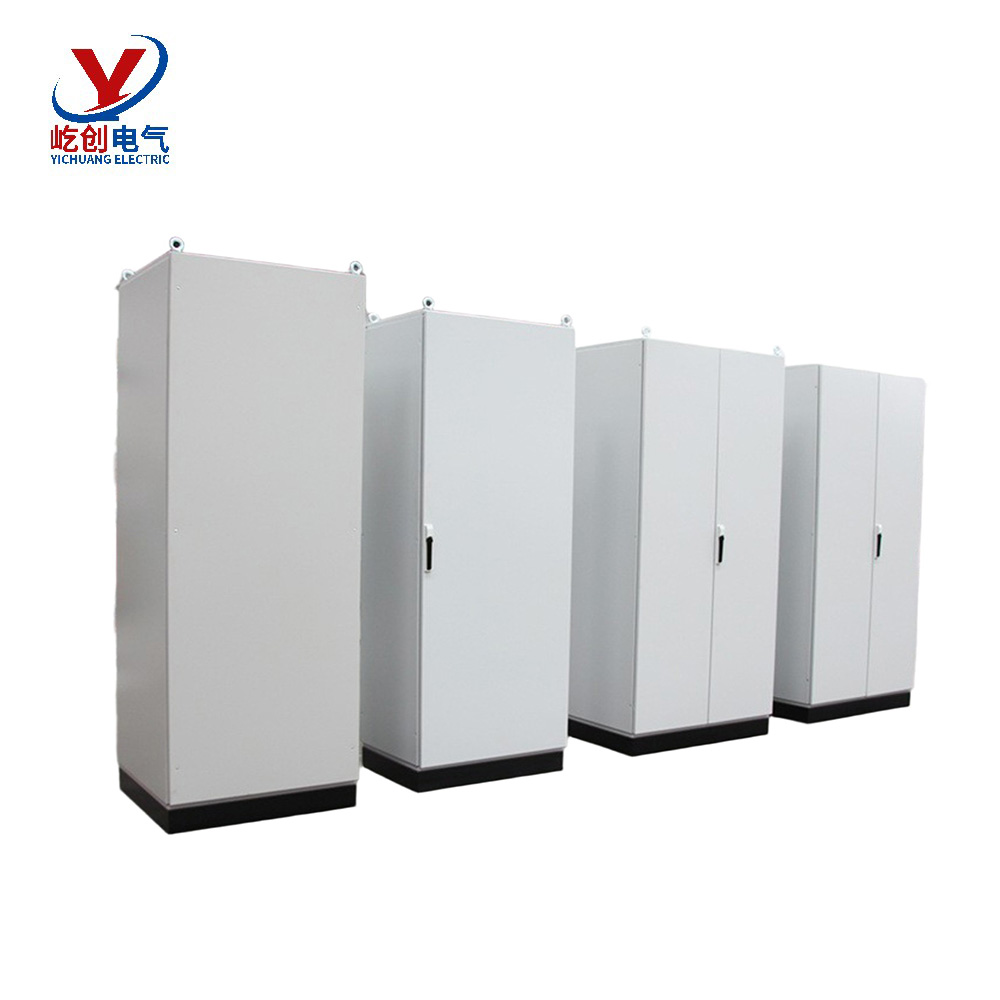
The choice of material dictates the weight, strength, corrosion resistance, and electromagnetic properties of the box. Aluminum is highly favored for its lightweight characteristics and natural resistance to corrosion, making it excellent for mobile R&D equipment or swing-arm systems. Carbon steel provides outstanding physical strength and cost-efficiency, especially for large, floor-standing combined cabinets. Stainless steel (such as Grade 304 or 316) is the gold standard for harsh environments, offering superior protection against chemical agents, salt spray, and moisture.
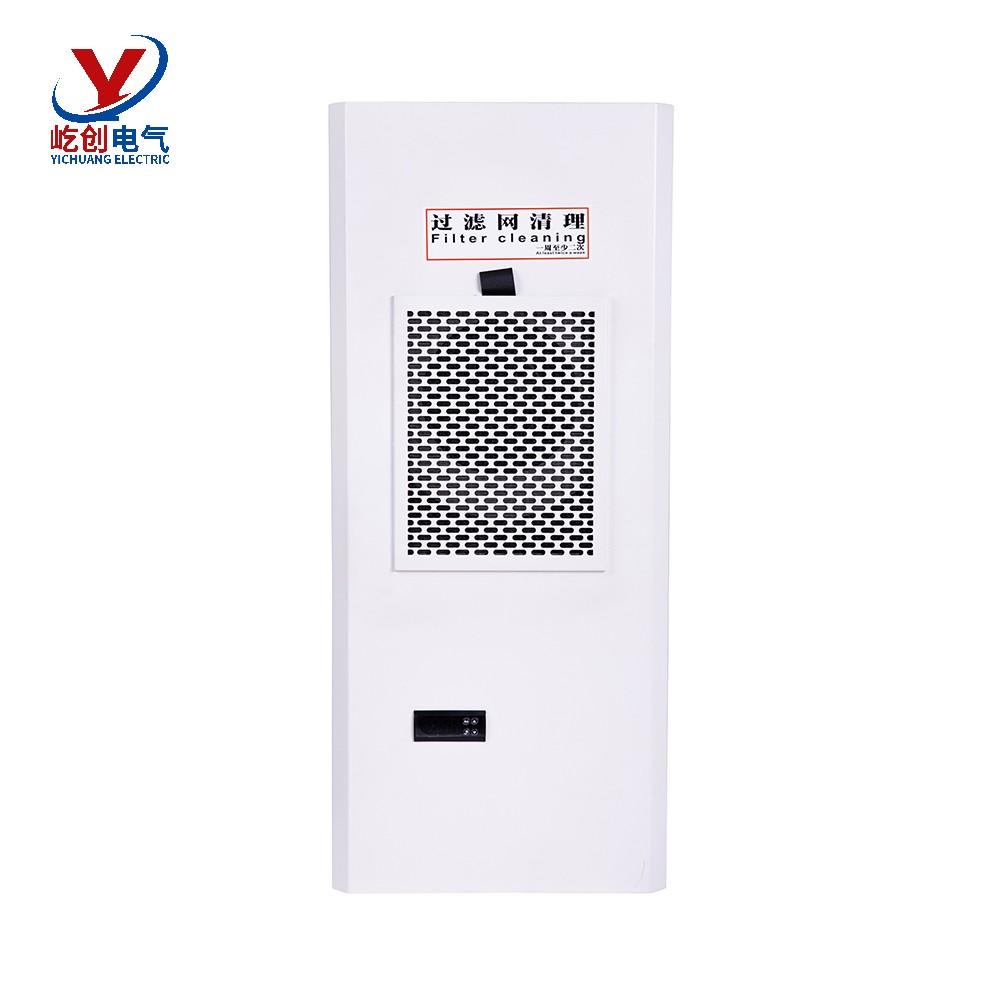
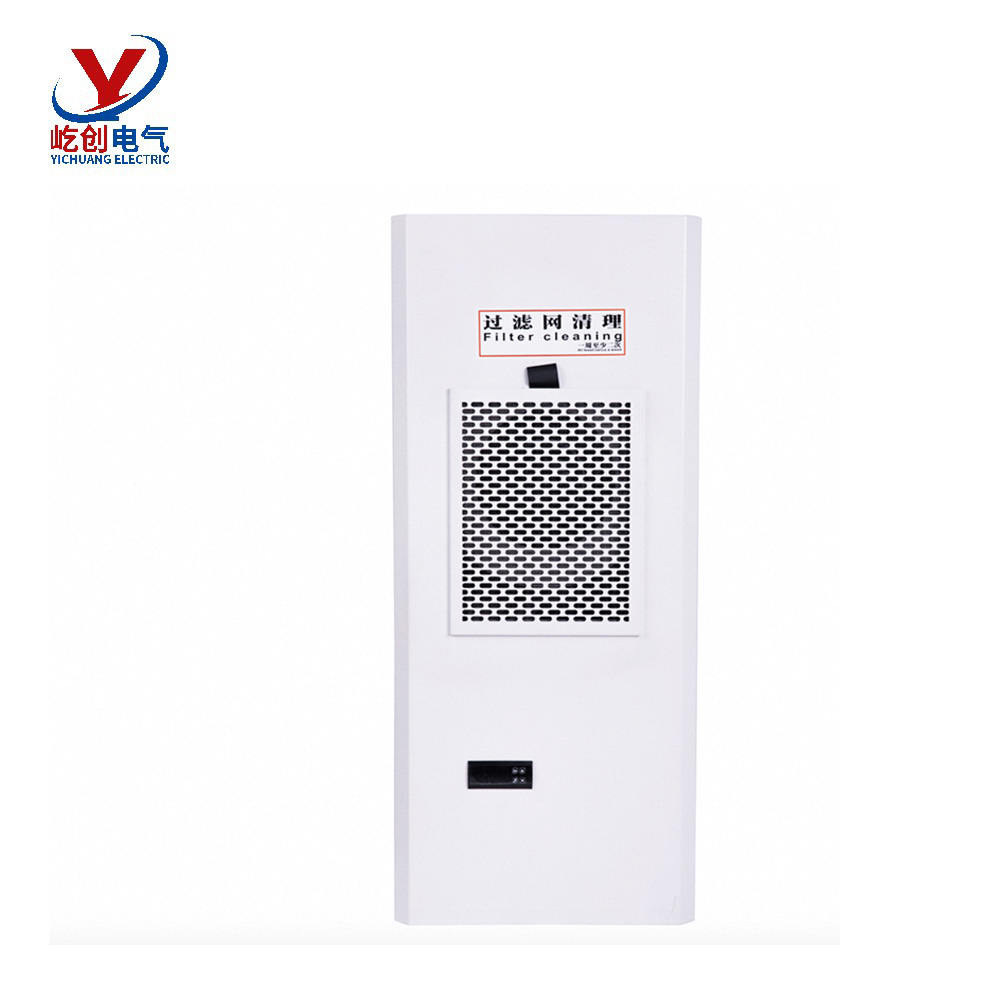
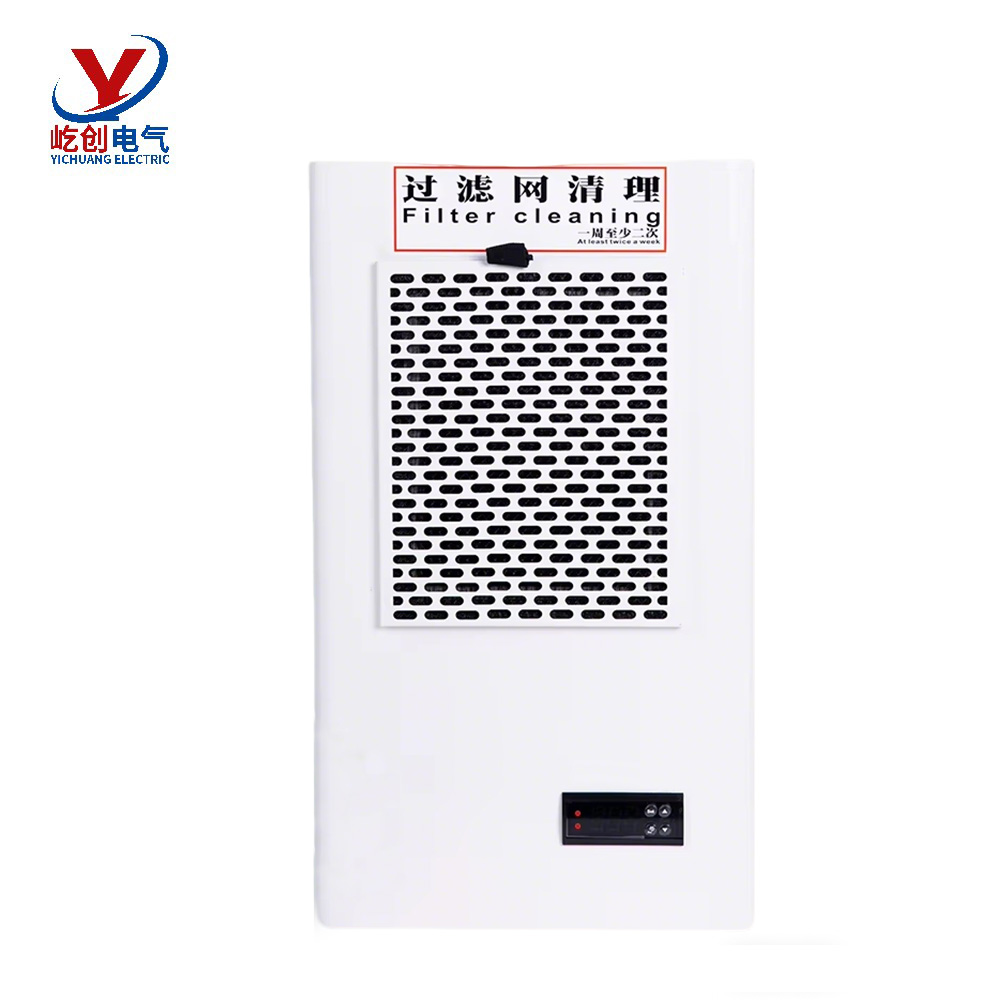
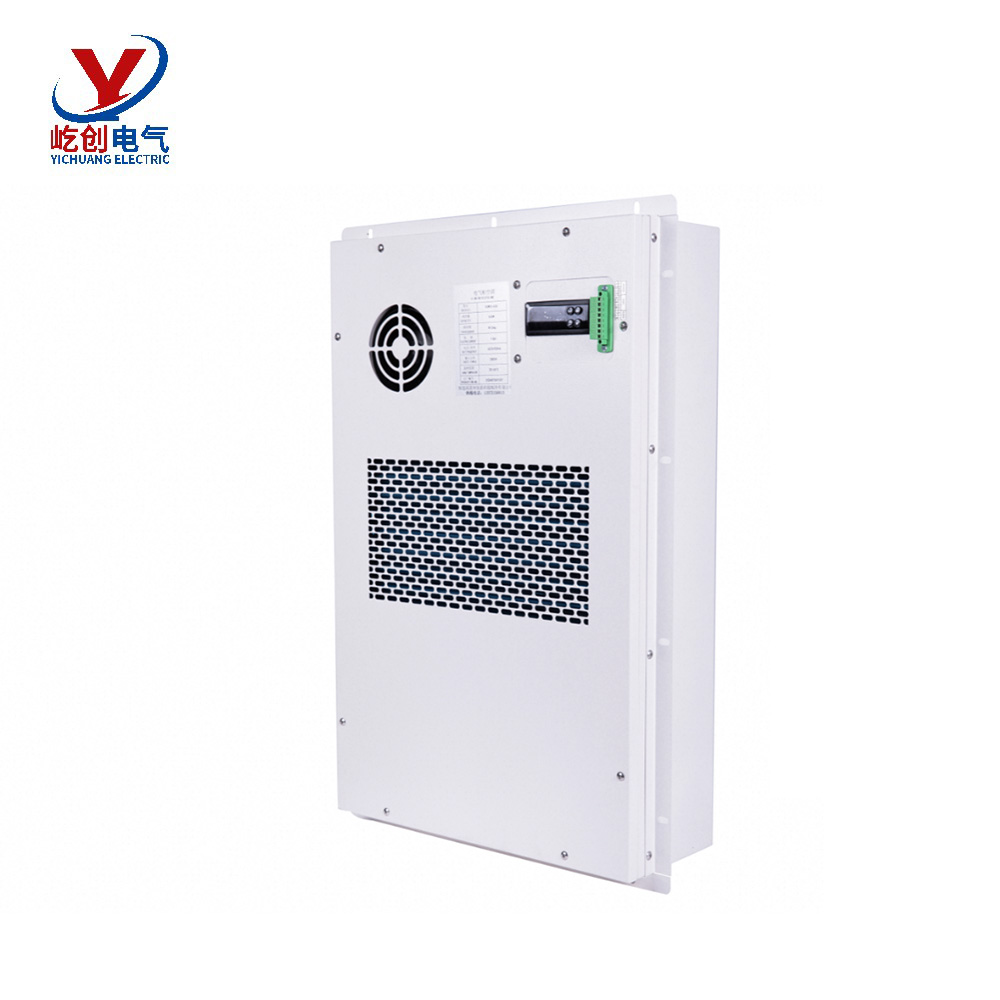
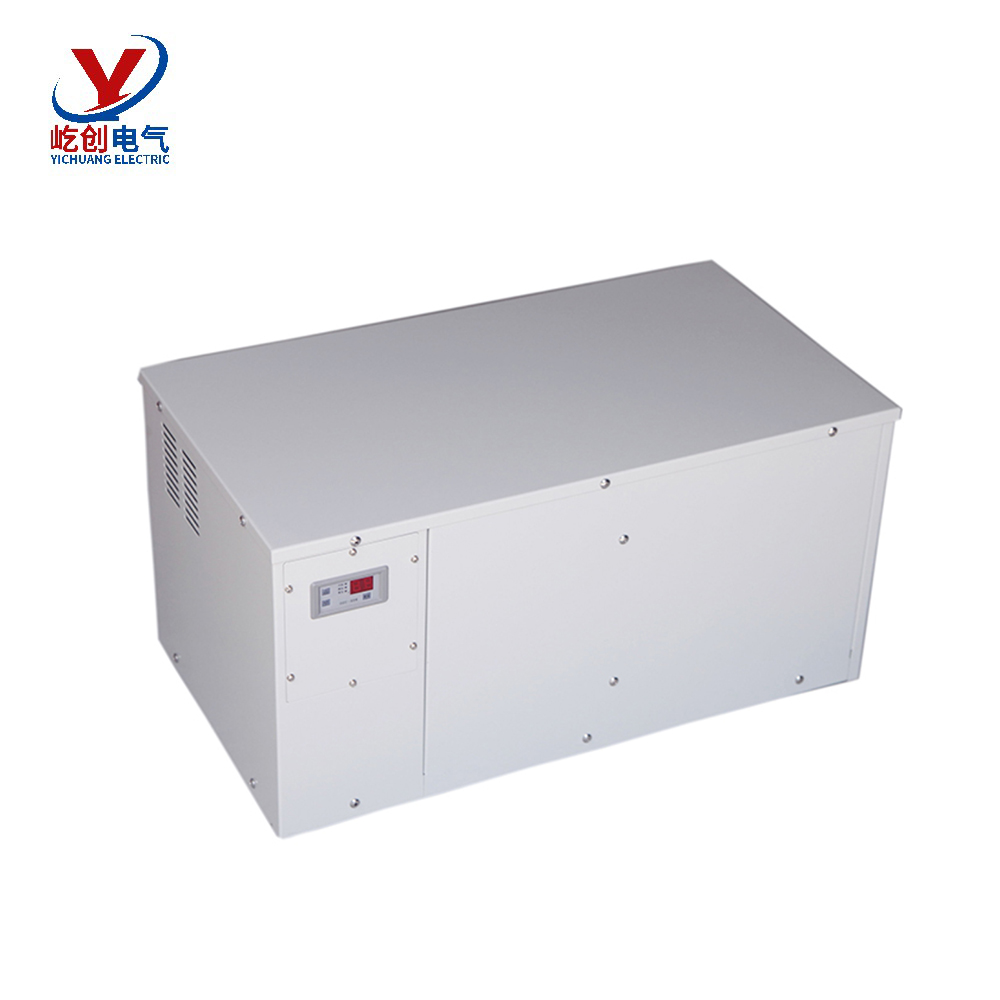
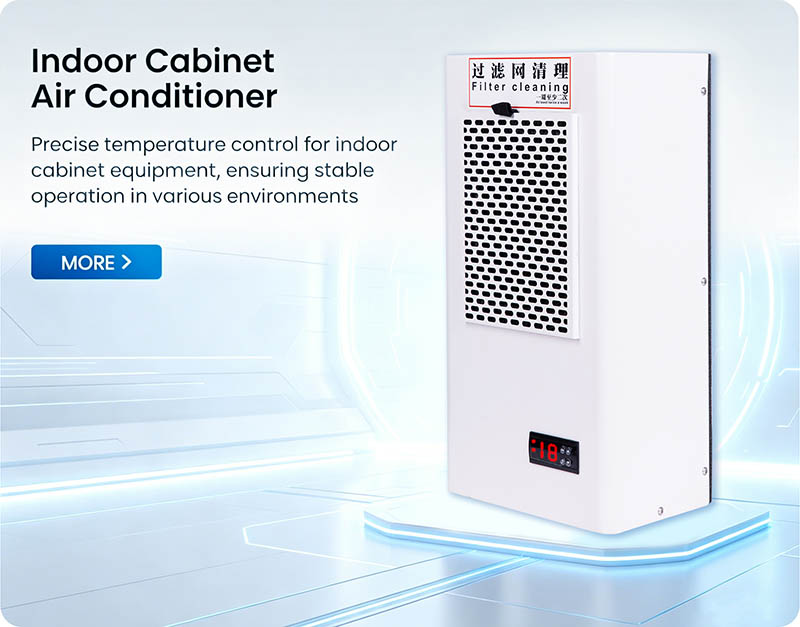
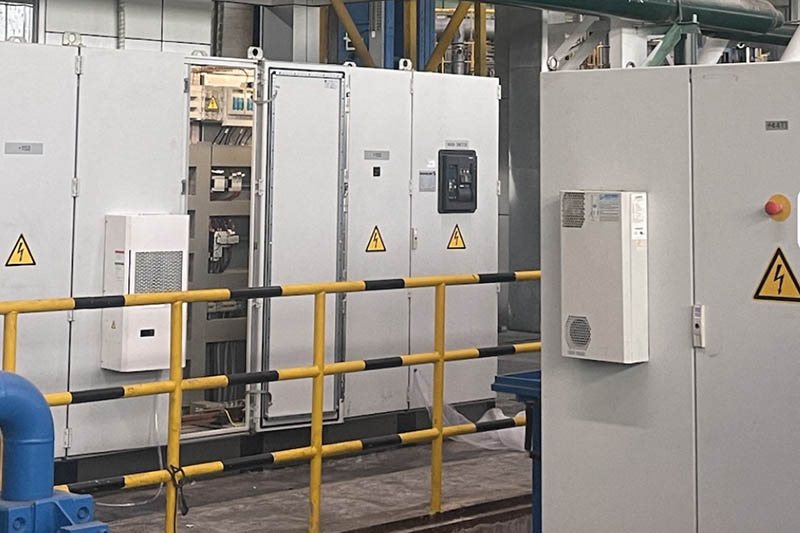
In modern industrial applications, electronic components are becoming denser and hotter. Standard passive venting is often insufficient. High-power R&D setups require active cooling. Suzhou Yichuang specializes in integrating dedicated side-mounted or top-mounted cabinet air conditioners (ranging from 300W to 1500W). These cooling units maintain a stable internal temperature, preventing component degradation and ensuring that prototype testing results are not skewed by thermal fluctuations.
R&D projects often move from clean laboratory environments to dusty factory floors or outdoor testing grounds. Selecting an enclosure with the appropriate IP rating is crucial. Sealed designs with high-quality polyurethane foam-in-place gaskets prevent dust, oil, and moisture from compromising sensitive microprocessors and electrical terminals.
As industry standards shift toward digitalization and sustainability, the design and manufacturing of sheet metal boxes are undergoing a parallel transformation. The integration of smart sensors directly into the enclosure body is a growing trend. These sensors monitor internal humidity, temperature, and door-open cycles, feeding data back to a central monitoring system. This allows R&D engineers to receive early warnings of potential environmental failures inside the enclosure.
Additionally, modularity is key. Future-proof R&D projects rely on modular combined cabinets that can easily expand. If a project requires more control panels, the side panels of the cabinet can be removed to link an additional cabinet, saving time and resource costs. Rapid manufacturing processes, guided by AI-driven CNC programming, ensure that even highly complex, low-volume custom enclosures can be produced with minimal lead times.
 Company News
 Company News
 Company News
The company’s main products cover a wide range of industrial sheet metal cabinets and enclosures, including various standard control cabinets, Rittal-like enclosures, operation consoles, cantilevers, industrial air conditioners, stainless steel cabinets, PLC cabinets, MCC cabinets, power distribution cabinets, outdoor enclosures, industrial control cabinets, computer cabinets, network cabinets and other related products.